JHDD Web Design Report — 2026.07.01
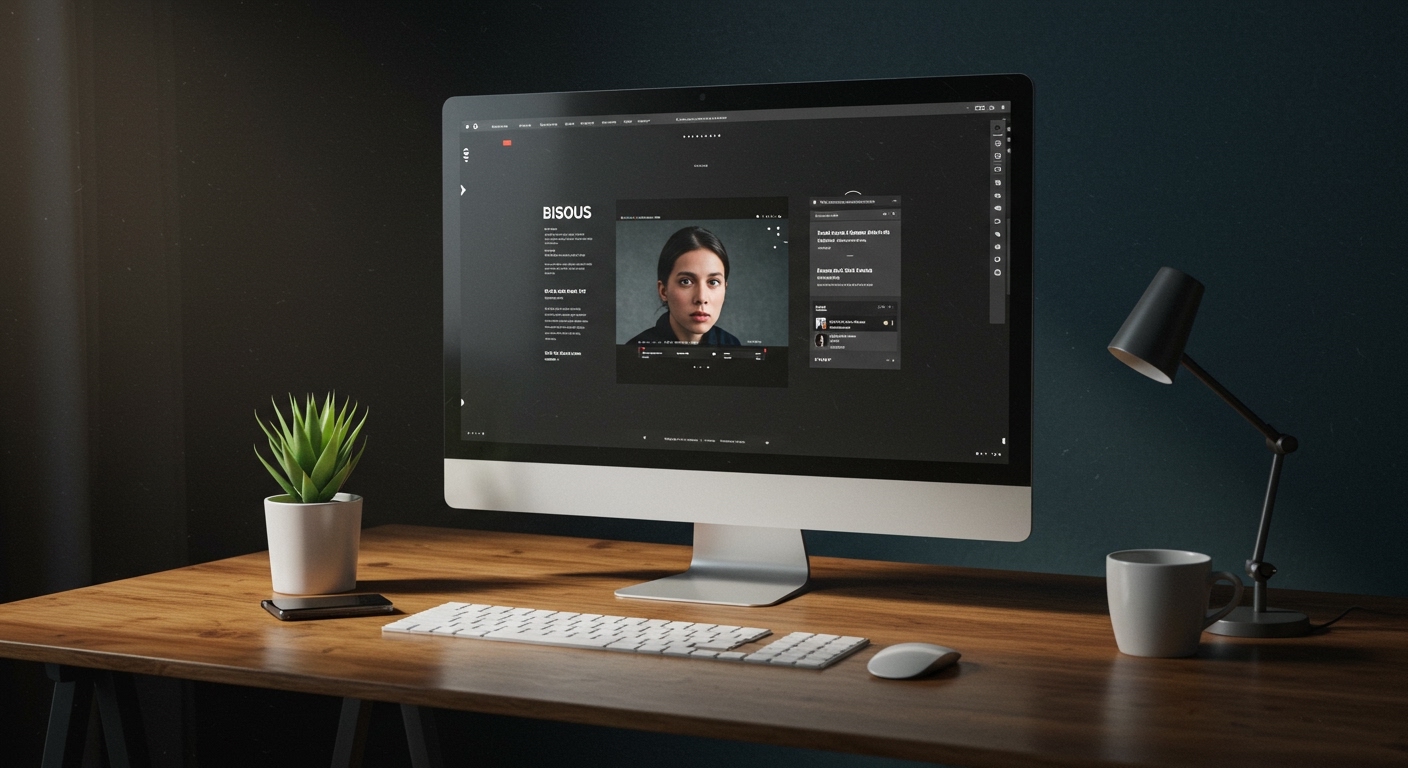
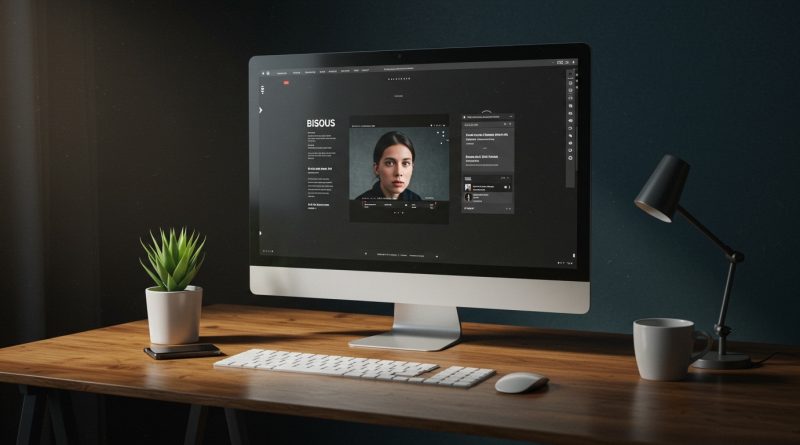
Bisous achieved its cinematic CGI editorial experience by explicitly integrating purposeful motion and minimalist design.
This design philosophy resonates with a broader, less discussed pattern across modern front-end development: the increasing capability of browser-native features and advanced CSS to deliver experiences once exclusively reserved for complex JavaScript frameworks. From CSS Gap Decorations offering new layout control to WebGPU enabling persistent, GPU-powered page transitions with vanilla JavaScript, the platform itself is maturing to support sophisticated design intent directly, often with improved performance. This shift allows developers to craft richer interactive and visual experiences closer to the metal, potentially streamlining the front-end stack.
The mainstream industry often posits that groundbreaking visual and interactive web experiences inherently demand extensive client-side JavaScript frameworks. This perspective frequently undervalues the evolving power of the web platform itself. For instance, the “Building Persistent Page Transitions with WebGPU and Vanilla JavaScript” tutorial demonstrates that seamless, high-performance motion, traditionally a heavy lift for many frameworks, can be implemented with direct browser APIs and minimal JavaScript. This contradicts the conventional wisdom that abstracting away browser specifics via large frameworks is always the most efficient path for advanced front-end craft. Instead, a deep understanding of native capabilities and emergent standards offers a distinct advantage.
Consider Shopify’s Spring ’26 Edition: Everywhere, which deployed custom tooling and sophisticated rendering architecture to achieve its performance goals. While large-scale applications often require bespoke solutions, the underlying trend is toward extracting maximum value from browser primitives. This strategic approach, seen in both a refined editorial site like Bisous and a large e-commerce platform like Shopify, suggests that within two years, by late 2028, the default architectural choice for highly custom, performant motion, and complex layout orchestration will increasingly lean on direct browser APIs and declarative CSS, rather than starting with a heavy client-side framework.
The primary resistance to this platform-first approach stems from the pervasive comfort and perceived efficiency of established JavaScript framework ecosystems. Many development teams are heavily invested in and trained on frameworks that abstract away browser-level details, fostering a workflow where default solutions are sought within the framework itself, even when native alternatives might offer superior performance or simpler implementation for specific features. This institutional inertia and the immediate gratification of off-the-shelf components often outweigh the long-term benefits of mastering foundational web technologies.
Web design professionals should dedicate time this month to experiment with emerging CSS features, such as Gap Decorations, and explore practical applications of WebGPU for specific motion or rendering tasks. Rather than immediately seeking a JavaScript library for every interactive challenge, attempting to build a nuanced effect or transition directly with native browser APIs and CSS will expand their craft toolkit and foster more performant front-end solutions.
TL;DR
Sophisticated web design increasingly leverages direct browser capabilities and advanced CSS, moving beyond framework-first defaults.
Curated References
About this editorial — This piece was developed using AI-assisted research and curation across multiple industry sources. All analysis, opinions, and predictions represent the editorial perspective of JHDD. Sources are linked in the references section above.