
JHDD UI UX Report — 2026.07.01

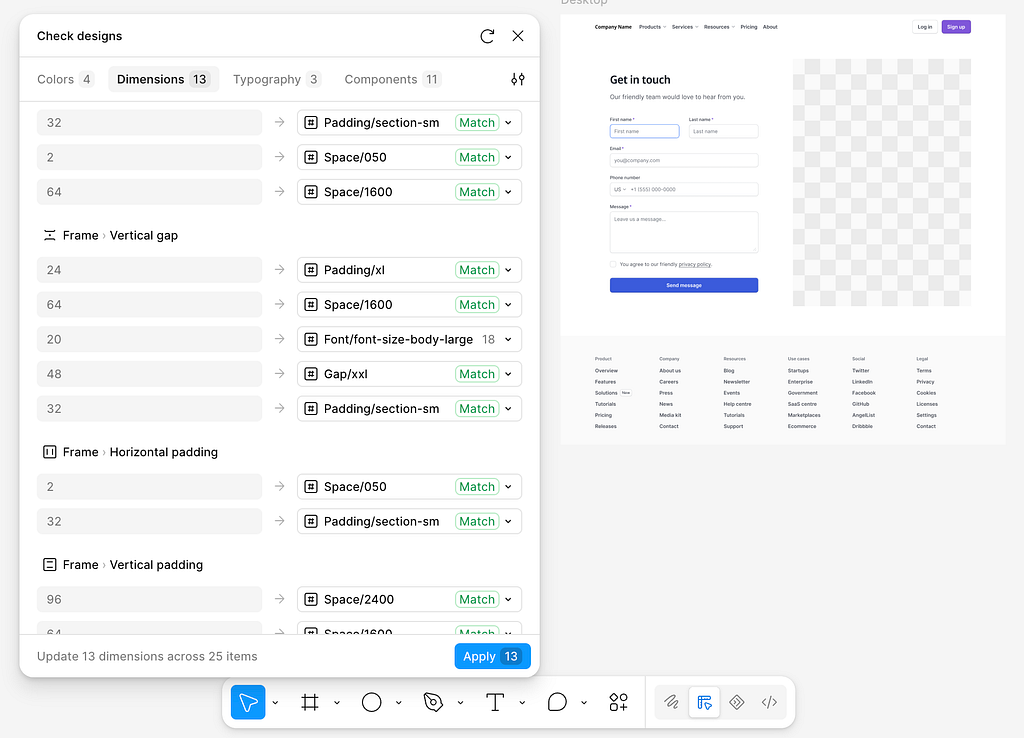
Figma’s Check designs, debuted at Config 2026, now visibly quantifies design system debt, exposing component drift and token inconsistencies across product files.
The conversations around “good enough” design, the impact of AI, and the newly public visibility of design system debt point to a unifying shift in professional value. The locus of design expertise is moving from the direct crafting of individual pixels and static interfaces to the strategic definition and governance of the underlying decision-making systems. This includes both the prescriptive logic and architectural integrity of design systems and the emergent behaviors and constraints of AI agents shaping user experiences.

The introduction of Figma’s Check designs at Config 2026 provides a critical case study in this evolution. Its staged demo file, showcasing seeded violations and proposing one-click fixes, illustrates how design system health is now a quantifiable metric, no longer easily dismissed or deprioritized. A common industry perspective suggests that such tools simply automate mundane tasks, thereby freeing designers for more “higher-level” creative work. This view, however, misses a crucial point: by making debt visible and immediately remediable, these tools fundamentally change the definition of “good enough” design. They do not merely lower the bar for execution; they elevate the strategic importance of design system governance. Designers must now contend with the rigorous discipline required for consistency and the constraints of a robust system, focusing their expertise on defining the deciding logic within the system rather than just refining the visual output. The true creative challenge shifts to establishing the rules, criteria, and boundaries that an agent, or a component, is allowed to decide and enforce. By mid-2027, it is anticipated that larger organizations will establish dedicated “System Stewardship” roles. These professionals will be specifically tasked with leveraging quantification tools like Check designs, not just for remediation, but for proactive system health forecasting and bridging design, engineering, and product strategy for sustained architectural integrity. This evolution is directly driven by the imperative to manage the newly visible and impactful design system debt across platforms.
The primary opposing force to this evolving design focus remains the ingrained organizational pattern of consistently prioritizing new feature development over foundational system maintenance. For years, as highlighted by the article on Figma’s announcement, design system work “lost the roadmap fight quietly,” often relegated to the backlog in favor of user-facing innovations. This historical tendency to view infrastructure work as secondary to direct feature delivery actively resists the necessary shift towards valuing robust, well-governed design systems as critical product assets. Product leadership, accustomed to measuring progress primarily by feature velocity and immediate user feedback, may struggle to embrace the strategic importance of internal system health and the longer-term benefits it provides in terms of scalability, efficiency, and consistent user experience.
A working UI UX professional should this week investigate a critical interaction pattern within their product, such as a core navigation element or a key data input field, and conduct a focused audit of its implementation across different product surfaces. Document specific inconsistencies, component detachments from the library, and deviations from established design system patterns, even if advanced automated tools are not yet fully integrated. Frame this audit not solely as a quest for aesthetic uniformity, but as an analysis of quantifiable user friction, accumulating technical debt, and potential erosion of brand consistency, preparing to articulate the concrete impact to product and engineering leadership.
TL;DR
Design now centers on defining strategic decision-making and governing system integrity.
Curated References




About this editorial — This piece was developed using AI-assisted research and curation across multiple industry sources. All analysis, opinions, and predictions represent the editorial perspective of JHDD. Sources are linked in the references section above.