JHDD Architecture Report — 2026.06.30
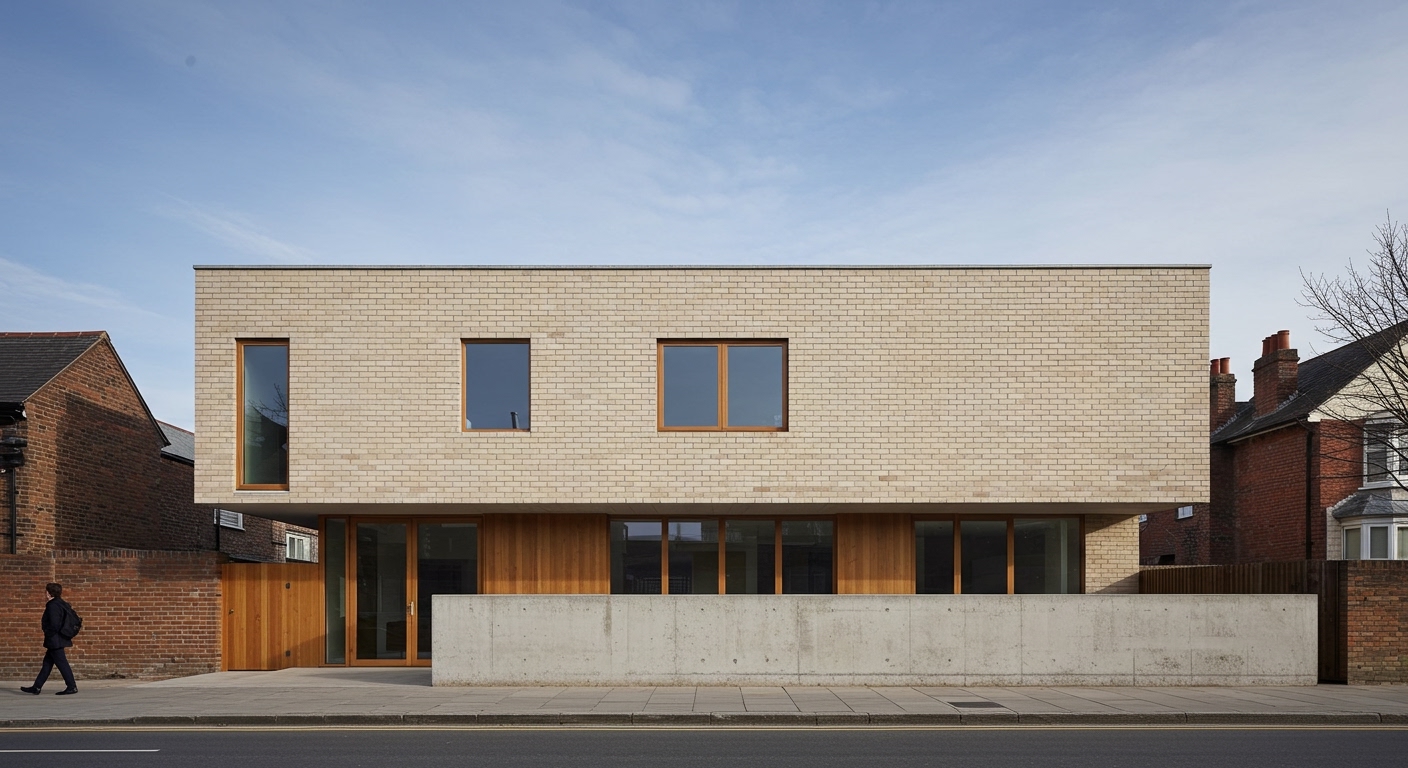
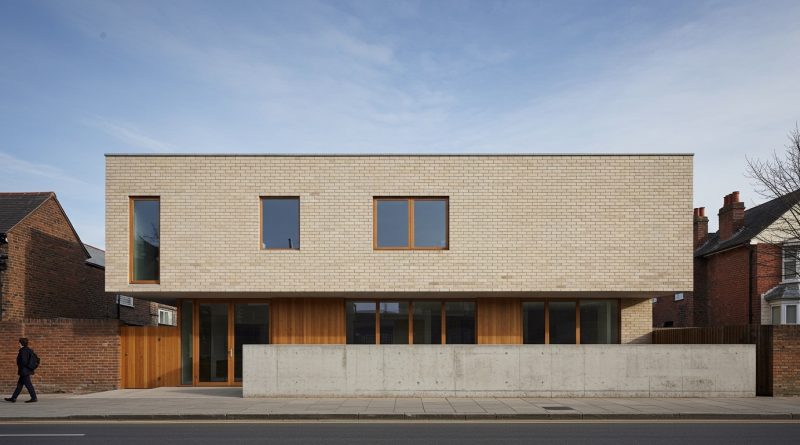
Joe Burke’s Leyton House features rough, pale brickwork and a concrete plinth for tactility.
Recent reports illustrate an emerging tension between the pursuit of hyper-local material specificity and the industrial scalability often demanded by contemporary construction and sustainability initiatives. This dynamic appears in projects ranging from bespoke residential designs, where a single architect acts as client and builder, to large-scale public infrastructure. This suggests a broader, overdue re-evaluation of how material origins and production methods integrate with urban fabric, pushing beyond mere aesthetic or functional considerations towards deeper environmental and social accountability.
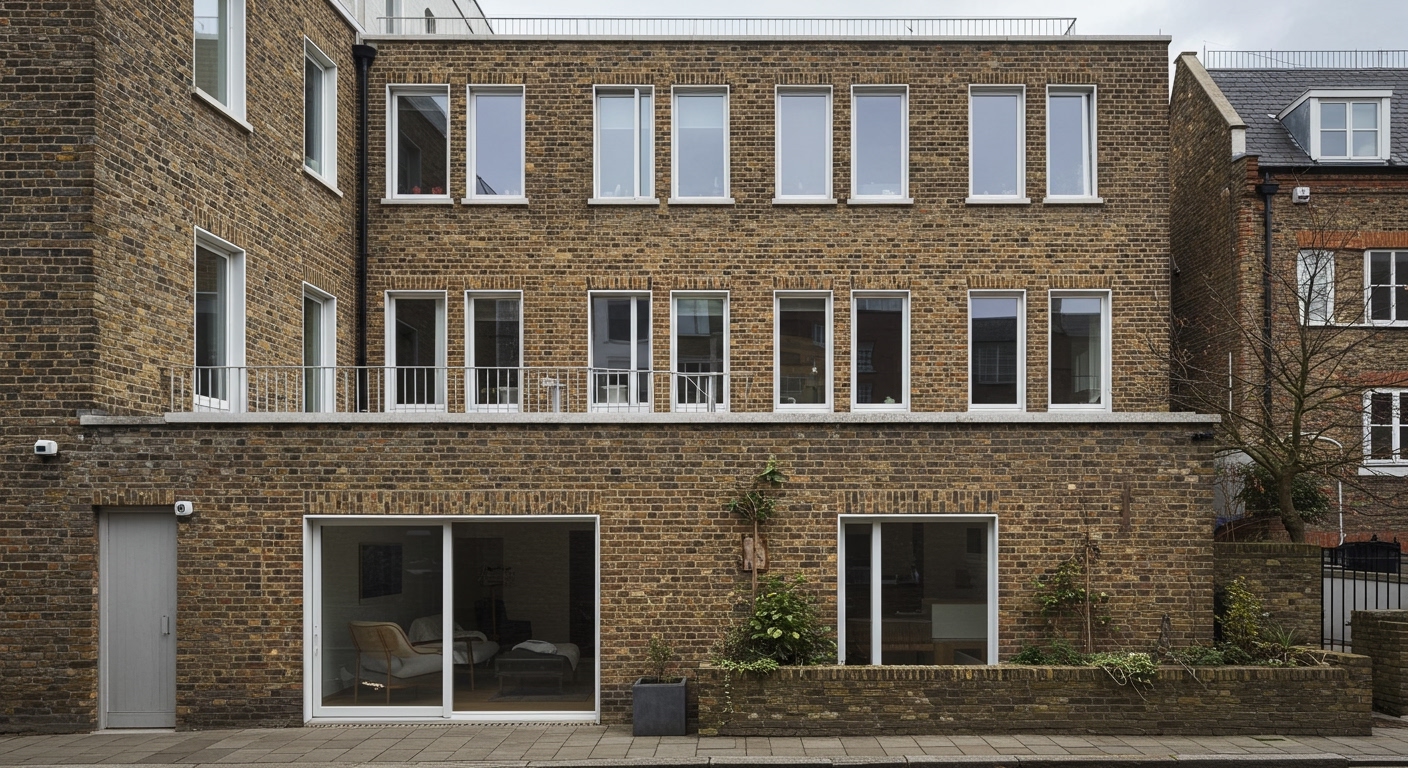
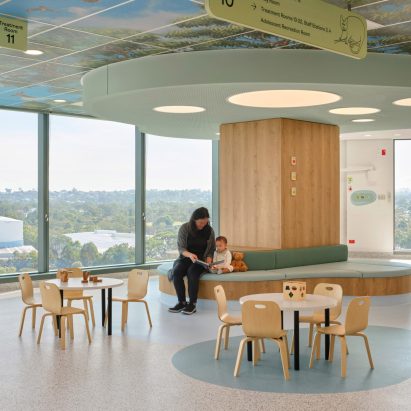
Billard Leece Partnership’s Wattle Building for The Children’s Hospital Westmead uses an aluminium-clad facade, a material choice frequently presented as a default for large, complex structures due to its workability, long lifespan, and recyclability. Mainstream industry opinion often champions aluminium for its lightweight properties and its potential for recycling at end-of-life, positioning it as an inherently sustainable solution for institutional architecture. This view, however, overlooks the significant energy expenditure in primary aluminium production and the often-complex, globalized supply chains required for large-scale panel systems, which involve extraction, smelting, manufacturing, and transport across vast distances. A facility’s actual sustainability profile is diminished when material selection prioritizes ease of installation or a singular end-of-life benefit over a comprehensive lifecycle assessment that accounts for the substantial embodied carbon from initial resource extraction through manufacturing and final delivery to site. The structural philosophy that prioritizes readily available, standardized industrial materials without deep scrutiny of their provenance contributes directly to this oversight.
The true long-term environmental and urban benefit of such large-scale applications is questionable when compared to locally sourced, less processed alternatives. Architects must critically question the industry’s default material palettes and their associated logistical impacts. For example, the focus at events like Building Green CPH often emphasizes certified products or theoretical recyclability without adequately scrutinizing the entire logistical footprint of production and transportation. The profession has an urban responsibility to push for materials that contribute to local economies and reduce global dependency. Within two years, significant regulatory pressure will emerge in major European and North American cities, mandating detailed public disclosure of the embodied carbon for all primary structural and facade materials on projects exceeding 5,000 square meters. This will force a decisive shift away from materials that merely offer post-consumer recyclability towards those with demonstrably lower upfront environmental impact and shorter, more transparent supply chains.
The resistance to this critical re-evaluation of material sourcing and embodied energy comes largely from established manufacturing consortia and their powerful lobbying efforts, which benefit immensely from existing supply chain efficiencies, material standardization, and economies of scale. Brands like Cabbonet, while delivering bespoke luxury kitchens designed by Arteim, still operate within a material economy that frequently prioritizes availability and aesthetic uniformity over the radical localism that could genuinely reduce environmental burden. The ingrained industrial apparatus of construction resists a fragmented, localized supply chain, often citing cost and quality control challenges.
Architecture professionals should immediately begin incorporating embodied carbon calculations into early-stage material specification for every project, not just as a compliance check, but as a primary design driver influencing structural and enclosure decisions. Prioritize specifying structural and facade materials sourced within 200 kilometers of the project site, even if it requires more effort in material research, vendor identification, and collaboration with local craftspeople and industries. This proactive approach will foster material innovation from the ground up.
TL;DR
Architects must prioritize localized, low-embodied carbon materials over conventional industrialized solutions for genuine urban responsibility.
Curated References

About this editorial — This piece was developed using AI-assisted research and curation across multiple industry sources. All analysis, opinions, and predictions represent the editorial perspective of JHDD. Sources are linked in the references section above.