JHDD Packaging Report — 2026.10.03
MATCHALITA’s packaging, designed by ImaginaryFriend, uses waveform-inspired graphics to reposition ceremonial matcha within a nightlife context.
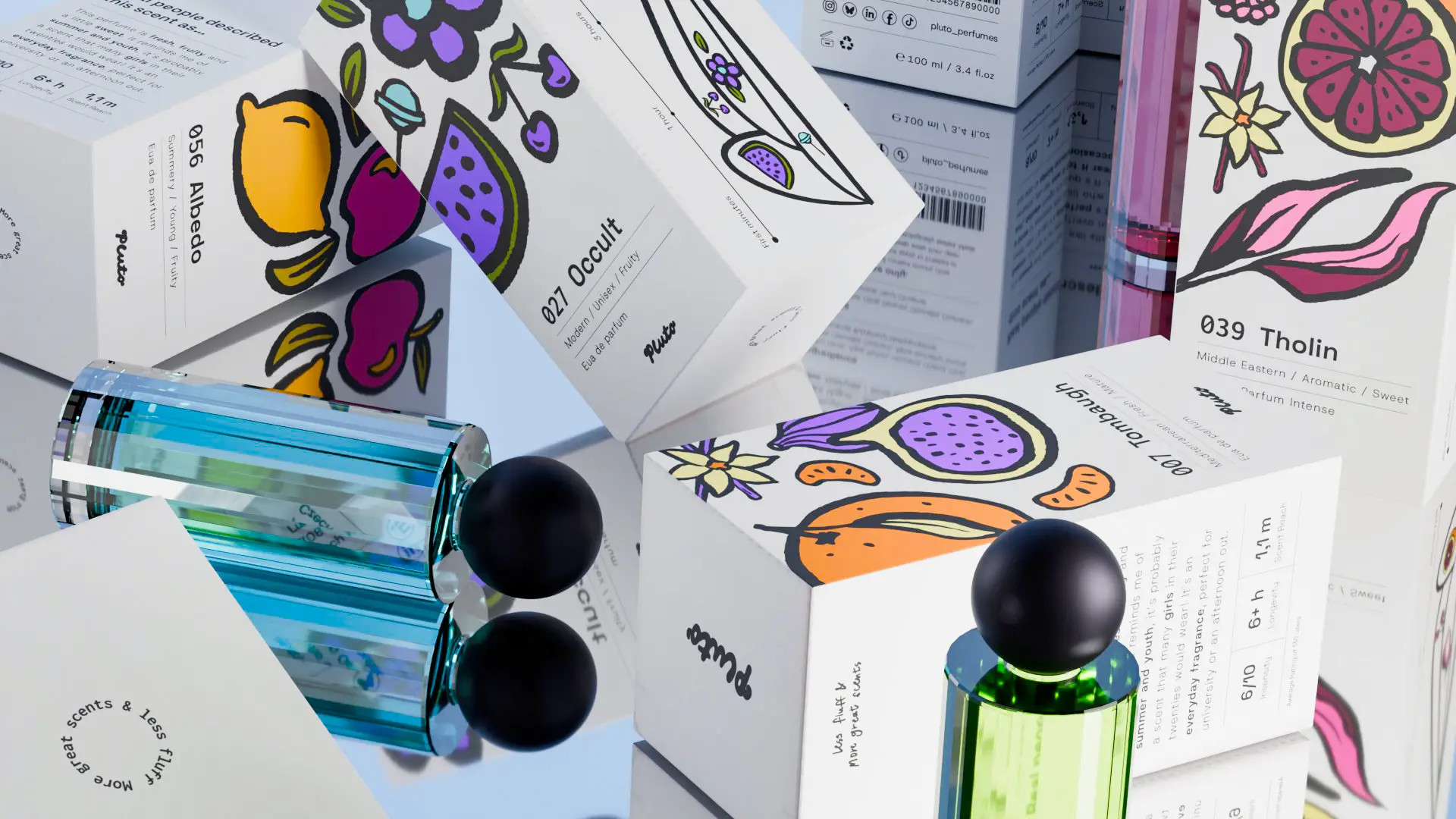
A clear pattern is emerging across recent packaging innovations where brands are leveraging design not just to contain products, but to actively redefine their categories and consumer rituals. Eye Coffee’s compostable pour-over challenges the traditional to-go cup experience, while Kateřina Milatová’s Pluto project for fragrance reinterprets accessibility through clear illustrations. This suggests an industry shift towards packaging that actively shapes new use-cases and invites consumers into alternative cultural narratives, moving beyond passive protection to active experience orchestration.
Nonna’s and Lucali’s collaboration for Hot EVOO provides a strong example of packaging moving beyond simple protection to create a specific cultural invitation. Their use of bright red and checkerboard borders, alongside Nonna Gracie’s familiar portrait, deliberately leans into Italian American restaurant culture, eschewing the often-minimalist aesthetics prevalent in premium food. This is not just a superficial visual choice; it communicates a warm, personal interaction, shifting the premium olive oil category away from sterile sophistication towards a more approachable, story-driven experience. The tactile feel of the packaging, though not explicitly detailed in the report, would ideally reinforce this homestyle authenticity upon unboxing.
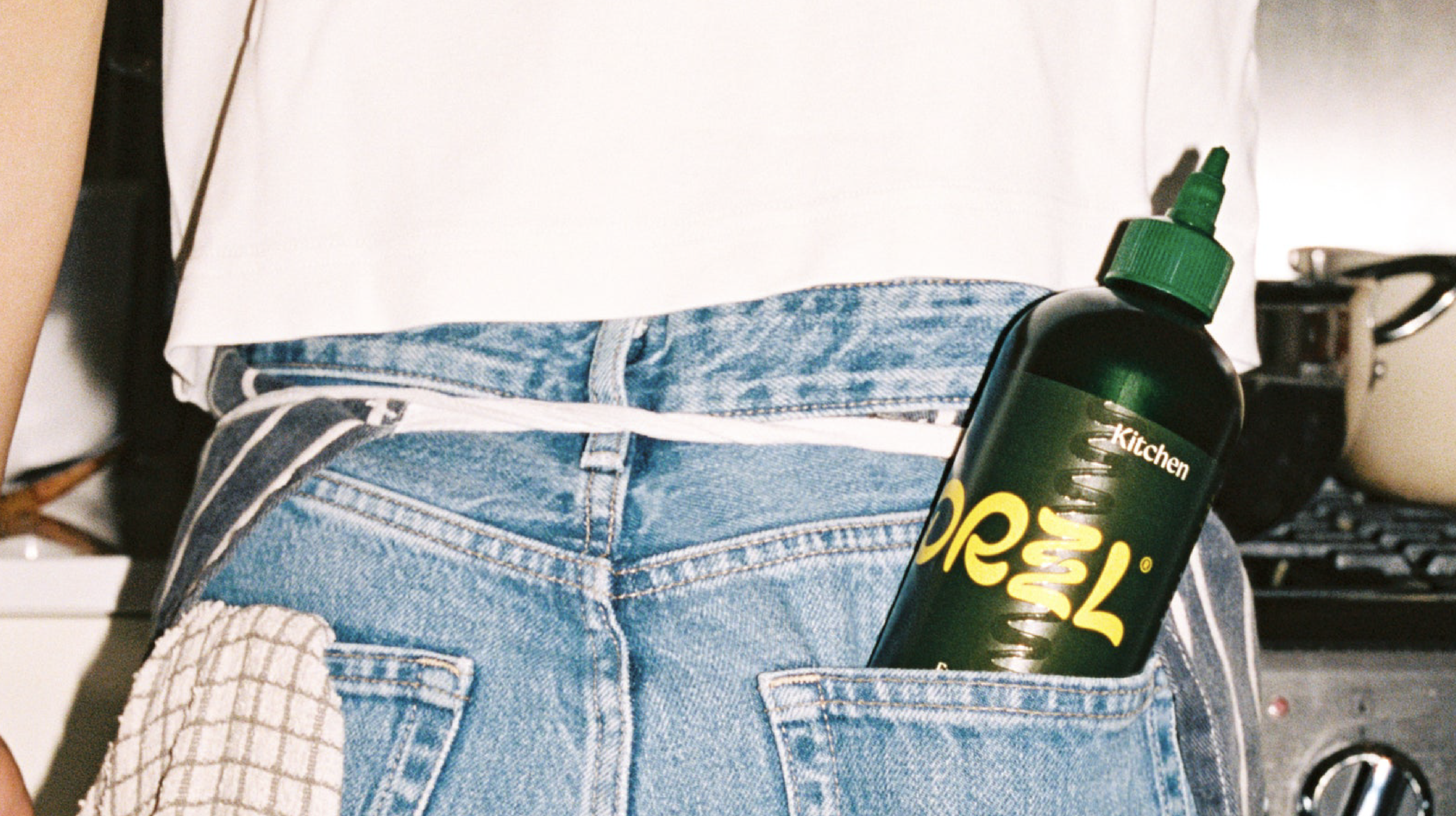
Conventional wisdom often dictates that premium products, especially in food and beverage, require understated, minimalist packaging to convey quality and sophistication. This perspective prioritizes sleek lines and muted palettes as universal markers of high value. However, the Nonna’s and Lucali project, alongside DRZZL’s playful squeeze bottles designed by Derek&Eric, demonstrates a robust counter-trend where authenticity, cultural specificity, and even overt playfulness can effectively communicate premium status. DRZZL’s deep green bottles paired with juicy orange and yellow typography similarly defy the austere. This approach suggests that genuine connection and a distinct personality, rather than generic luxury cues, are increasingly vital for market differentiation and shelf impact. This indicates that by late 2027, a significant portion of the premium market will embrace distinct, culturally specific aesthetic narratives over generic high-end uniformity, directly influencing consumer loyalty and recall.
The primary opposing force to this trend comes from brands and retailers who prioritize supply chain efficiency and cost reduction above all else. Large-scale operations often prefer standardized, material-agnostic packaging formats that streamline logistics and reduce per-unit costs, resisting the investment in bespoke materials or complex graphic applications required for deeply experiential or culturally specific designs. This resistance is often driven by a reluctance to retool production lines for non-standardized sustainable materials or to invest in the design research needed to develop truly distinctive tactile experiences.
A working Packaging professional should immediately conduct a comprehensive audit of their current portfolio’s unboxing sequences. This audit should extend beyond initial visual appeal to include the tactile experience and the narrative unfolding. Focus on identifying moments where material textures, structural design, and subtle graphic details can be introduced or enhanced to amplify the brand’s story upon first physical contact, without necessarily adding new components or increasing material use. This shifts the focus from purely visual shelf impact to sustained brand interaction post-purchase.
TL;DR
Packaging is evolving beyond containment to actively shape new product narratives and consumer experiences through tactile and cultural specificity.
Curated References



About this editorial — This piece was developed using AI-assisted research and curation across multiple industry sources. All analysis, opinions, and predictions represent the editorial perspective of JHDD. Sources are linked in the references section above.