JHDD Packaging Report — 2026.09.17
Cirque du Soleil extends its performance beyond the stage with packaging adorned with acrobats and circus acts, transforming a simple snack into an immersive experience. This attention to sensory engagement highlights a shift in packaging’s role.
This trend across recent stories reveals that packaging is evolving from a protective container or static billboard into an active participant in product storytelling, brand identity, and consumer connection. Whether through the functional nostalgia of the Capri Sun “Big Pouch,” the environmental advocacy of Nativo’s climate map illustrations, or the cultural curation of the Chicago Brand Museum, packaging is becoming a critical touchpoint for deeper meaning and sensory impact, not just information delivery.
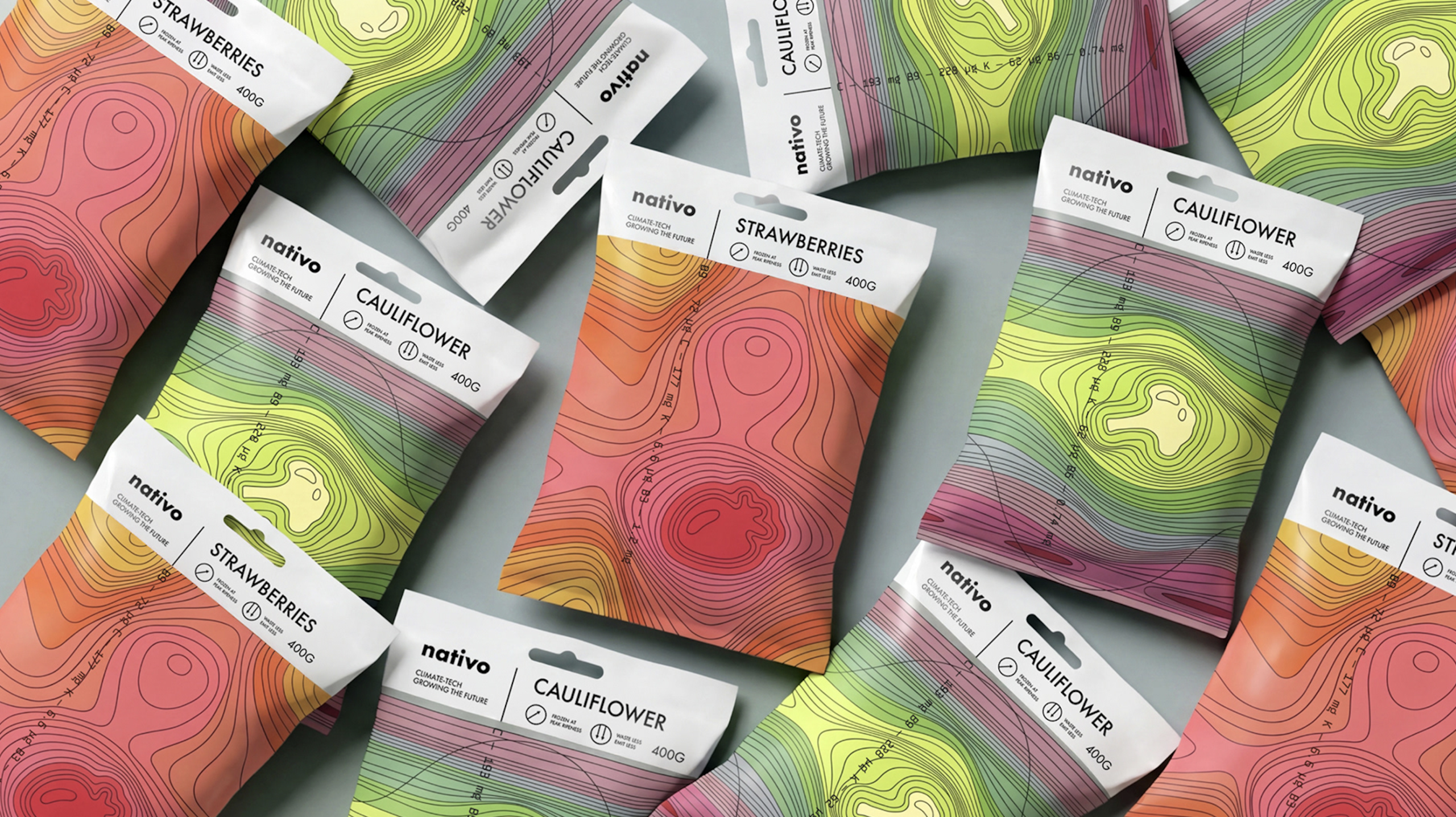
Consider Nativo, which reframes frozen food using climate map-inspired illustrations. This design choice actively connects the product’s preservation with global climate concerns, positioning frozen food as a response to food waste. Mainstream industry opinion often posits that sustainable materials and ethical messaging limit design freedom, resulting in utilitarian aesthetics. However, Nativo’s approach contradicts this: it demonstrates that a strong, purposeful narrative, visually communicated through sophisticated design and tactile elements, can significantly elevate shelf impact and consumer perception. The package becomes a tangible statement of values, making the sustainable choice inherently more appealing and premium, rather than a compromise.
This evolution prioritizes a multi-sensory unboxing experience and a clear, integrated sustainability narrative that extends beyond basic material claims. By mid-2027, brands that have not embraced packaging as a primary channel for immersive, purpose-driven storytelling will struggle to differentiate in competitive markets, especially among younger demographics who demand transparency and authenticity.
The primary opposing force to this design evolution remains the entrenched inertia of existing supply chains and manufacturing processes. Large corporations, focused on incremental cost efficiencies, often resist adopting innovative sustainable materials or complex tactile designs due to perceived higher production costs, retooling requirements, and the risk of disrupting established logistical flows. This prioritizes short-term financial metrics over the long-term brand equity and consumer loyalty that thoughtful packaging design can cultivate.
A working packaging professional should conduct a “sensory audit” of their current product lines. This means evaluating not just the visual appeal of packaging, but also the haptic feel, the sound it makes when opened, and the emotional resonance of its material story. Identify one high-impact product and explore how a sustainable material with a distinct tactile quality (e.g., molded fiber, textured paperboard, bio-polymer with a unique finish) could enhance the unboxing experience and communicate a deeper brand purpose.
TL;DR
Packaging is evolving into an interactive, narrative-driven element, challenging conventional design limitations for sustainability.
Curated References


About this editorial — This piece was developed using AI-assisted research and curation across multiple industry sources. All analysis, opinions, and predictions represent the editorial perspective of JHDD. Sources are linked in the references section above.