JHDD Packaging Report — 2026.09.05
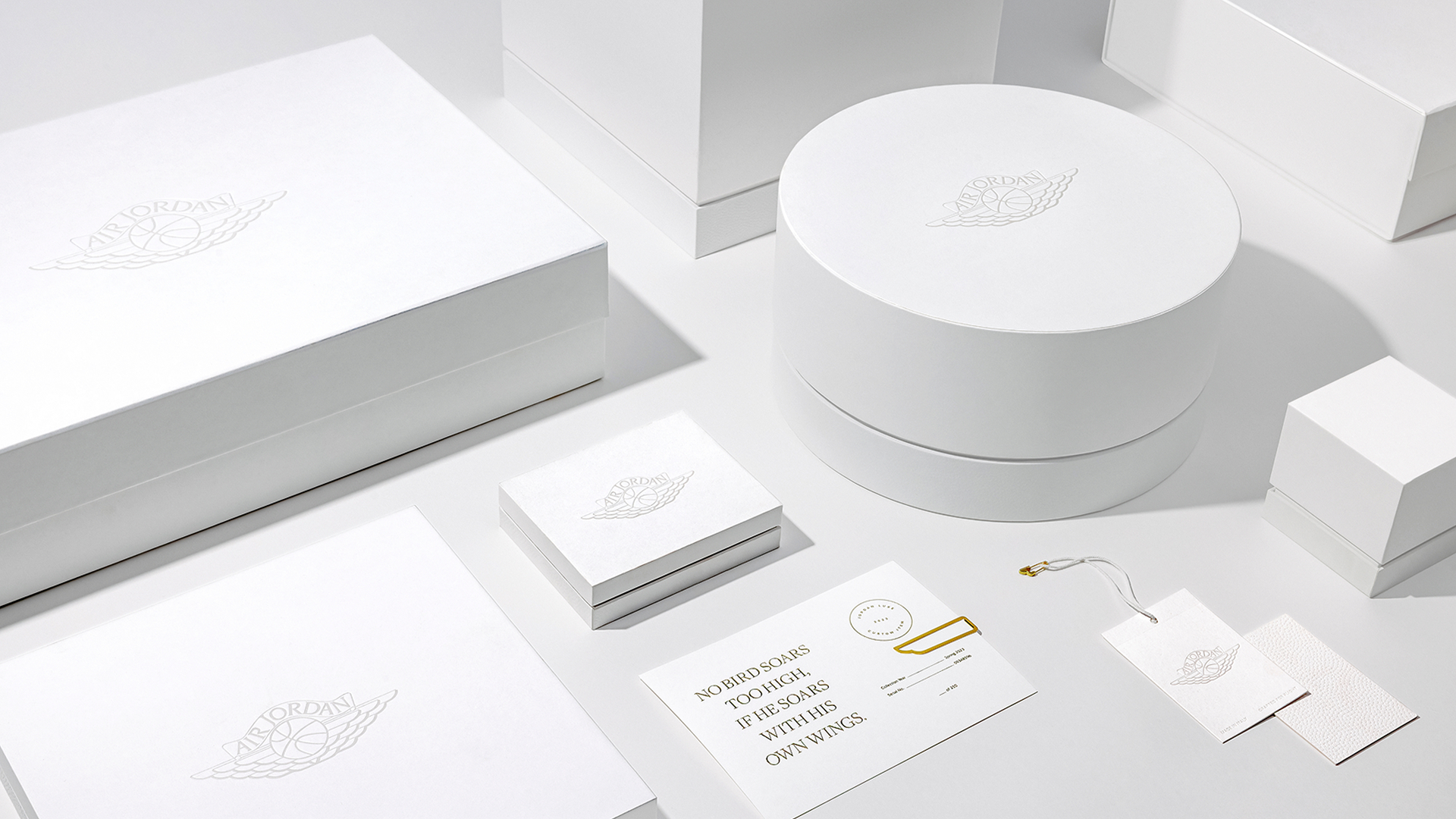
Tolleson’s redesign of Air Jordan Lux packaging introduced tonal whites and tactile basketball textures, elevating it to a fashion collectible.
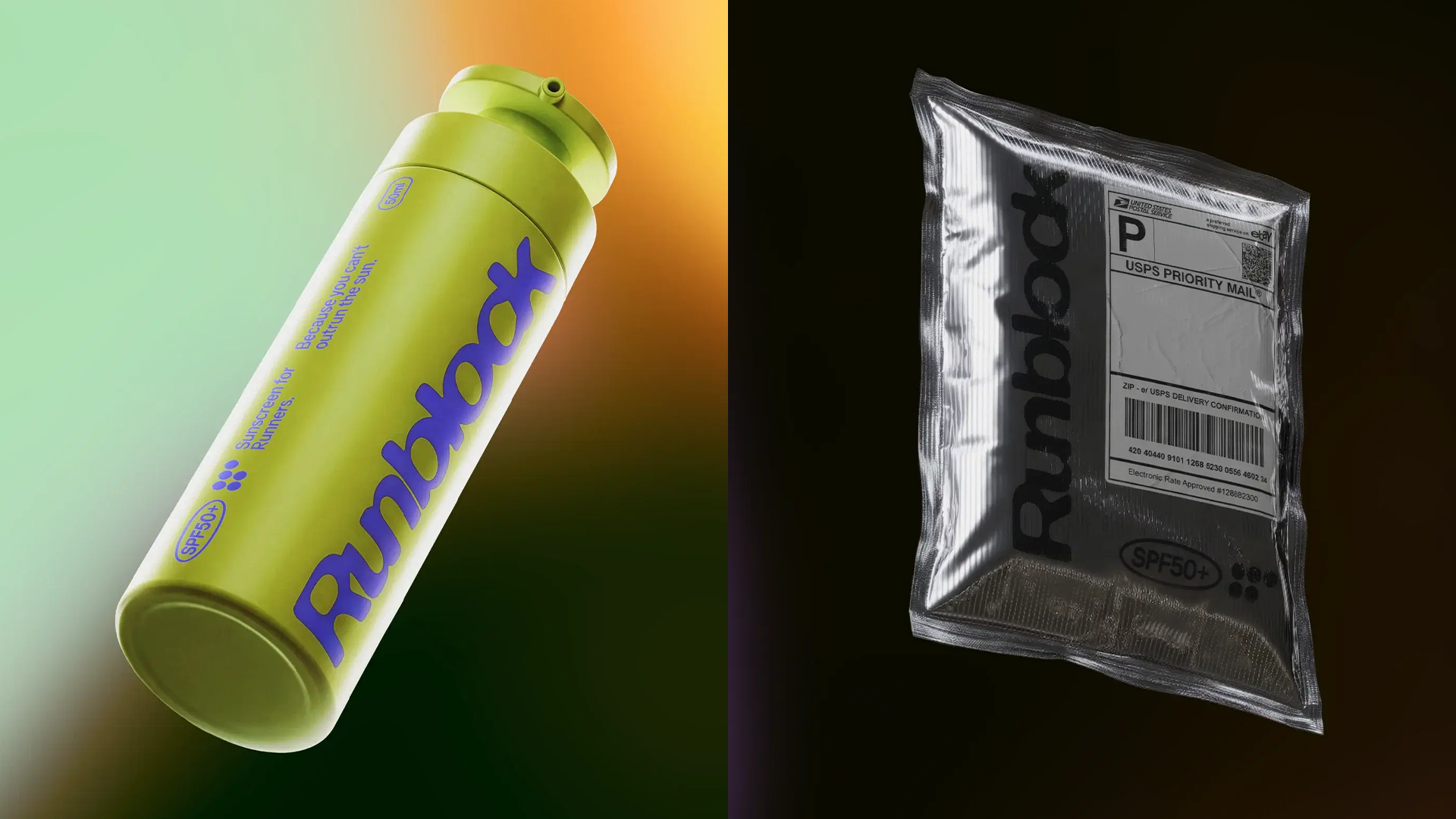
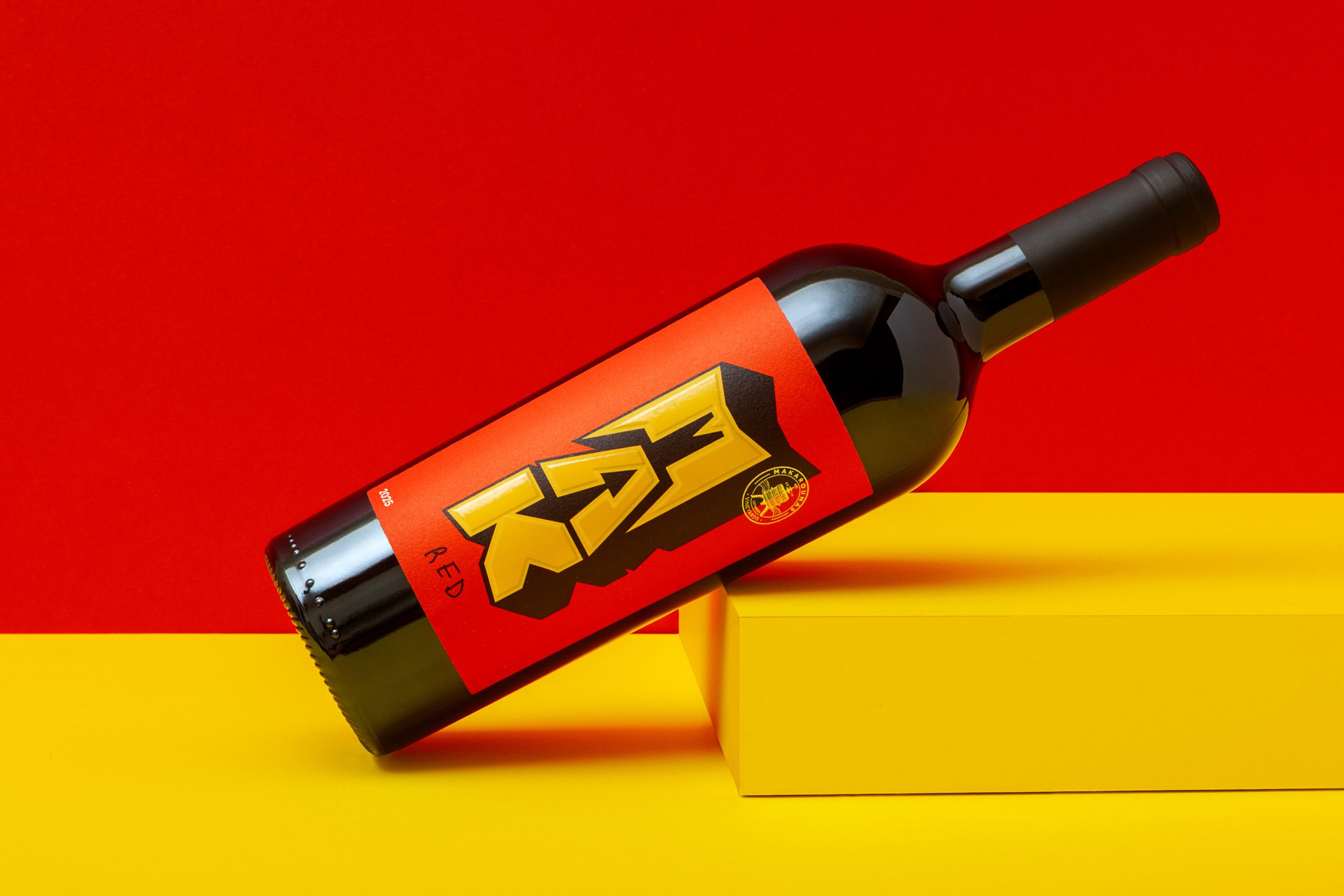
This detail, alongside other recent examples like Runblock’s branding for sweaty runners and MAK’s electric wine labels, highlights a subtle but persistent shift in packaging strategy. Brands are moving past purely visual distinctiveness towards a deeper integration of haptic engagement and perceived material value. The focus is increasingly on how packaging feels in the hand, its weight, and the subtle sensory cues it provides before the product is even revealed. This trend suggests a maturation where shelf presence is not merely about arresting the eye, but about inviting a specific, lasting physical interaction that reinforces a brand’s unique identity and elevates the consumer experience.
The Air Jordan Lux project, reimagined by Tolleson, exemplifies this by treating the packaging not as a disposable container, but as an integral part of a premium product’s narrative and longevity. The choice of tonal whites, tactile basketball textures, and refined gold details signals a commitment to a sophisticated unboxing experience, transforming a simple box into a desirable object in itself. This contradicts the mainstream industry opinion that shelf impact primarily derives from loud graphics or immediate, broad visual appeal. While bold visuals, such as MAK’s use of electric color and oversized lettering, certainly capture immediate attention, enduring brand value often stems from the subtle, premium feel of the physical package and the quality of its materials. Brands that invest in this sensory depth are building a connection that transcends fleeting trends and offers a tangible sense of value.
This focus on material texture and perceived value, integrated with sustainable practices, will become more pronounced. Packaging professionals will see an acceleration in the development of substrates that offer complex tactile properties while maintaining robust sustainability profiles, moving beyond mere recycled content. By late 2027, a significant portion of luxury and premium consumer goods packaging will feature innovative bio-based or advanced recycled materials engineered for specific haptic feedback, extending the unboxing experience into a multi-sensory brand immersion. This includes not only embossed patterns but also material composites that naturally possess distinctive touch characteristics, signaling both premium quality and environmental responsibility.
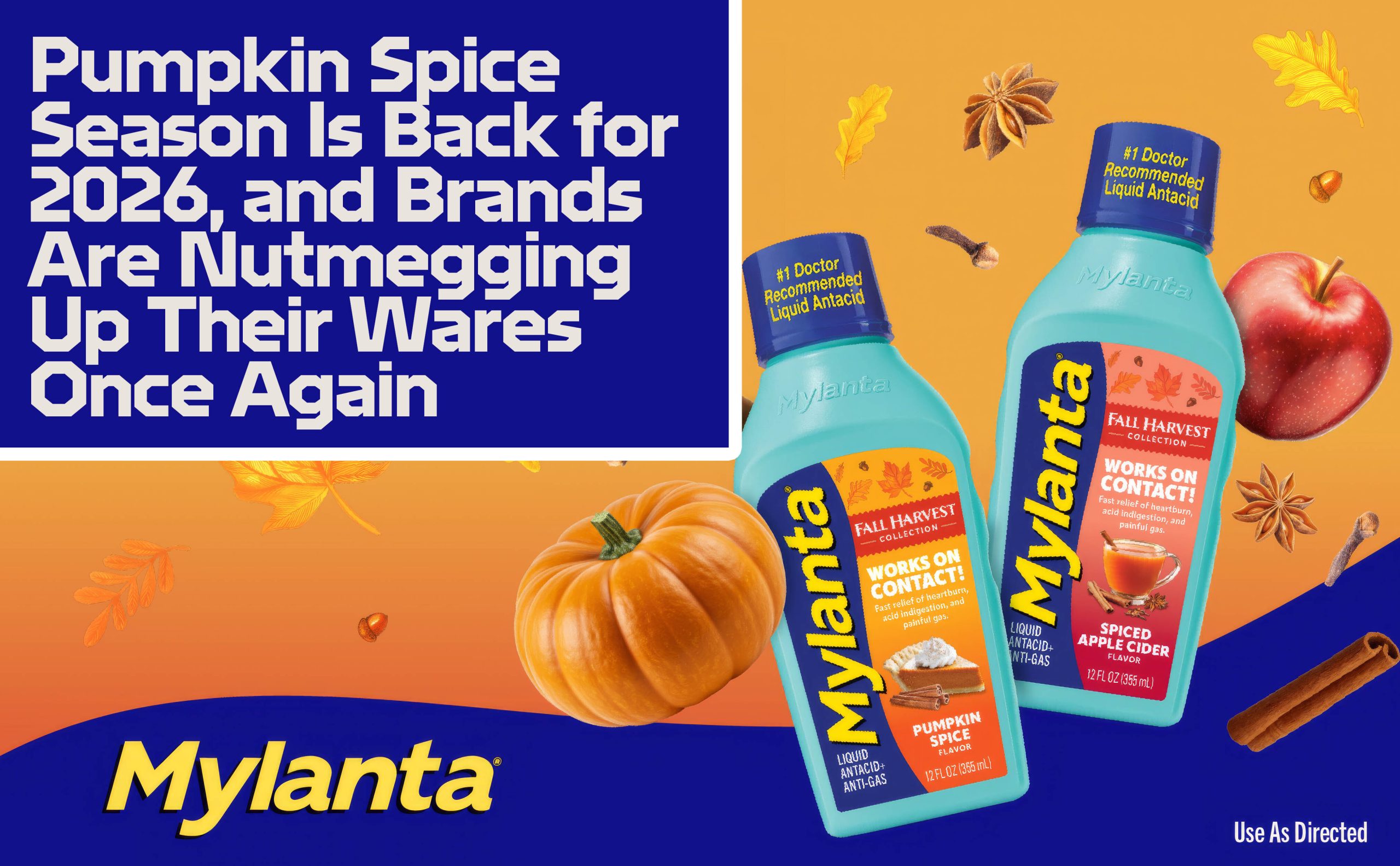
The primary opposing force to this sophisticated tactile movement is the pervasive influence of broad, seasonal commodification, epitomized by the annual “Pumpkin Spice season” saturation. This phenomenon drives brands towards rapid, visually similar adaptations that prioritize quick market entry and widespread recognition over unique physical differentiation. Such trends often result in packaging designs that, while visually current, frequently lack distinctive material properties or a memorable unboxing sequence. This reinforces a disposable rather than collectible mindset, where the packaging’s utility is exhausted upon purchase, failing to contribute to long-term brand equity through sensory engagement.
Packaging professionals should immediately prioritize conducting material audits focused on haptic properties, supply chain transparency, and lifecycle impact. This involves working directly with material scientists, pulp and paper engineers, and specialized printers to explore novel cellulose-based fibers, mycelium composites, or advanced recycled plastics. The goal is to identify and integrate materials that can deliver specific, desirable textures—from smooth and cool to fibrous and warm—and do so without compromising end-of-life recyclability or compostability. Focusing on how the chosen material itself communicates quality and sustainability, rather than relying solely on surface graphics, will be crucial.
TL;DR
Packaging designers are moving towards deeply tactile and sustainable material experiences to create lasting brand connections.
Curated References

About this editorial — This piece was developed using AI-assisted research and curation across multiple industry sources. All analysis, opinions, and predictions represent the editorial perspective of JHDD. Sources are linked in the references section above.