JHDD Architecture Report — 2026.09.05
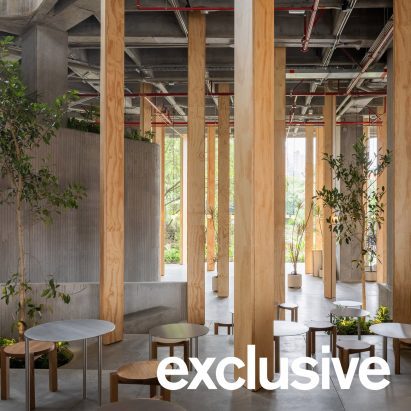
Studio Cadena’s design for the Masa cafe in Medellín features 31 towering wooden columns, articulating space through exposed structural elements.
These seemingly disparate projects reveal a unifying pattern: a deliberate move away from superficial applications and towards an intrinsic material logic. Whether it is the structural honesty that defines space, the deep material properties of a new product, or the integration of craft and context, there is a consistent exploration of architecture’s foundational elements beyond their immediate aesthetic or functional surface.
The use of 31 plywood columns by Studio Cadena demonstrates a structural philosophy that embraces visible, active components as integral to spatial experience, rather than concealing them. This directly contradicts the mainstream industry’s frequent practice of cloaking structural frameworks behind smooth, undifferentiated surfaces, reducing them to mere engineering necessities. Studio Cadena’s approach allows the material to perform both structurally and aesthetically, defining an “atmosphere without walls or enclosure” by its sheer presence and repetition. This method challenges the notion that architectural elegance requires hidden complexity, proposing instead that clarity of structure can be a source of spatial richness. By mid-2027, this re-emphasis on expressed structure will push architectural education to prioritize material behavior and tectonic expression over abstract form-making exercises.
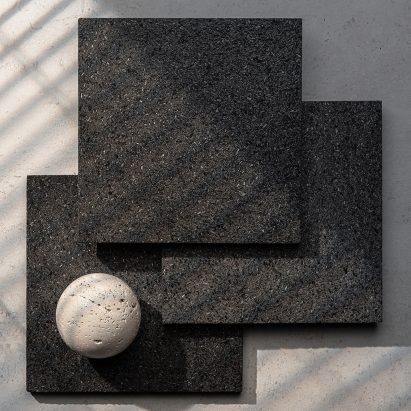
Similarly, Elementic’s introduction of MO6, a wall-surfacing material made from forestry offcuts and presented as “almost pure carbon,” exemplifies material innovation. However, the prevailing industry focus on single-metric environmental claims, such as headline carbon sequestration figures, is a limited view of sustainability. A truly responsible material innovation must consider its entire lifecycle and urban integration, including durability, adaptability to local climates, ease of repair, and responsible end-of-life scenarios. Without this holistic perspective, materials like MO6, despite their promising initial carbon metrics, risk becoming components in a linear consumption model rather than genuine contributors to a circular economy. Within two years, industry leaders will increasingly demand transparent, comprehensive lifecycle assessments for new materials, moving beyond isolated performance claims to understand their broader systemic impact.
The resistance to this shift towards intrinsic material honesty and comprehensive lifecycle thinking often comes from established manufacturing practices and their supporting supply chains. These large-scale systems frequently prioritize standardized mass production and global distribution, which can inadvertently discourage regional material sourcing, bespoke fabrication, and the explicit expression of structural truth.
Architecture professionals should demand transparent, third-party verified lifecycle data for all specified materials, extending beyond embodied carbon to include manufacturing energy, water use, transport distances, and clear end-of-life pathways, all tailored to the specific regional context of their projects.
TL;DR
Architects must move beyond superficial material applications and single-metric sustainability claims to prioritize inherent material qualities, structural honesty, and comprehensive lifecycle integration in urban contexts.
Curated References
About this editorial — This piece was developed using AI-assisted research and curation across multiple industry sources. All analysis, opinions, and predictions represent the editorial perspective of JHDD. Sources are linked in the references section above.