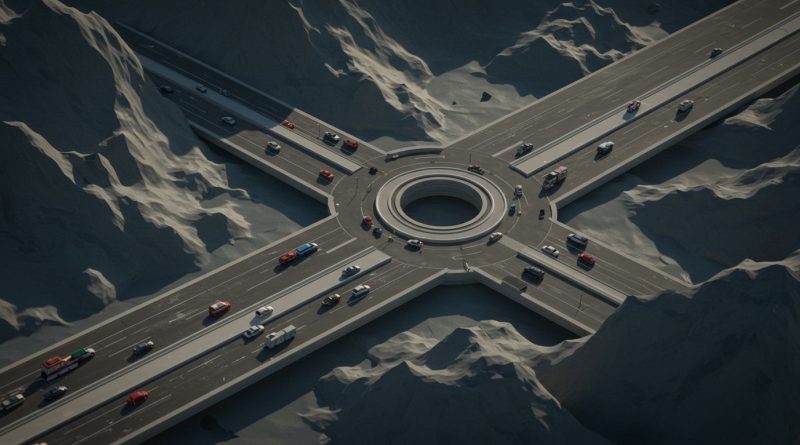
JHDD 3D Modeling Report — 2026.07.12
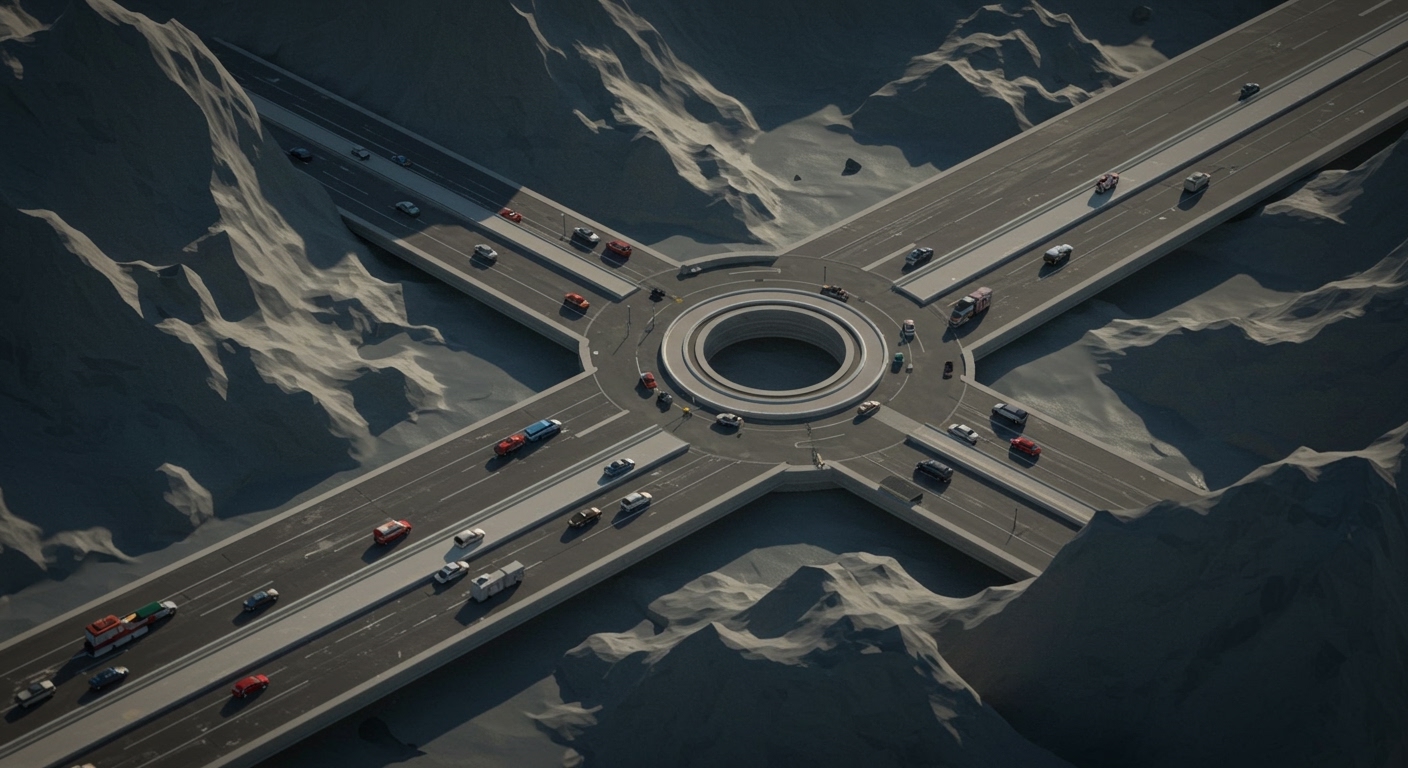
The Godot Road Generator, a plug-in from TheDuckCow, recently showcased enhanced procedural intersections.
These developments signal a shift where procedural generation is moving beyond mere geometric efficiency to become a primary driver for orchestrating specific atmospheres and narrative contexts within virtual spaces. It is no longer just about generating terrain or buildings, but about dynamically imbuing environments with a specific feel – be it the weaponized nostalgia discussed by Bryce Clark for Poppy Playtime Chapter 5: Broken Things, or the intentional “rain-soaked world” of a new cyberpunk cozy game. The pattern illustrates how algorithms are now central to crafting deeply emotive and story-driven virtual experiences, where lighting dynamics and environmental effects are inherently tied to generative processes.
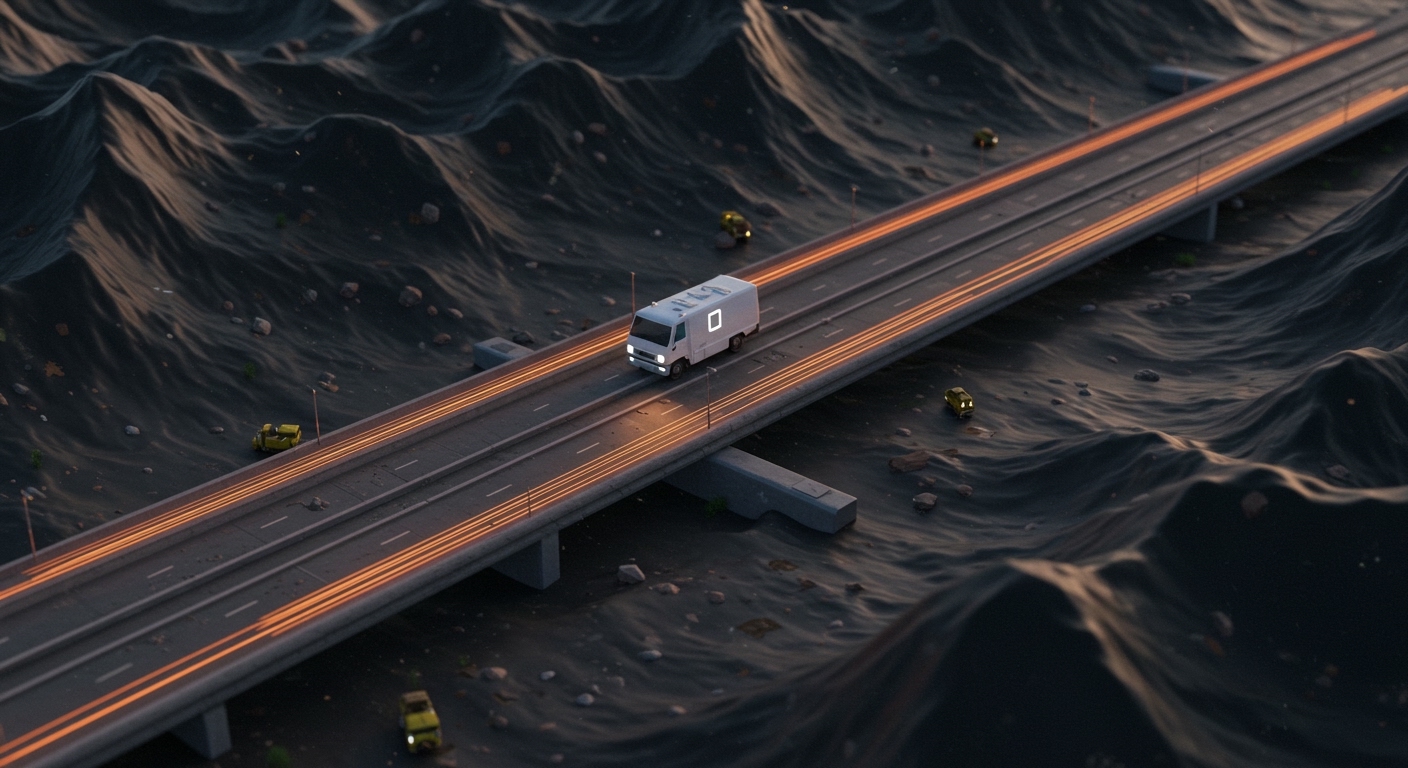
Poppy Playtime Game Director Bryce Clark’s insights on “weaponized nostalgia” and environmental storytelling for Chapter 5: Broken Things exemplify how sophisticated narrative is becoming inseparable from the underlying procedural systems that construct and illuminate virtual spaces. Mainstream industry opinion often elevates hyper-realism as the ultimate goal for 3D modeling, pushing for increasingly physically accurate renditions of individual assets and static scenes. This conventional perspective fundamentally misjudges the most compelling power of current procedural tools. The true impact lies in their capacity to create dynamically modulated moods and spatial dynamics, which can be far more immersive and emotionally resonant than sterile photorealism. The appeal of a “pencil sketch” aesthetic or the deliberate “rain-soaked world” demonstrates that carefully curated stylistic choices, dynamically generated, foster stronger connections than simply replicating reality.
This trajectory suggests that by early 2028, leading architectural visualization and product design studios will widely implement procedural ambient storytelling engines. These systems will move beyond static scene rendering to dynamically generate contextual environments that evoke specific client-desired emotions and narratives, seamlessly integrating lighting dynamics and environmental effects as core generative components rather than as post-production overlays.
The primary resistance to this paradigm shift originates from sectors like high-end product visualization or bespoke architectural walkthroughs. Here, client expectations frequently demand absolute, pixel-perfect control over every single element, favoring handcrafted precision and static perfection over the dynamic variability inherent in procedural systems. This approach prioritizes verifiable fidelity and the designer’s explicit intent above the generative spontaneity that can create unexpected narrative depth and immersion.
A working 3D Modeling professional should, this week, integrate simple procedural environmental effects – such as dynamic fog, rain systems, or generative material wear – directly into their scene assembly workflow. Focus on how procedural nodes can influence lighting and material properties in real-time within a virtual space, perhaps using a game engine environment to explore narrative potential rather than just static rendering.
TL;DR
Procedural systems are now integral to crafting emotional and narrative depth in virtual environments, challenging hyper-realism.
Curated References
About this editorial — This piece was developed using AI-assisted research and curation across multiple industry sources. All analysis, opinions, and predictions represent the editorial perspective of JHDD. Sources are linked in the references section above.