JHDD Branding Report — 2026.10.18
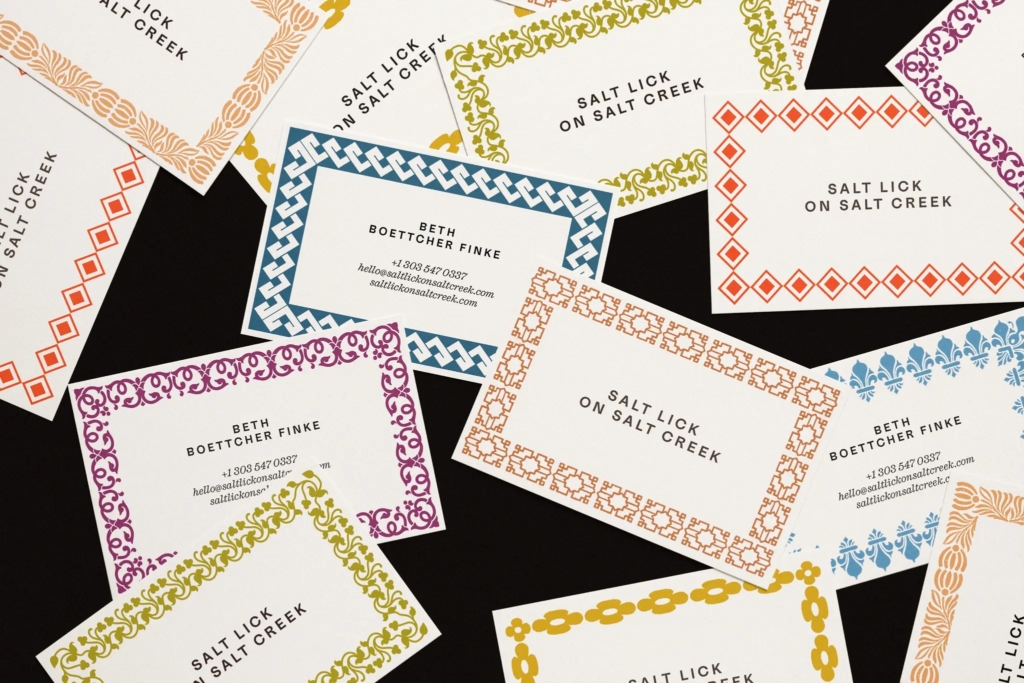
Order’s visual identity for Salt Lick on Salt Creek deliberately challenges immediate product recognition.
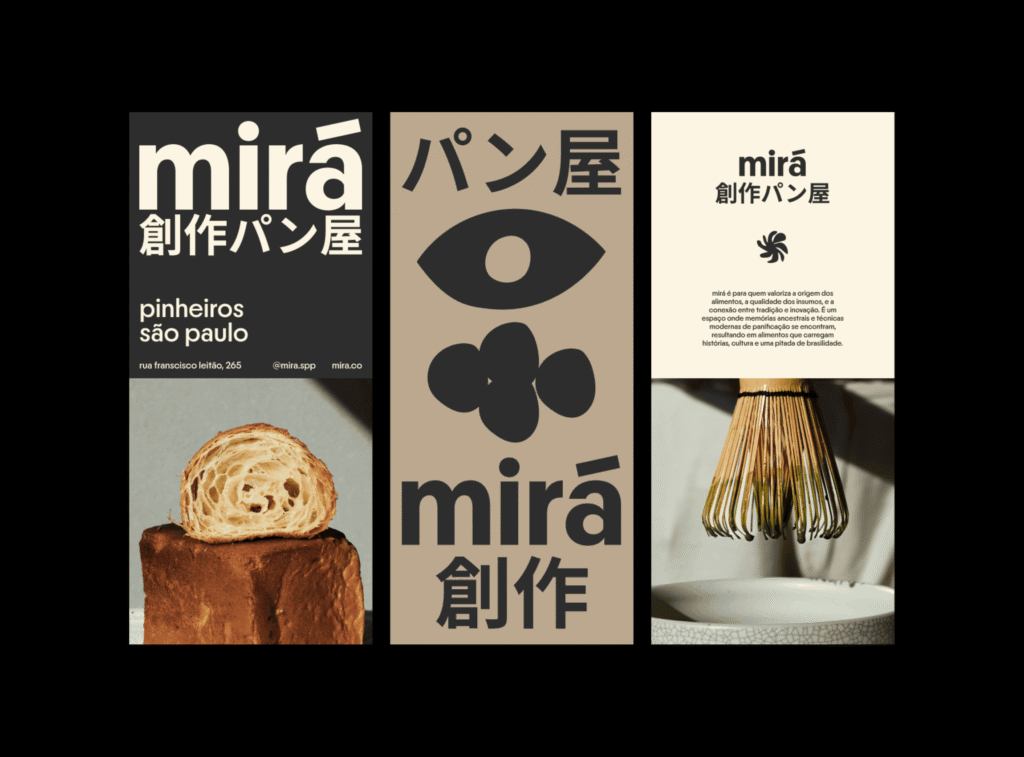
This deliberate ambiguity, where the core offering or geographical context is not instantly evident, appears across several recent projects. DNCO’s task to define Vermont for a broad audience and All Purpose’s work for Two Tribes Brewing, which rejects conventional craft signifiers, both reflect this trend. The identities for Mirá and Parla similarly rely on aesthetic systems to convey a specific cultural sensibility before explicit product details are absorbed. This signals a shift in brand positioning where initial clarity is less critical than fostering intrigue and cultivating a distinct cultural signal.
Consider Order’s identity for Salt Lick on Salt Creek. The press noted difficulty in immediately understanding the brand’s offering. Conventional wisdom often dictates that a brand’s visual identity must quickly and clearly communicate its purpose to build market positioning and brand equity efficiently. This view, however, overlooks a crucial development. When skillfully executed, an identity that initially withholds overt product information can generate more profound engagement. It compels a consumer to inquire, to explore, and to invest cognitive effort, which can solidify brand recall and affinity far more effectively than an identity that simply states what it is. The “design history-steeped identity” for Salt Lick on Salt Creek suggests that this deliberate ambiguity is a sophisticated play on cultural literacy and aesthetic appreciation, moving beyond mere transactional cues.
This approach transforms brand equity from a measure of simple recognition into one of cultural resonance and perceived depth. Brands embracing this strategy position themselves as curatorial entities or cultural touchstones, rather than just suppliers. For instance, All Purpose’s identity for Two Tribes Brewing, described as “resolutely ‘craft’ while also turning its back on all which that signifies,” utilizes this same principle of signaling an insider knowledge rather than a universal message. This nuanced communication strategy will necessitate new analytical frameworks. Within two years, leading brand consultancies will begin integrating metrics for “cultural capital” and “curiosity engagement” into their standard brand equity assessments, moving beyond traditional brand awareness scores.
The primary resistance to this model comes from short-term marketing objectives focused on immediate conversion rates, often championed by performance marketing departments. They advocate for identities that prioritize explicit calls to action and direct product benefits, fearing that ambiguity will deter impulse purchases and dilute measurable ROI. This resistance also stems from traditional brand managers who are accustomed to clear category definitions and struggle to quantify the value of less direct, more evocative brand messaging.
Branding professionals should pivot from designing for universal comprehension to designing for layered discovery. This involves developing visual identity systems that offer initial intrigue while embedding deeper narratives and contextual clues that reward further investigation. For example, instead of merely depicting a product, consider how the identity system itself can become an experience or a cultural artifact, as Estudio CRU did for Mirá bakery. Professionals should proactively map out these “discovery pathways” within the visual system, ensuring that the brand equity grows with each layer of meaning uncovered by the engaged consumer.
TL;DR
Brand identities are shifting from explicit declaration to implicit invitation, demanding new ways for professionals to build equity.
Curated References
About this editorial — This piece was developed using AI-assisted research and curation across multiple industry sources. All analysis, opinions, and predictions represent the editorial perspective of JHDD. Sources are linked in the references section above.