JHDD Packaging Report — 2026.10.14
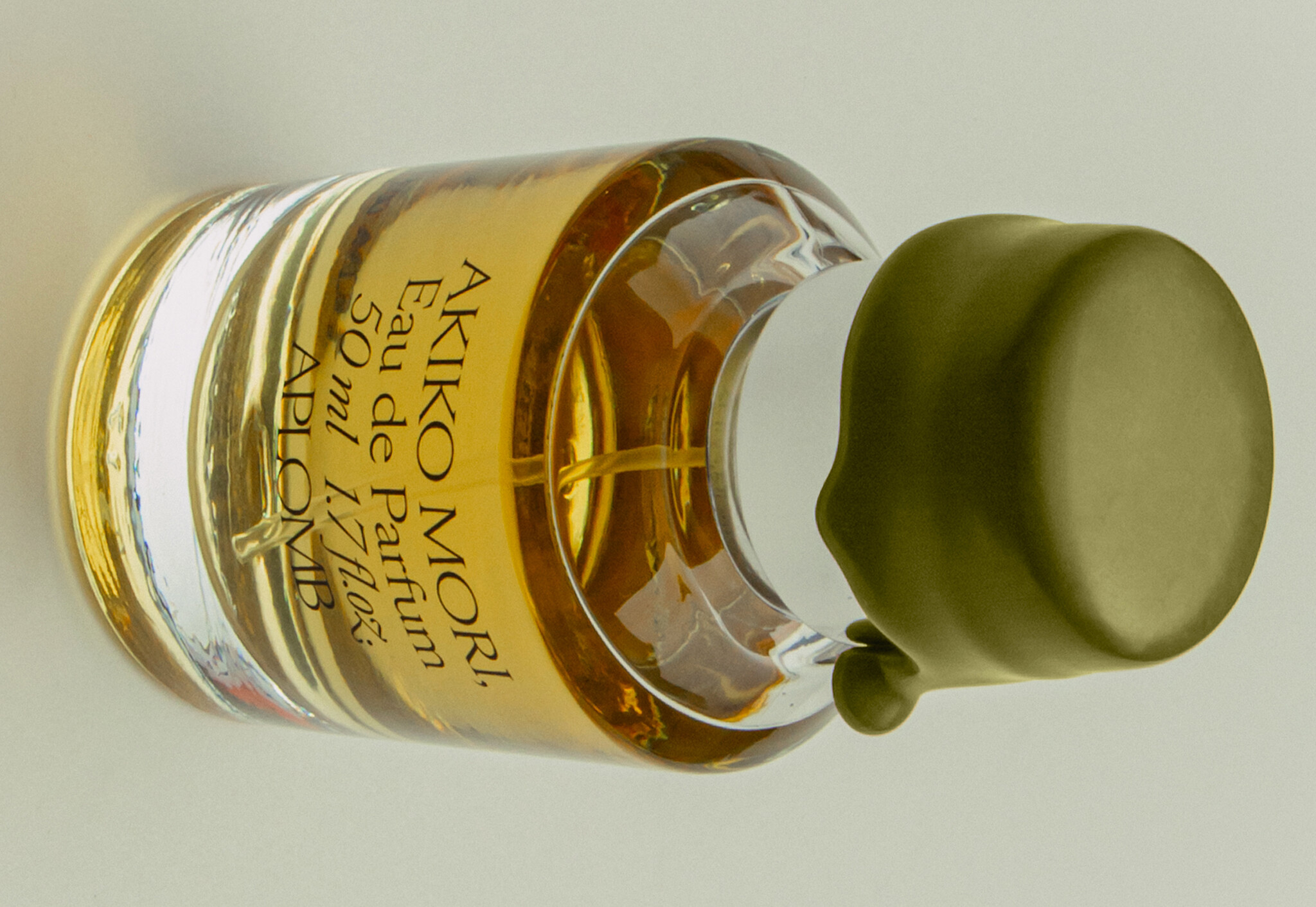
The wax-sealed caps and illustrated postage stamps on APLOMB’s luxury perfume bottles signify a shift in how brands approach packaging. This detail, alongside others, points to a deeper strategic intent.
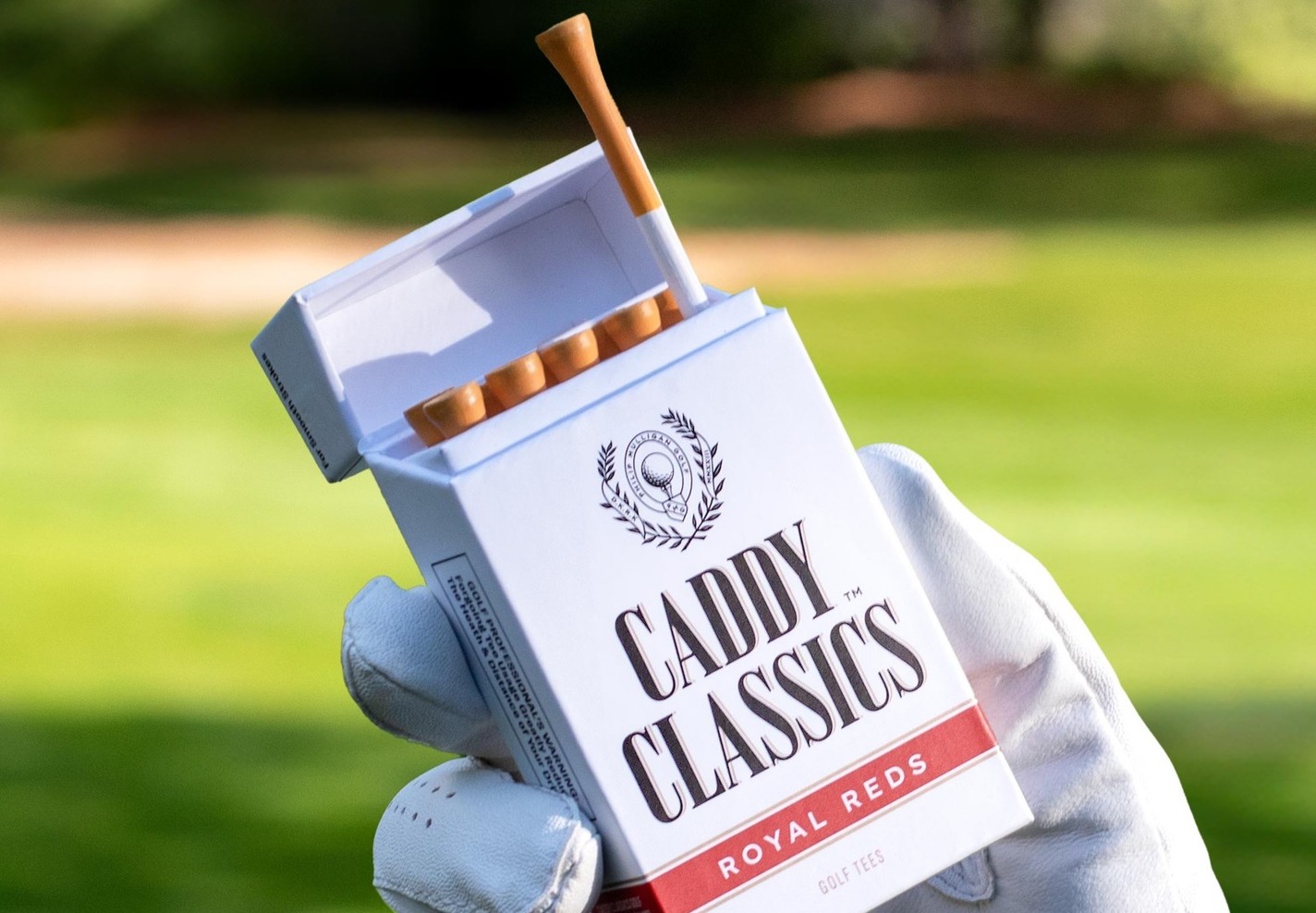
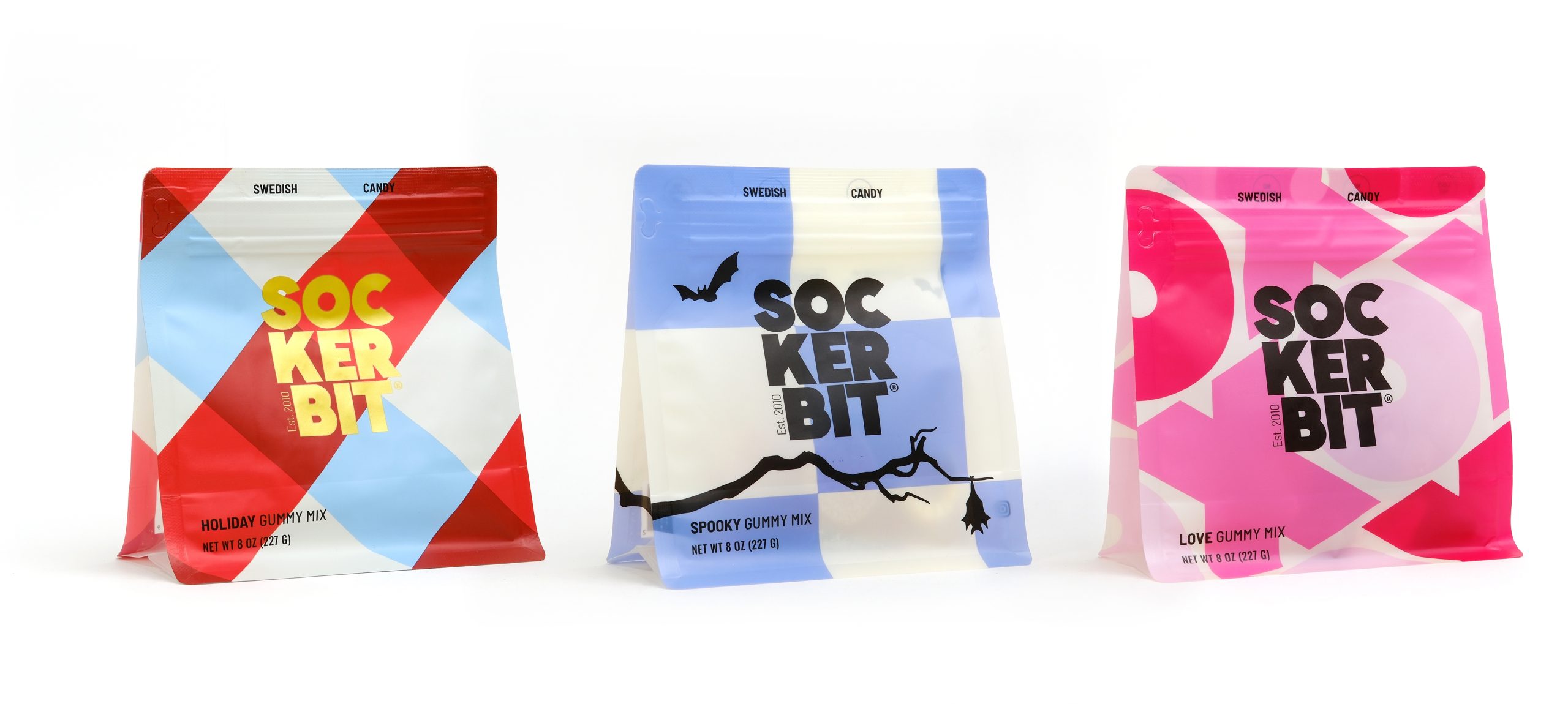
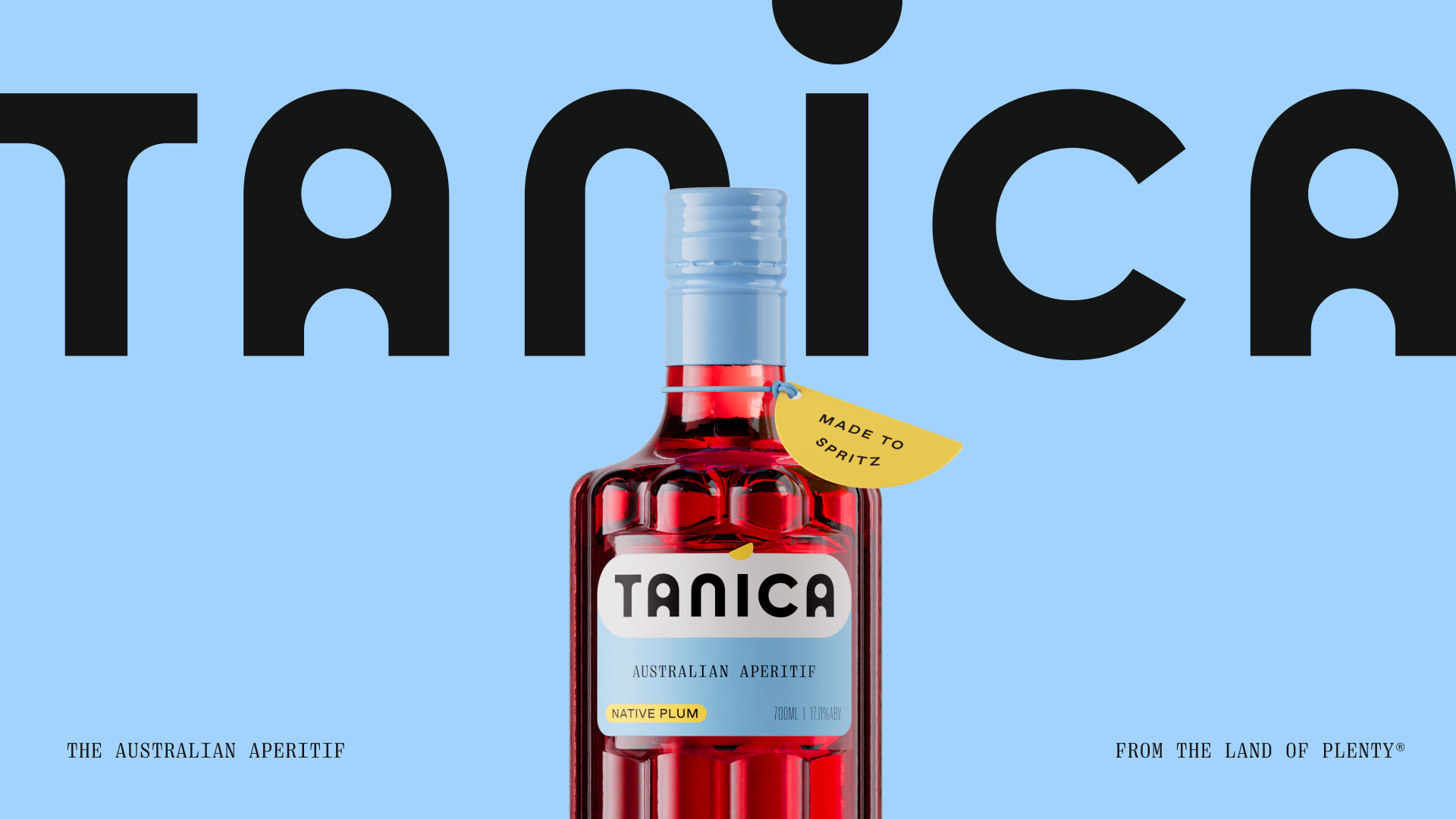
The common thread across Caddy Classics, Kocktail, APLOMB, Sockerbit, and Tanica is a deliberate investment in packaging that transcends mere containment. These brands extend their identity through sensory depth and cultural resonance, imbuing their products with a distinct sense of occasion and lasting value, often through unexpected material qualities or interaction cues. They move beyond basic material sustainability to focus on what makes packaging truly endure, either physically or emotionally.
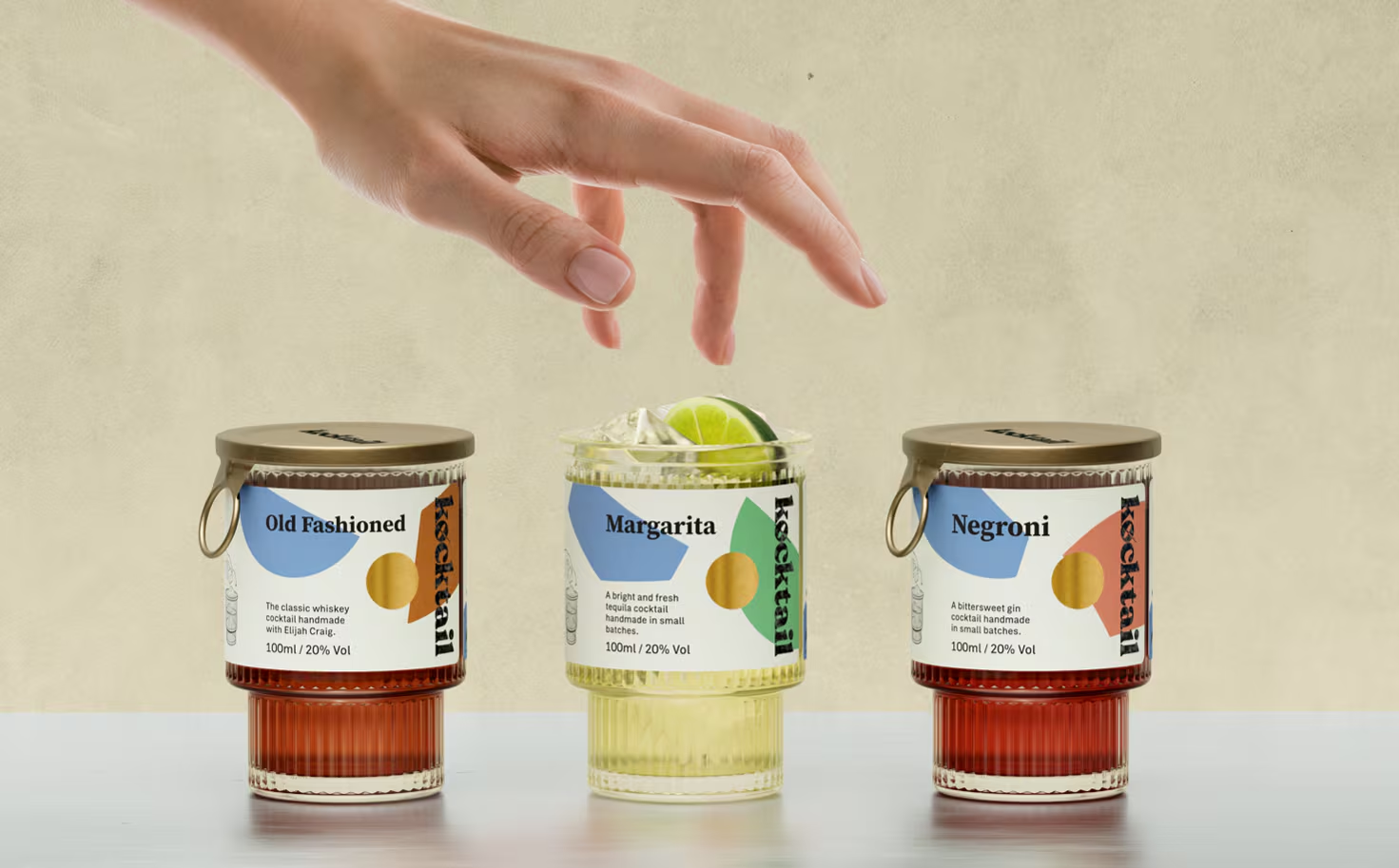
Kocktail’s reusable glass packaging for its premium RTDs represents more than a sustainable material choice. The substantial weight and clear finish of the custom glass bottles provide a tactile experience that conveys inherent value, encouraging consumers to retain and reuse them. Mainstream industry opinion often prioritizes lightweighting and single-stream recyclability as primary sustainable packaging goals. This perspective frequently overlooks the critical role of perceived material quality and user experience in driving circular behaviors like reuse. If packaging feels cheap, it is disposable, regardless of its technical recyclability. Kocktail demonstrates that the perceived value of the material, not just its post-consumer destiny, dictates its longevity in the consumer’s home.
This focus on sensory durability extends beyond literal reusability. APLOMB, through Studio Lotta Nieminen, crafts an unboxing experience mirroring a personal letter, complete with wax-sealed caps and illustrated stamps. This transforms a simple product acquisition into an intimate event, fostering emotional attachment that discourages casual disposal. The packaging itself becomes part of the product’s story and value proposition. Within two years, brands that invest in bespoke tactile finishes and unique opening rituals will see significantly higher brand affinity scores and social media engagement for their unboxing experiences, compared to competitors relying solely on minimalist aesthetics or simplified material lists.
The primary resistance to this approach comes from the entrenched operational models of large-scale fast-moving consumer goods companies. Their supply chain logistics, driven by efficiency, cost-per-unit, and minimal shipping weight, often disincentivize heavier, more complex, or custom-tooled packaging that enhances sensory engagement. This economic pressure favors standardized, often plastic-based, solutions that reduce material costs and optimize pallet configurations, even if they sacrifice tactile branding potential.
A packaging professional should immediately integrate sensory audits into their design process. Beyond visual mock-ups, teams should prototype and evaluate packaging for its weight, surface texture, opening resistance, and even the sound it makes when handled. For instance, testing a product in five different material densities or with varied surface treatments, like matte versus gloss, or embossed versus debossed patterns, will reveal critical user experience data that informs perceived value and encourages retention, even for single-use items.
TL;DR
Packaging’s future lies in sensory durability and the intentional design of interaction, not just material composition.
Curated References
About this editorial — This piece was developed using AI-assisted research and curation across multiple industry sources. All analysis, opinions, and predictions represent the editorial perspective of JHDD. Sources are linked in the references section above.