JHDD Interior Report — 2026.10.12
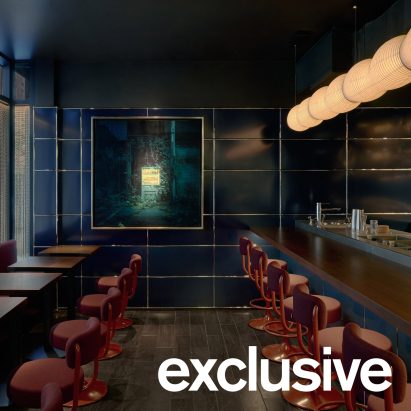
Josh Greenspan’s VV’s Cocktail Room in Manhattan uses Steel Blue USM Haller modules to define its entire compact interior.
A quiet but profound current connects recent design efforts: a deliberate engagement with material and spatial constraint as the genesis of luxury experience. These projects demonstrate a meticulous approach where existing architectural envelopes, confined footprints, or specific functional briefs are not limitations to overcome, but frameworks that necessitate a heightened precision in material selection and spatial choreography. The focus is on crafting deeply resonant tactile and spatial qualities that guide human interaction and movement within defined boundaries.
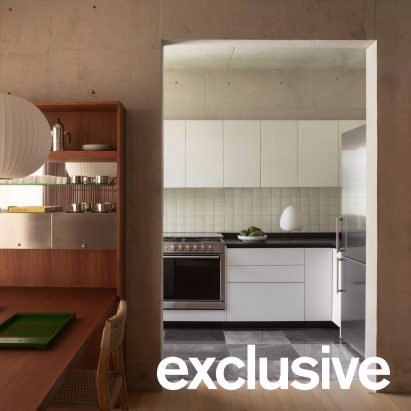
Mariel Lozano Studio’s work for San Luis, where custom furniture optimises a compact layout for tranquility, exemplifies this pivotal shift. This approach prioritises a curated experience over spatial generosity, using precision-engineered elements to define zones and subtly guide human flow. The furniture, intrinsically linked to the architecture, creates inherent spatial tension through its form and placement, ensuring every surface and volume serves a deliberate purpose. This contrasts sharply with a mainstream industry tendency to scale up or replicate established design tropes across larger, undifferentiated spaces, where human movement often feels unguided and the tactile experience is an afterthought.
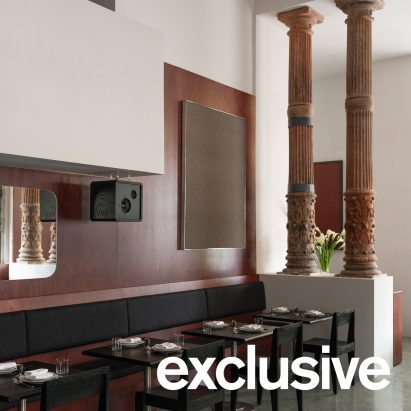
This focus on the tactile and deeply considered materiality also applies to projects like Arcane 17 by Bétyle Studio, where patinated timber and distinctive marquetry create a rich, enveloping environment within a petite eatery. The choice of such materials elevates the tactile quality of the space, inviting interaction and establishing a sense of enduring craftsmanship that transcends fleeting trends. The prevailing industry opinion often suggests that true luxury demands a constant stream of novel visual stimuli or expansive, empty spaces for grand effect. This perspective, however, overlooks the profound luxury inherent in highly calibrated, materially dense environments that foster intimacy and sensory depth. By late 2027, the most sought-after commissions in luxury interior design will increasingly be those that transform spatial constraints into opportunities for heightened material engagement and bespoke, ergonomic human flow, demonstrating a clear financial return on investment in precise craftsmanship.
The primary resistance to this meticulous, constraint-driven design stems from the economic model favouring rapid scalability and the instant gratification of visually impressive but often superficial finishes. This model encourages designers and clients alike to opt for readily available, mass-produced elements and generic spatial configurations that promise quick turnover and broad appeal. The pressure for social media shareability also deters investment in the subtle, enduring qualities of tactile materials and custom solutions, pushing instead for high-contrast, easily reproducible aesthetics that often lack depth or genuine spatial tension.
Working Interior professionals should dedicate specific project time to deeply analyze the inherent constraints of a given space—its existing structure, historical context, and natural light patterns—before considering any new elements. This analysis should then directly inform a highly curated material palette and custom fabrication brief, prioritizing a few exquisite, integrated pieces over a multitude of standalone items, focusing on how these choices guide human interaction and movement.
TL;DR
The most compelling design work now comes from meticulously crafted material experiences within defined spatial constraints.
Curated References

About this editorial — This piece was developed using AI-assisted research and curation across multiple industry sources. All analysis, opinions, and predictions represent the editorial perspective of JHDD. Sources are linked in the references section above.