JHDD Architecture Report — 2026.09.23
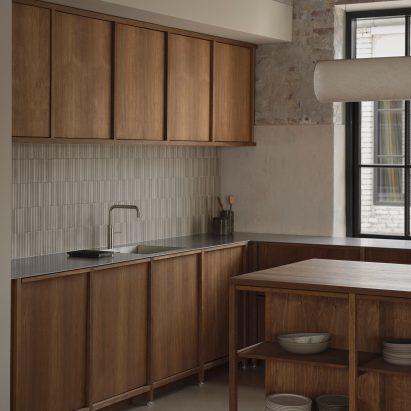
The summer 2026 installation of the Dezeen Showroom highlights Vermland’s modular oak kitchen.
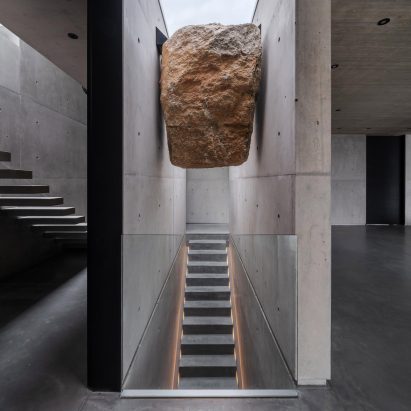
These stories collectively point towards a growing tension between accessible, materially honest design solutions and the enduring aspirations of luxury aesthetics. The prevalence of wood in multiple contexts—from Vermland’s oak kitchens to Tato Architects’ charred timber—suggests a pivot toward natural, renewable resources. Simultaneously, the critique offered by Design Everything’s “With Limitations” apartment juxtaposes this material focus with a blunt assessment of design economics and resource scarcity. The Maden Architects project, with its careful integration of landscape and light, reinforces a desire for deeper connection to context, moving beyond superficial material choices to prioritize integrated experiences.
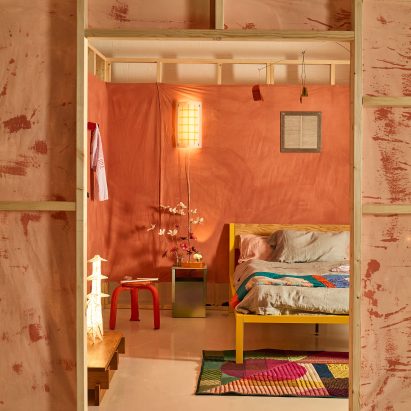
The exhibition “With Limitations” by guerrilla design collective Design Everything at Aram presents a crucial counter-narrative to prevalent industry trends. Mainstream architectural discourse often celebrates projects defined by bespoke abundance, highlighting unrestricted material palettes and ambitious scales. Design Everything deliberately challenges this by creating an entire mock apartment shaped by a lack of money, materials, and equipment. This directly contradicts the industry’s often uncritical embrace of novelty and limitless resource access, particularly visible in the aspirational projects frequently showcased in awards programs like the Dezeen Awards. True innovation is not found in designing with infinite resources, but in finding intelligent, impactful solutions within genuine constraints. This implies a reframing of value, where ingenuity derived from scarcity becomes a primary design driver. Within two years, more large-scale architectural practices will publicly integrate reuse and low-impact strategies not merely as “sustainable features” but as foundational design tenets, shifting their public narrative towards resourcefulness.
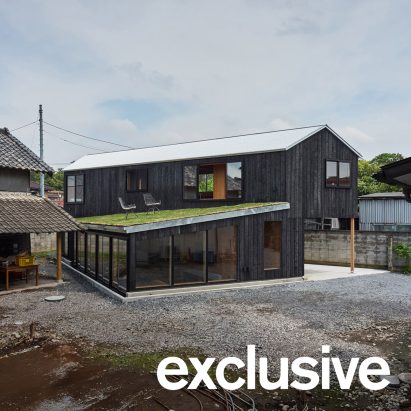
This reframing finds a practical precedent in projects such as Tato Architects’ House in Mibu. The home uses charred-timber cladding, a traditional technique that enhances durability and reduces maintenance, thereby aligning with sustainability through longevity rather than simply material origin. The structure’s modest 108-square-metre footprint, tucked into a client’s parental backyard, further exemplifies urban responsibility through thoughtful infill development rather than expansive land consumption. This demonstrates a structural philosophy where the material itself performs multiple functions beyond pure aesthetics, contributing to the building’s long-term resilience and significantly reducing its lifecycle impact. Such approaches offer a robust alternative to designs prioritizing maximal built area, often at the expense of communal space or existing urban fabric, ensuring that the building’s presence is both understated and highly efficient.
The most significant opposing force originates from established construction supply chains and entrenched client expectations for speed and predictable outcomes. Developers often prioritize standardized, easily scalable finishes over custom, locally sourced, or reclaimed materials due to perceived cost efficiencies and simpler logistics. Furthermore, architectural education, still often steeped in an aesthetic-first approach, struggles to adequately integrate the deep material and logistical intelligence required for truly responsible practice, perpetuating a gap between aspirational design and practical, sustainable execution.
This week, a working architecture professional should review the material palette for one active project. Identify one high-impact structural or finish material, such as concrete, steel, or conventional plasterboard, and research a viable, locally available, and materially honest alternative that demonstrably reduces embodied carbon or supports circularity. Document the comparative costs and benefits, even if the alternative initially presents a perceived challenge to conventional construction methods.
TL;DR
The industry must embrace material scarcity and contextual responsibility as fundamental design drivers, moving beyond aspirational aesthetics alone.
Curated References
About this editorial — This piece was developed using AI-assisted research and curation across multiple industry sources. All analysis, opinions, and predictions represent the editorial perspective of JHDD. Sources are linked in the references section above.