JHDD Interior Report — 2026.09.22
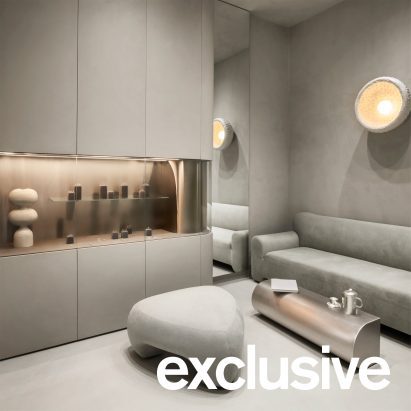
Victoria Yakusha Studio crafted a sculptural, almost monochromatic interior for the Guzema jewellery boutique in New York.
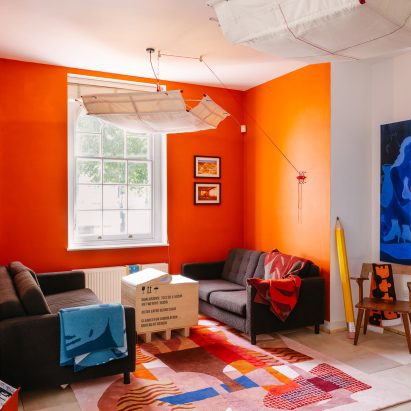
This intense focus on specific material and spatial tension, visible in the Guzema boutique’s deliberate textures, echoes through recent developments. The University of the Arts London’s Atterbury Flat invites visitors to eat and sleep surrounded by student design, creating a layered tactile and conceptual immersion. Isabel + Helen’s kinetic models at The Conran Shop emphasize movement and haptic engagement, while Fritz Hansen’s Sound Club curates domestic listening scenes, shifting attention from visual spectacle to auditory depth. These instances collectively point towards a growing industry demand for designs that engage beyond surface aesthetics, prioritizing a felt experience over a merely seen one.
The work of Victoria Yakusha, specifically her approach to the Guzema boutique, serves as a compelling case study. Her use of sculptural forms and a near-monochromatic palette is often misinterpreted by mainstream design commentary as simply minimalist or aesthetically “calm.” However, this overlooks the true power of such designs: the heightened attention paid to raw materiality and spatial friction. The deliberate lack of colour variation forces the eye and hand to contend with texture, shadow, and the subtle variations in material composition. This contradicts the conventional wisdom that sensory design primarily means adding layers of stimuli, such as vibrant colours or overt biophilic elements. Instead, Yakusha demonstrates that a subtraction of the superfluous can amplify the presence of core materials, creating a more profound tactile and emotional engagement. The design creates spatial tension not through dynamic forms alone, but by demanding a slower, more deliberate interaction with its surfaces.
This deeper engagement with materiality and the resulting human flow through a space suggests a shift away from generic experiential design. Ellie Foster’s critique regarding neurodiverse design becoming a mere “marketing ploy” is relevant here; genuine sensory consideration is not about a checklist of “calming” features but about precise, intentional spatial and material interventions. The Guzema boutique, through its almost primitive forms and tactile surfaces, prompts specific movements and an unhurried exploration. This focus on material honesty and precise sensory information will become even more pronounced. By mid-2027, luxury residential and high-end commercial projects will increasingly commission specialized “tactile zones” or “haptic corridors,” moving beyond standard material libraries to incorporate bespoke, highly varied surface treatments designed for specific psychological and physical responses, often in collaboration with material scientists.
The primary opposing force to this trend is the prevailing economic model of many large-scale developers and product manufacturers. This model often prioritizes cost efficiency and broad market appeal, leading to homogenized material palettes and predictable spatial arrangements. Design decisions are frequently driven by ease of procurement and replication rather than the specific, nuanced material and sensory qualities required for truly unique spatial tension or tactile depth. This results in products and spaces that, while visually acceptable, lack the specific friction and richness necessary for a truly felt human experience.
An interior professional should this week conduct a “material truth audit” on their current projects. Instead of relying solely on visual renders or small samples, designers must insist on larger mock-ups or physical visits to similar installations where the materials in question are used extensively. Focus the audit not on what the material looks like, but on how it feels to touch, how it absorbs or reflects sound, how it changes under different lighting conditions throughout a day, and how its presence influences the human desire to move through or inhabit a space. This practice shifts the decision-making from an abstract visual assessment to a concrete, multi-sensory evaluation.
TL;DR
Deep sensory engagement in design requires specific, intentional material and spatial choices that go beyond visual aesthetics.
Curated References


About this editorial — This piece was developed using AI-assisted research and curation across multiple industry sources. All analysis, opinions, and predictions represent the editorial perspective of JHDD. Sources are linked in the references section above.