JHDD Packaging Report — 2026.09.20
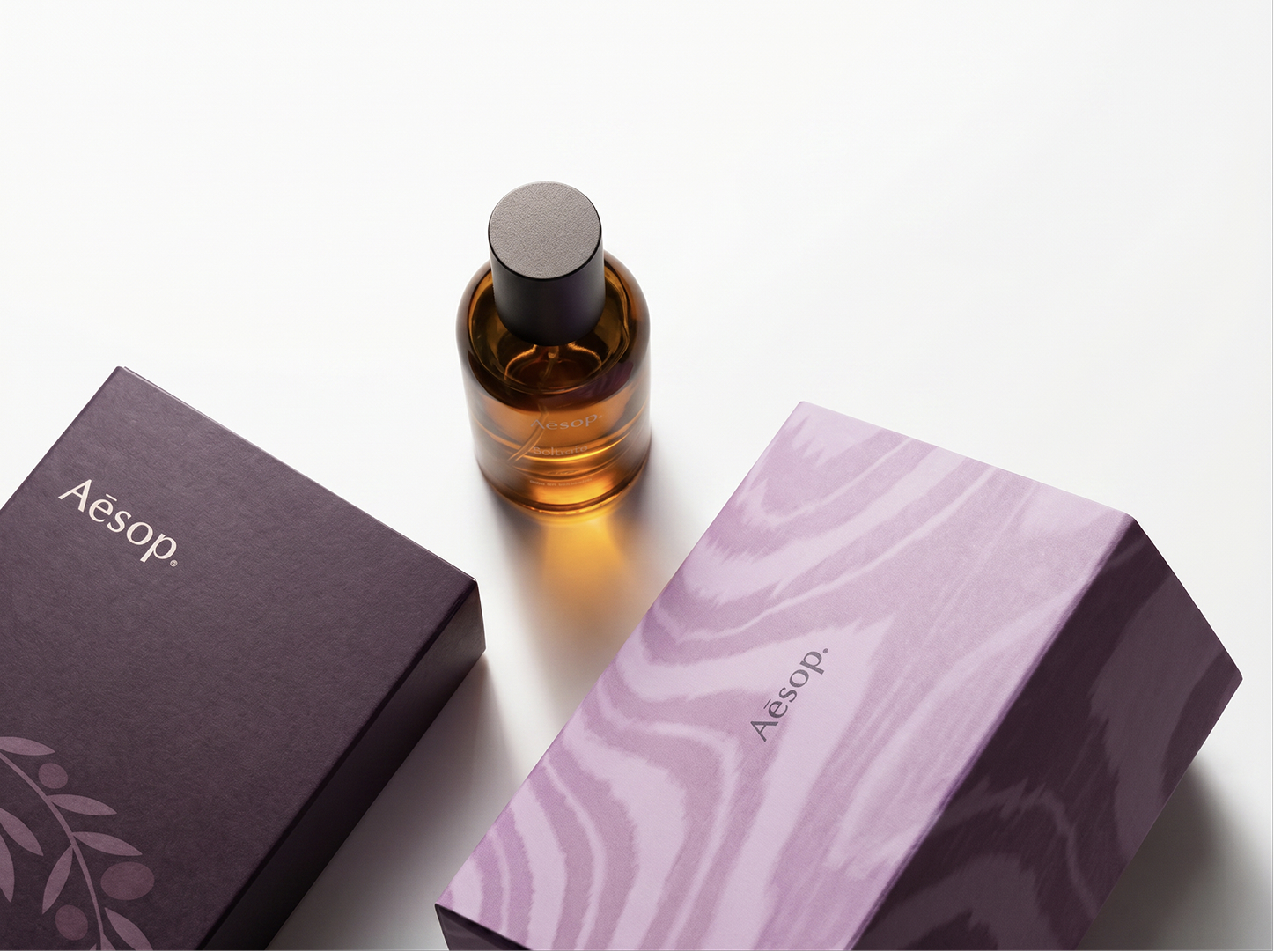
Freda Gu’s Aesop Concept ‘Eidesis’ uses layered construction and rippling water patterns to transform the act of opening a fragrance into a quiet drama.
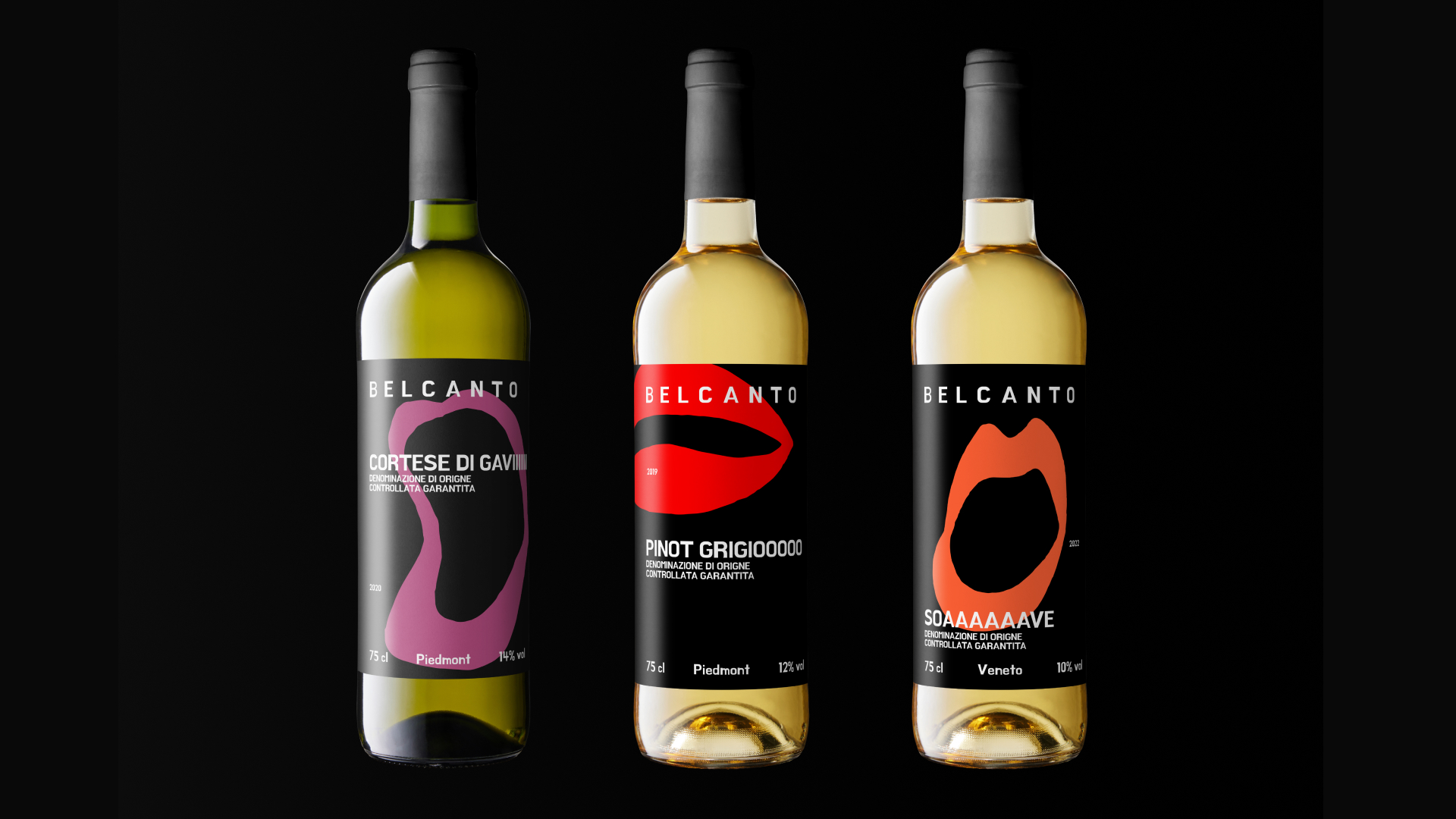
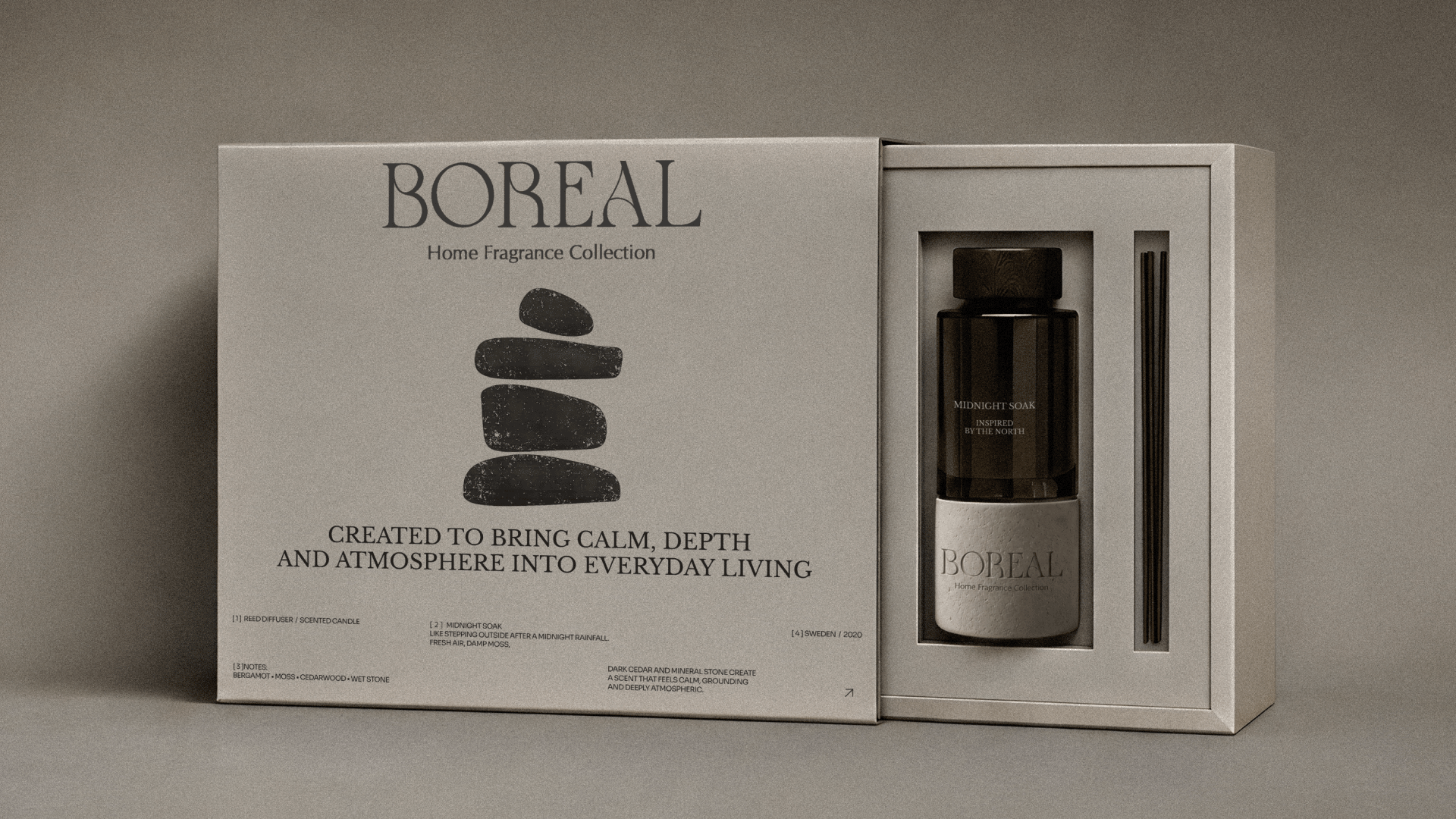
This approach, echoed in projects like Belcanto’s theatrical wine labels and Boreal’s subtle navigation symbols for home fragrance, reveals a distinct shift in packaging design. The industry is moving beyond mere shelf impact or unboxing spectacle, towards a curated, multi-sensory narrative that invites prolonged interaction and discovery. The goal is to embed meaning and perceived value through the physical experience of the package itself, fostering a deeper connection before the product is even fully revealed.
Freda Gu’s ‘Eidesis’ offers a compelling case study for this evolution. Its focus on an unfolding ritual, mirroring the myth of Narcissus, deliberately slows down the unboxing experience. This contradicts the mainstream industry obsession with speed and instant gratification in package opening, often driven by a desire for viral social media moments. While rapid reveals can generate fleeting attention, a slow, tactile journey through layered packaging builds a more profound, memorable engagement. This approach also encourages more considered material choices within each layer, pushing designers to innovate beyond single-material solutions towards composite experiences that are individually recyclable or reusable. It shifts the value proposition from the immediate visual ‘wow’ to an unfolding ‘aha’ moment.
This deliberate deceleration of the unboxing experience will redefine what constitutes effective packaging. Brands are realizing that the physical interaction can become a primary touchpoint for storytelling and brand identity. By late 2027, a significant portion of luxury and premium brands will integrate multi-layered, tactile experiences into their core packaging strategies, aiming to increase customer loyalty and reduce product returns by fostering a deeper initial connection to the item through its enclosure. This will manifest in a measurable rise in consumer-generated content that focuses on the process of opening, rather than just the final product reveal.
This strategic shift towards slower, more involved packaging experiences faces concrete resistance from logistical pipelines optimized for rapid deployment and minimalist shipping. Specifically, large-scale e-commerce operations, often driven by lean supply chain principles, continue to prioritize highly functional, low-cost packaging that reduces weight and volume. Their design mandates frequently overlook the experiential aspects, focusing instead on protection and speed, thus standardizing a less engaging customer touchpoint that undervalues tactile design.
A packaging professional can immediately implement this perspective by conducting a focused “sensory journey mapping” exercise for their current products. Instead of just mapping physical movements, explicitly identify and document every potential tactile, auditory, and visual cue a consumer encounters during unboxing. Then, prototype one simple, cost-effective modification this week – perhaps a subtle texture change, an interior print, or an unexpected fold – that extends the discovery phase by an extra three to five seconds, inviting a more deliberate interaction before product access. This re-evaluation should also consider the end-of-life implications of each layer, seeking to integrate ease of separation or reuse into the enhanced experience.
TL;DR
Packaging is evolving from instant visual impact to narrative-driven, multi-sensory experiences that deepen brand connection through deliberate interaction.
Curated References
About this editorial — This piece was developed using AI-assisted research and curation across multiple industry sources. All analysis, opinions, and predictions represent the editorial perspective of JHDD. Sources are linked in the references section above.