JHDD Packaging Report — 2026.09.19
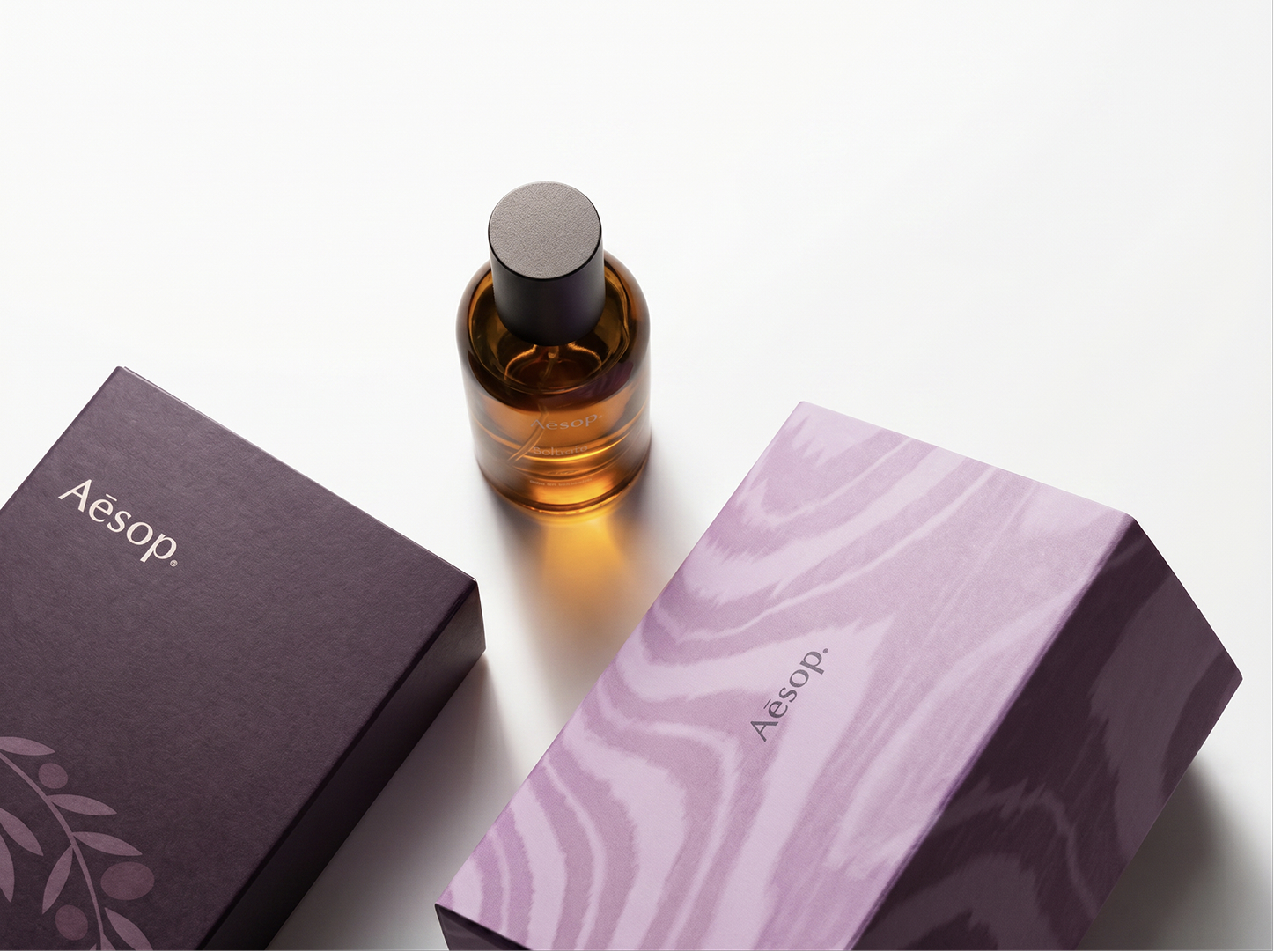
Freda Gu’s Aesop Concept ‘Eidesis’ uses layered construction to explore reflection and discovery.
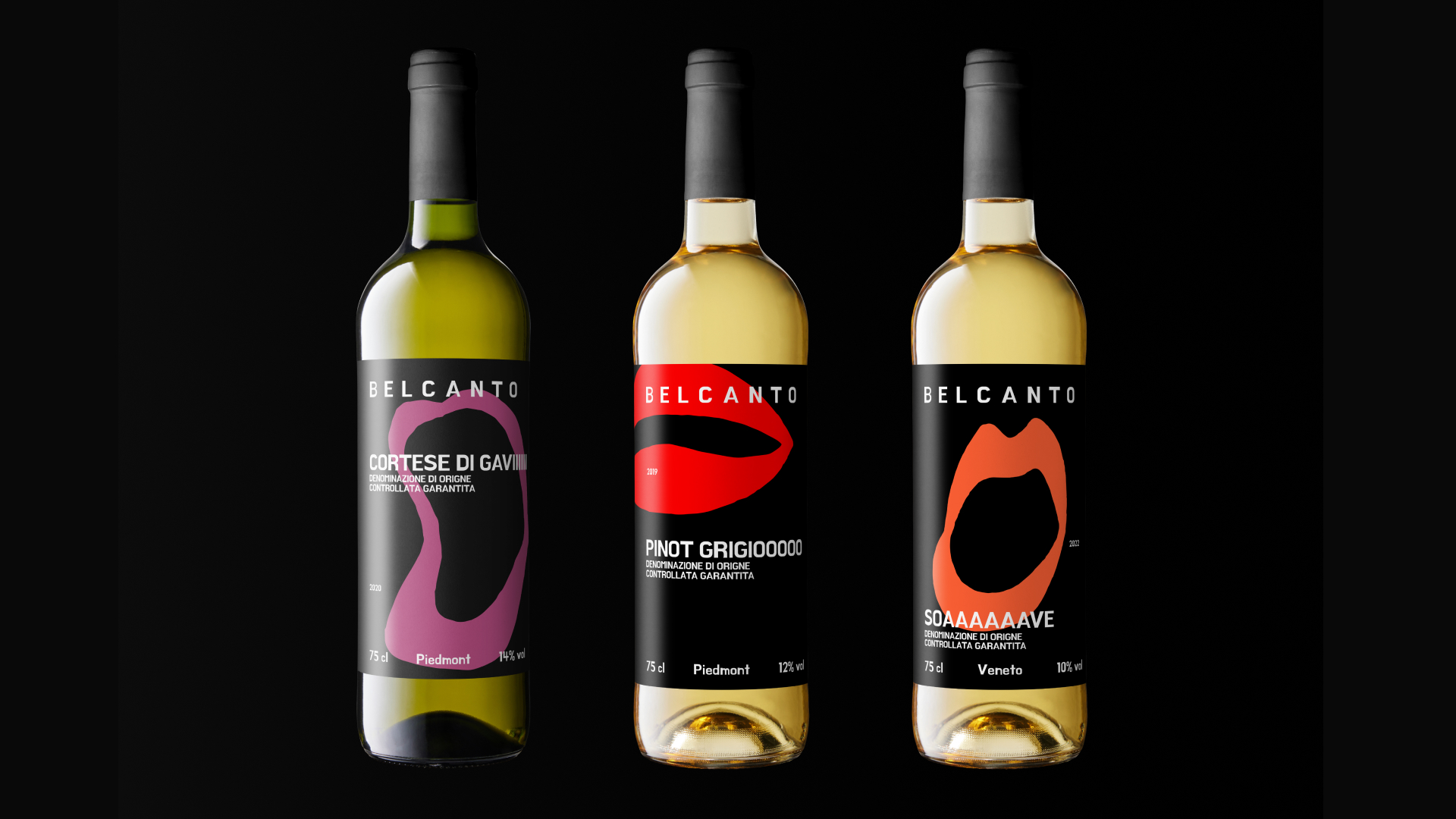
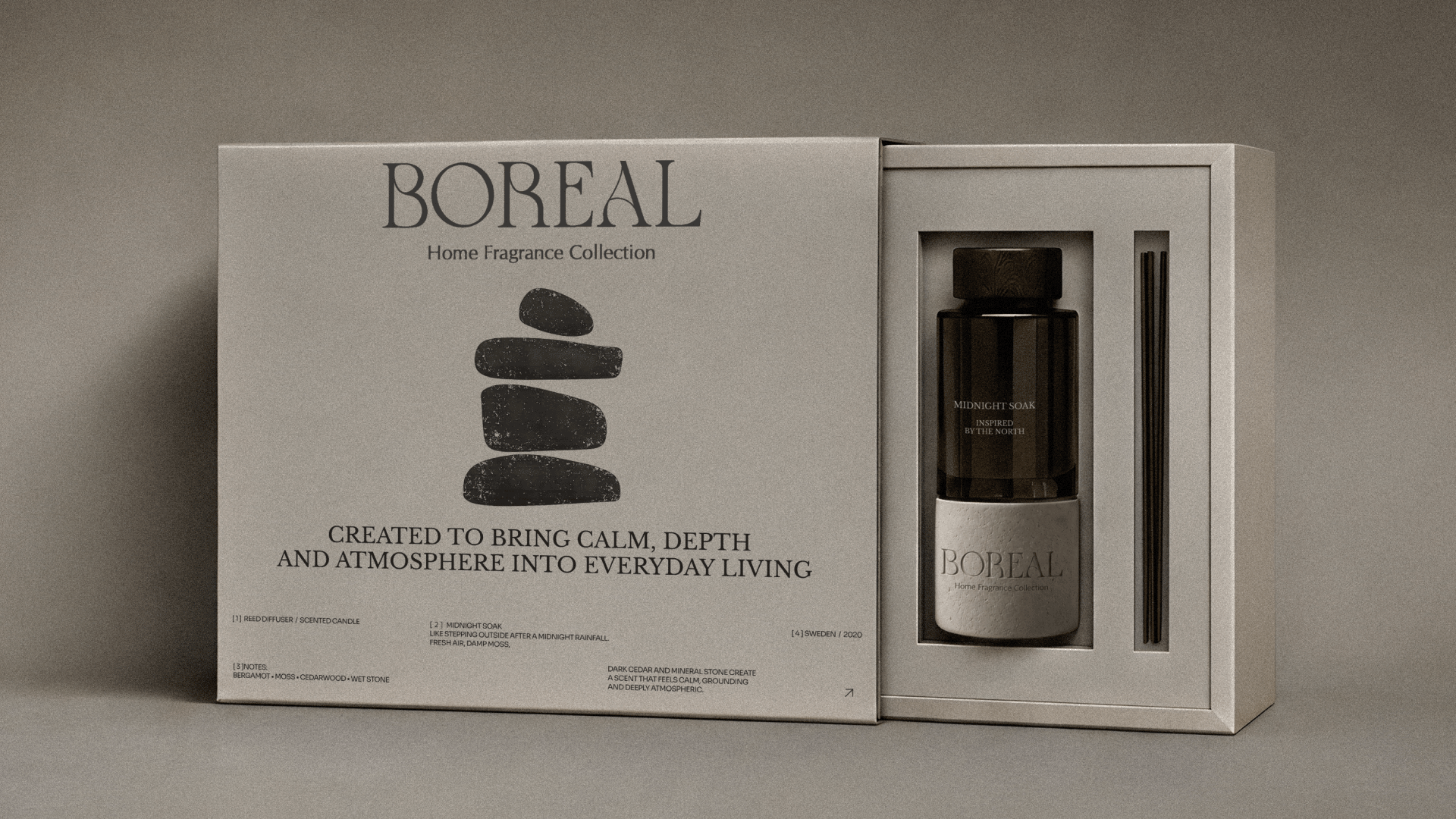
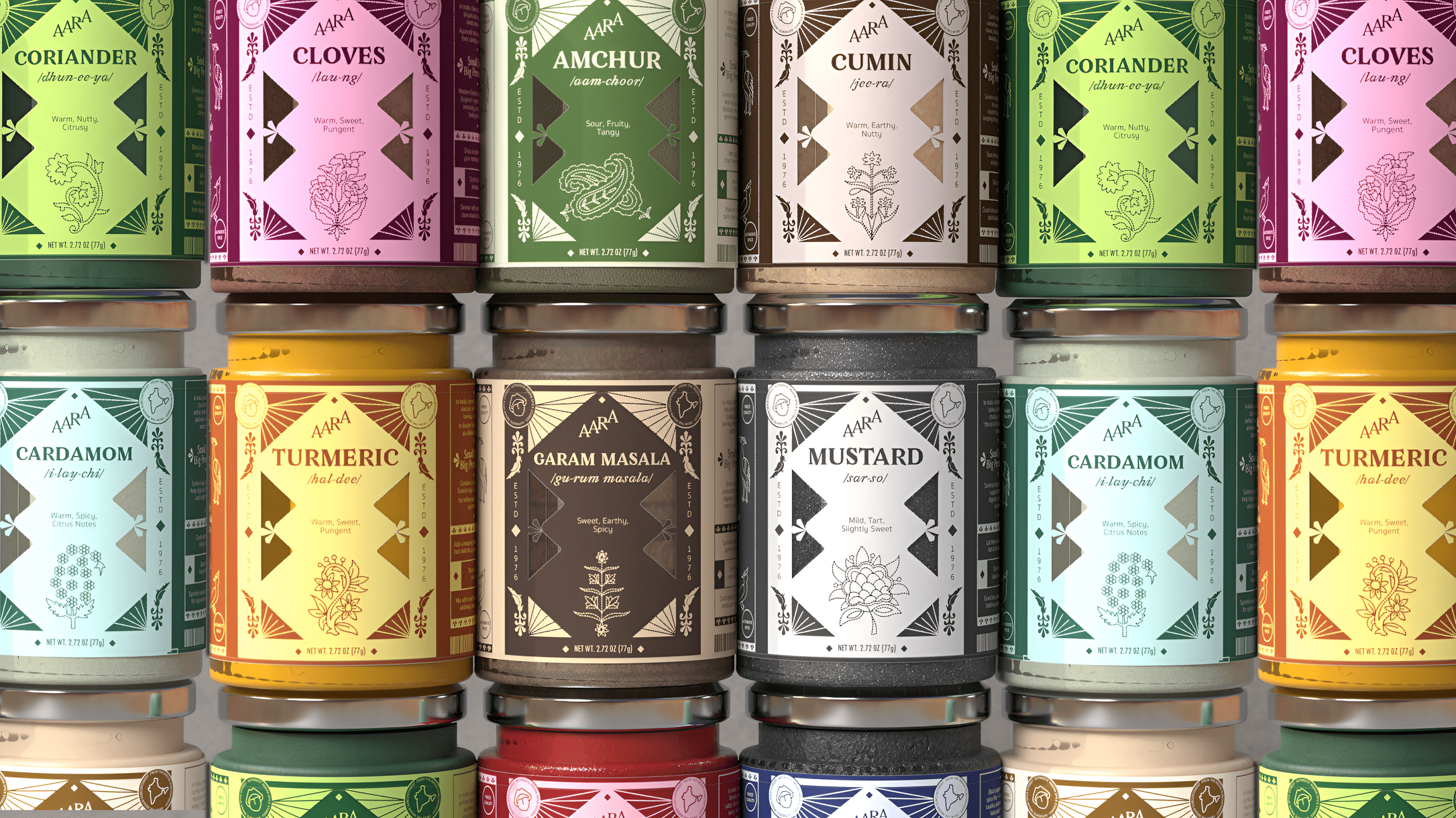
This design, alongside Belcanto’s expressive singing mouths on wine labels, Boreal’s understated home fragrance forms, and Aara’s inviting spice jar illustrations, reveals a clear industry shift. Packaging is now conceived as an unfolding narrative rather than a static container. It prioritizes sensory engagement and cultural storytelling, drawing consumers deeper into a brand’s world through tactile and visual cues that invite participation and exploration. This approach moves beyond simple product identification to foster genuine connection and curiosity, enhancing both shelf impact and the unboxing experience.
Consider Freda Gu’s Aesop Concept ‘Eidesis’, which choreographs the unboxing through rippling water patterns and layered construction. This isn’t merely aesthetic; it’s a deliberate design to evoke the myth of Narcissus, embedding discovery within the physical act of opening. Traditional industry thinking often pushes for efficiency, standardization, and immediate shelf impact driven by bold graphics or easily replicated forms. This mainstream approach, however, frequently neglects the lasting brand impression created by a multi-sensory, narrative-rich unboxing.
The perceived “complexity” or “higher cost” of intricate, narrative-driven designs like ‘Eidesis’ is frequently cited as a barrier. This view, however, underestimates the consumer’s increasing desire for depth and meaning, even in everyday purchases. Packaging professionals must recognize that true value increasingly lies in these deeper, experiential layers. Rather than solely optimizing for production speed or unit cost, designers should prioritize the emotional journey, integrating sustainable materials and tactile branding early in the process. This means investing in bespoke tactile elements, sequential reveal mechanisms, and culturally resonant storytelling. The market will see a clear bifurcation by mid-2027: brands embracing this narrative-led, immersive packaging will capture significant brand loyalty and command premium pricing, while those clinging to purely functional or overtly generic approaches will struggle to differentiate in crowded categories.
The primary opposing force to this narrative-driven approach is the entrenched industrial mindset that values bulk efficiency and cost per unit above all else. This perspective is often inadvertently reinforced by industry structures, such as the DIELINE Awards 2027 bulk entry pricing which rewards quantity over the meticulous craft and conceptual depth seen in projects like ‘Eidesis’ or Aara’s spice jars. Large-scale manufacturers and procurement departments further resist the integration of multi-material designs or complex structural forms. Their focus on material commonality, simplified supply chains, and minimal tooling investment often conflicts directly with the sophisticated tactile branding and sequential unboxing experiences that define truly immersive packaging. This resistance stifles innovation that prioritizes user experience over raw economic metrics.
A working packaging professional should this week map out the “narrative arc” of one of their current product’s unboxing experiences, from initial shelf interaction to final disposal. Identify specific points where a tactile element, a layered reveal, or a subtle storytelling cue could be introduced using sustainable materials like molded pulp, textured recycled paper, or natural fibers. This exercise must go beyond simply selecting a material; it should focus on how that material’s inherent properties and form contribute to the overall brand story and consumer engagement. Consider integrating simple, intuitive navigational symbols, similar to Boreal’s approach, to guide interaction without relying on excessive print.
TL;DR
Packaging must evolve beyond mere containment to offer immersive, narrative-driven sensory experiences.
Curated References
About this editorial — This piece was developed using AI-assisted research and curation across multiple industry sources. All analysis, opinions, and predictions represent the editorial perspective of JHDD. Sources are linked in the references section above.