JHDD Packaging Report — 2026.09.10
Beyoncé’s $1K “beykeeper collector’s box” suggests a growing willingness for consumers to invest in packaging as a standalone item, separate from the product it might contain.
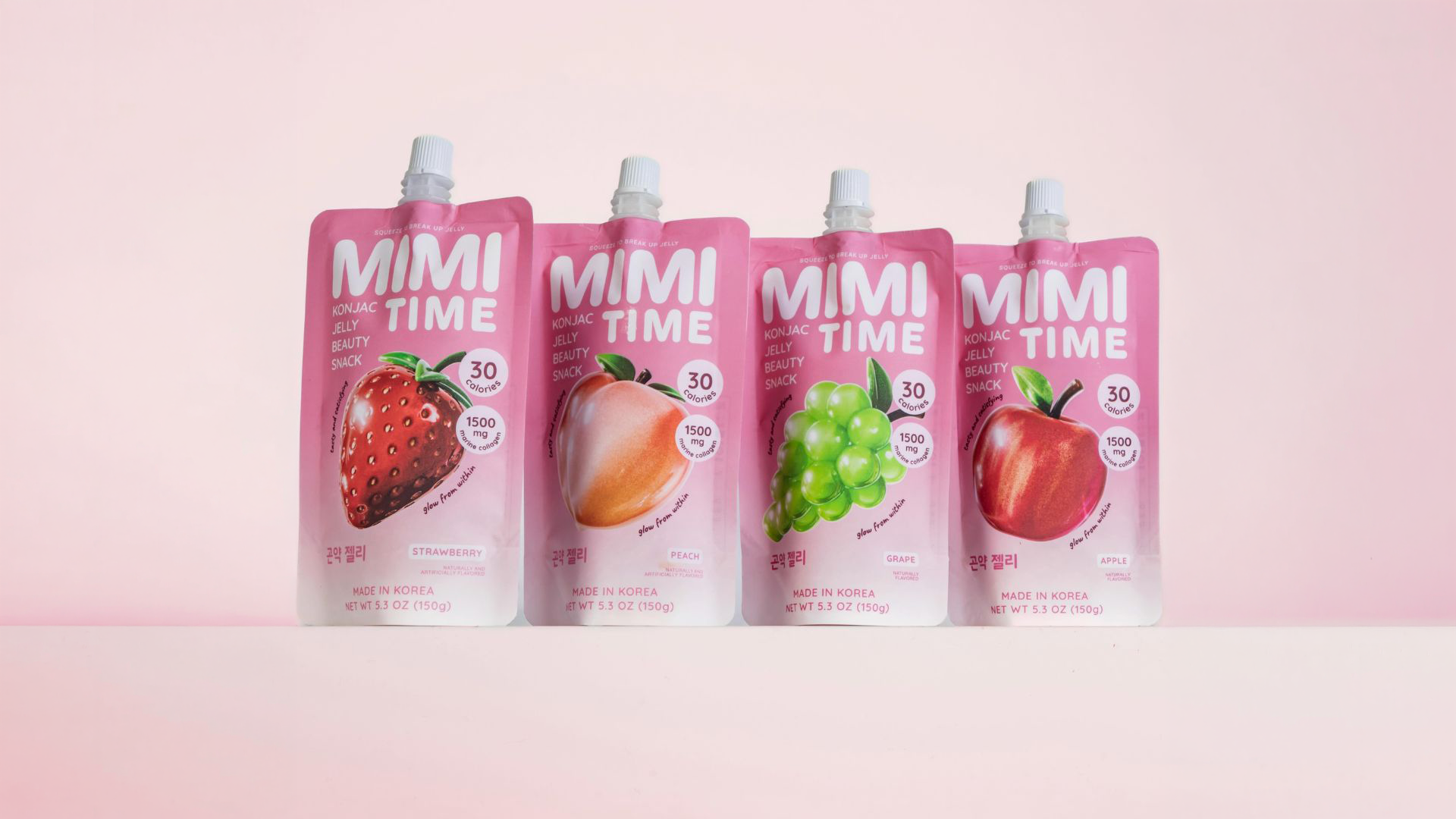
This recent collection of stories, from high-value empty boxes to modular outdoor gear and understated skincare, indicates a shift in how brands view the role of packaging. The common thread is packaging’s evolution from mere containment or superficial branding into a direct extension of brand identity and consumer experience. These examples show packaging as a functional accessory, a collector’s item, or a physical manifestation of a brand’s ethos, often leveraging tactile and experiential elements to deepen engagement beyond initial shelf appeal. Brands are designing packaging to be kept, reused, or integrated into lifestyle rather than simply discarded.
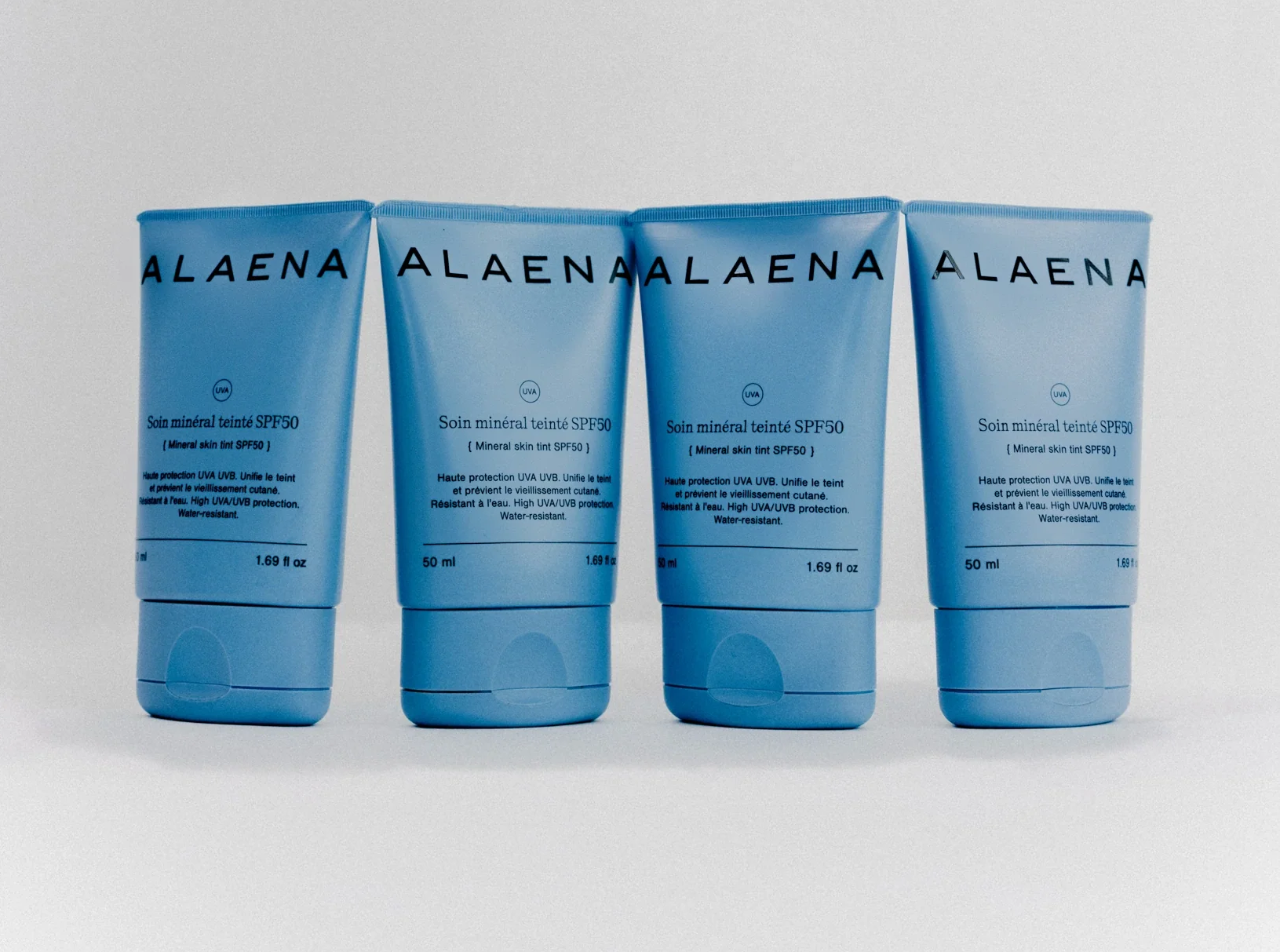
Alaena’s Skincare exemplifies this shift with its focus on “powder blue, frosted glass and beautifully restrained typography” to convey “quiet confidence.” The prevailing industry wisdom often prioritizes aggressive visual marketing and bold shelf impact to capture fleeting consumer attention in crowded categories. However, Alaena’s design strategy contradicts this by demonstrating that a deliberate, subdued aesthetic can foster a deeper, more resonant connection with the consumer. The tactile experience of frosted glass, coupled with understated visual cues, creates an unboxing ritual that aligns with the brand’s promise of inner well-being, suggesting that a sophisticated sensory experience can be more persuasive than overt visual shouts. This approach elevates the packaging itself into a functional component of the brand’s perceived value and a tool for building long-term loyalty.
The strategic use of material texture and subtle design in Alaena’s packaging signals a future where brands will increasingly invest in the material and haptic qualities of their packaging to communicate authenticity and emotional nuance. This trend extends the unboxing experience into a multi-sensory journey, creating a tangible connection between the consumer and the brand’s deeper values. This emphasis on tactile branding, rather than solely visual appeal, suggests that by mid-2027, brands will routinely explore alternative substrates, finishes, and structural designs that offer unique sensory engagement. This will manifest in a broader adoption of materials like recycled paper with visible fibers, embossed patterns, and soft-touch coatings across various consumer goods, aiming to create a more memorable and sustainable interaction.
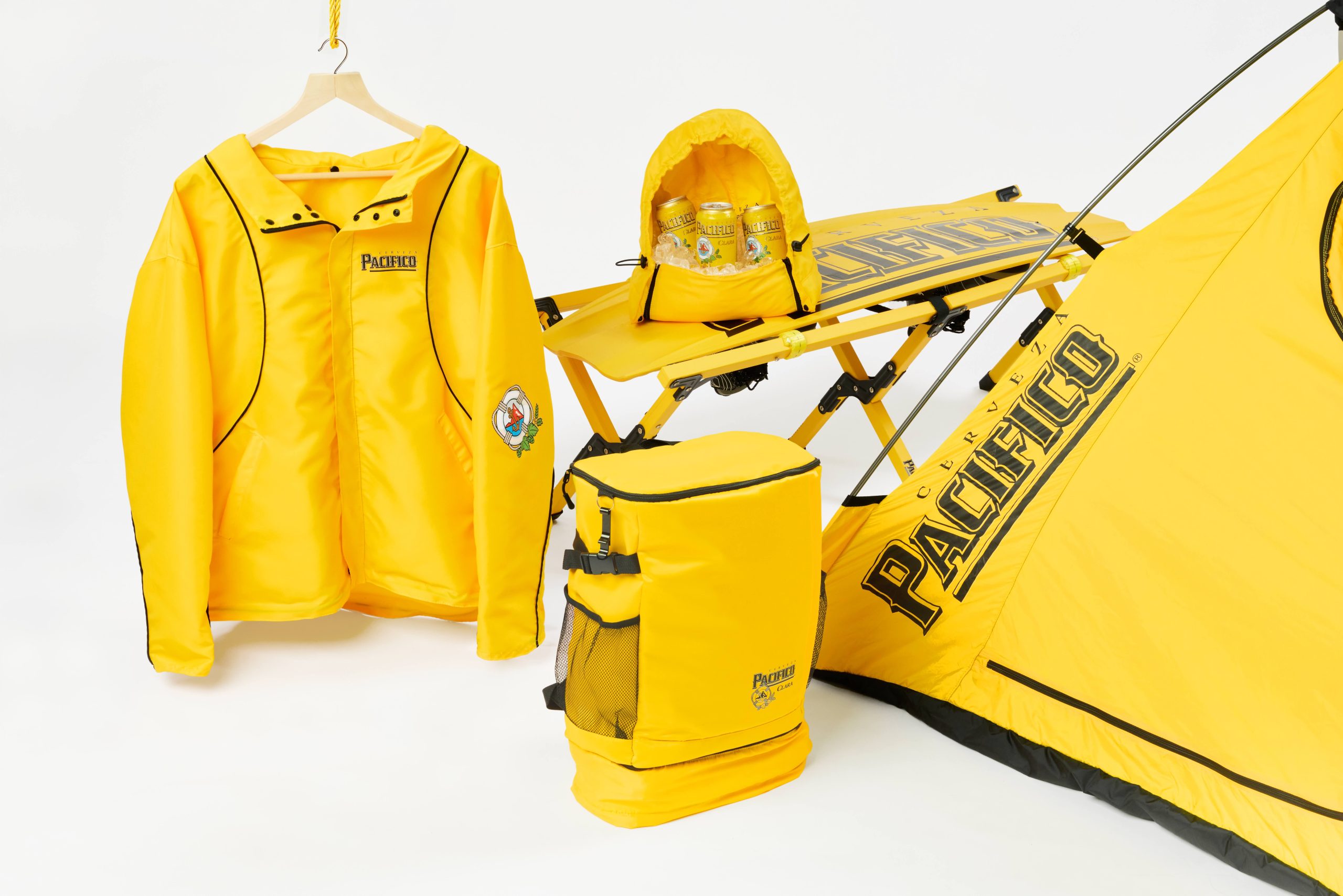
The primary resistance to this experiential and tactile packaging revolution comes from established supply chain infrastructures and ingrained corporate mindsets. Large-scale manufacturers and procurement departments often prioritize economies of scale, material commonality, and cost-efficiency above all else. Shifting to bespoke tactile materials, multi-functional structures like Pacifico’s Pacifi-Go gear, or restrained aesthetic approaches like Alaena’s requires new sourcing, different production processes, and potentially higher unit costs. Marketing teams accustomed to measuring success through immediate sales spikes driven by conventional advertising also find it challenging to quantify the long-term, subtle brand equity built through sophisticated tactile experiences.
A working packaging professional should conduct a comprehensive “sensory audit” of their brand’s current packaging portfolio within the next month. This involves not just visual analysis, but a hands-on evaluation of material weight, surface texture, opening mechanisms, and the sounds produced during unboxing. Compare this tactile experience against key competitors and against the brand’s stated values. Identify specific opportunities to integrate sustainable materials that also enhance sensory engagement, such as using uncoated recycled board for a natural feel or incorporating subtle debossing to add an element of premium tactility without added cost or complexity.
TL;DR
Packaging design now requires deeper integration of tactile experiences and brand narratives that extend product utility.
Curated References
About this editorial — This piece was developed using AI-assisted research and curation across multiple industry sources. All analysis, opinions, and predictions represent the editorial perspective of JHDD. Sources are linked in the references section above.