JHDD Architecture Report — 2026.09.09
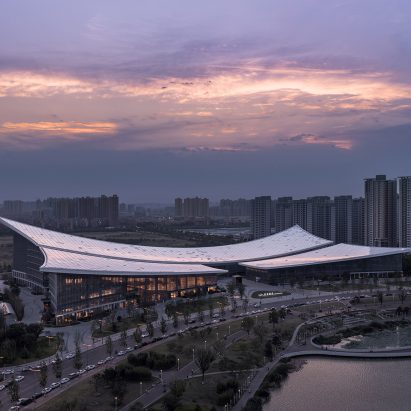
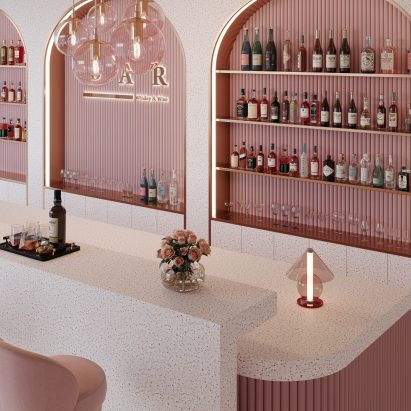
The Chang’an Academy Xi’an Public Library features a sweeping white roof informed by the pages of a book. This project, alongside the Verdure Kiosk and HIMACS Terrazzo, illustrates a prevailing industry tendency to abstract or reinterpret natural forms and traditional typologies without fully engaging their deeper material or urban implications.
Mainstream architectural discourse often celebrates projects like the Chang’an Academy Xi’an Public Library for their monumental scale and ambitious forms, positioning them as catalysts for “connections between people and the city.” This view, however, overlooks how easily grand architectural statements can become dislocated from their immediate human context and material reality. True urban responsibility is not found in creating new iconic symbols. It resides in robustly integrating structure and program into existing urban flows. A genuinely responsive urban intervention prioritizes permeable ground conditions, local material sourcing, and adaptive functionality over a singular, distant spectacle. By mid-2027, the industry will begin to question the long-term efficacy of these large-scale symbolic projects in favor of distributed, community-embedded interventions.
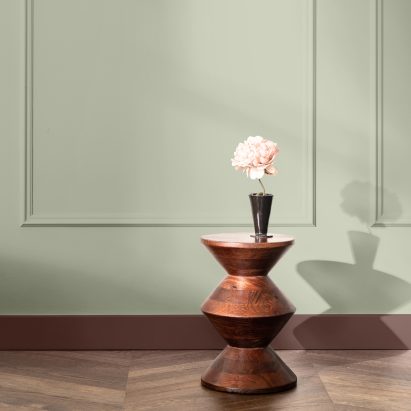
Another conventional perspective praises initiatives like Dulux’s Soulful Sage as connecting occupants to nature. This framing of “nature” as a marketable color shade misses the true challenge for responsible design. Material innovation is not about aesthetically mimicking natural textures or colors with new synthetic surfaces like the five new colourways of HIMACS Terrazzo. True material honesty demands a rigorous focus on the embodied energy, lifecycle transparency, and circularity of materials, whether they are new composites or reimagined traditional ones. The Red Dot Design Award 2026 for HIMACS Terrazzo recognizes aesthetic reinterpretation, but the deeper architectural question remains: what does it do for the urban fabric or environmental footprint beyond its surface? Within two years, the industry will pivot from aesthetic mimicry to demand explicit data on material provenance and end-of-life cycles.
The primary opposing force to this deeper integration is an awards system, exemplified by the AIA South Korea 2026 Design Awards, that often prioritizes photogenic outcomes and novel forms. While promoting “contextual sensitivity” and “architectural innovation,” such systems can inadvertently reward formal spectacle and the pursuit of newness over the less glamorous but more impactful work of deeply integrated, long-term urban responsibility and material rigor.
A working architecture professional should, this week, meticulously interrogate the full life cycle of every material specified, from extraction to disposal, demanding transparent data sheets from manufacturers rather than relying solely on aesthetic samples or brand narratives.
TL;DR
The architectural industry prioritizes symbolic gestures and aesthetic trends over deep material honesty and integral urban responsibility.
Curated References
About this editorial — This piece was developed using AI-assisted research and curation across multiple industry sources. All analysis, opinions, and predictions represent the editorial perspective of JHDD. Sources are linked in the references section above.