JHDD Interior Report — 2026.09.06
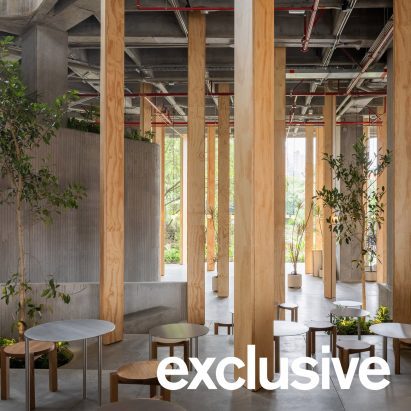
Studio Cadena’s Masa cafe in Medellín uses 31 towering wooden columns to create an atmosphere without walls or enclosure.
This singular approach, seen across recent projects, reveals a deeper exploration of spatial definition and sensory engagement. Designers are moving beyond the mere arrangement of objects within a defined envelope; they are actively sculpting the air, light, and paths of movement. This trend highlights a shift towards environments that communicate narrative and purpose through their inherent structural and material qualities, rather than through applied aesthetics. It is a design philosophy focused on the felt experience of a space.
Studio Cadena’s work at Masa cafe exemplifies this re-evaluation of spatial tension. The firm employs a grid of 30 plywood columns, not as structural necessities, but as atmospheric devices. This contradicts the conventional wisdom that functional clarity and open sightlines are paramount for commercial hospitality. Instead, these columns introduce a deliberate visual rhythm and a fragmented sense of privacy, compelling patrons to navigate and perceive the space differently. The “forest-like” quality suggests a deliberate ambiguity in boundaries, fostering a sense of discovery that is often lost in overtly prescriptive layouts. This design acknowledges that human flow is not simply about efficiency, but about the quality of movement and interaction within an environment.
The tactile quality of the plywood, combined with the raw concrete ceiling, further underscores this experiential focus. It avoids the polished, often sterile, finish prevalent in many contemporary cafes, opting instead for an honest materiality. This tactile emphasis serves to ground occupants, engaging their senses beyond the purely visual. By late 2028, leading luxury hospitality projects will adopt similar non-prescriptive spatial definitions, prioritizing psychological comfort and sensory intrigue over maximal capacity or overt brand messaging. These spaces will increasingly integrate materials with inherent narratives and deep textural qualities.
This movement towards layered, sensory-rich environments faces resistance from the persistent demand for scalable, replicable designs driven by corporate rollouts and quarterly earnings. The push for streamlined aesthetic conformity across multiple locations often prioritizes brand consistency over site-specific material authenticity or unique spatial narratives. Furthermore, the reliance on rapid trend cycles, often amplified by visual-first social media platforms, can superficialize design intent, favoring easily digestible imagery over profound embodied experiences.
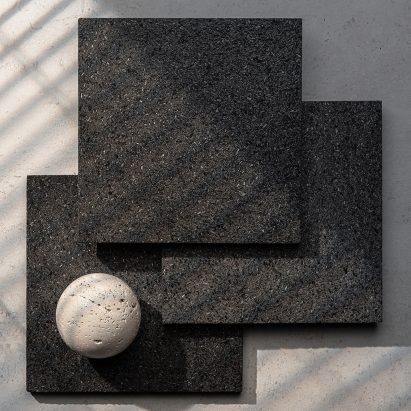
Interior professionals should begin specifying materials not just for their aesthetic appeal or performance metrics, but for their inherent story and sensory contribution. For example, when considering a wood finish, move beyond species and stain. Explore its origin, its cut, and how its grain or texture will invite touch and reflect light throughout the day. Investigate how elements like Elementic’s MO6, with its rough, off-black carbon texture, can introduce an unexpected haptic dimension and a robust ethical narrative, directly challenging assumptions about what constitutes a “finished” surface. This week, identify one material in a current project and research its full lifecycle and tactile potential beyond its immediate visual impact.
TL;DR
Meaningful spatial experiences emerge from deeply considered materiality and atmospheric definition, not just superficial aesthetics.
Curated References
About this editorial — This piece was developed using AI-assisted research and curation across multiple industry sources. All analysis, opinions, and predictions represent the editorial perspective of JHDD. Sources are linked in the references section above.