JHDD Interior Report — 2026.09.05
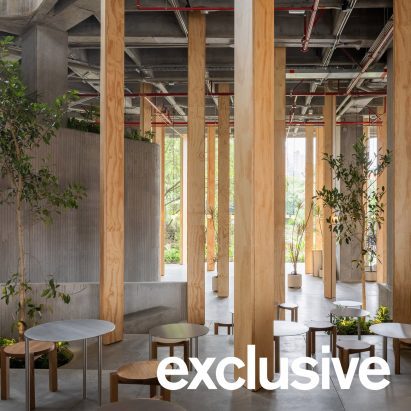
Studio Cadena’s Masa cafe features 31 towering wooden columns that create an interior forest.
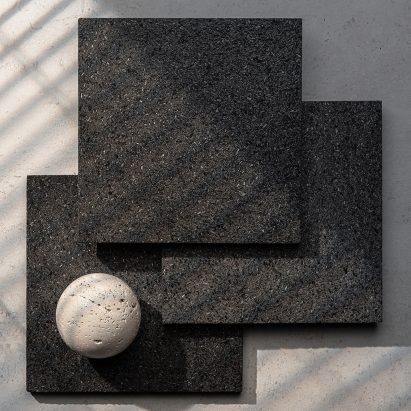
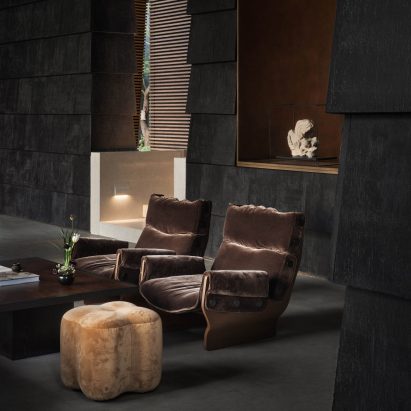
These projects, from Elementic’s carbon-storing MO6 material to Bin Wu’s philosophical approach, quietly push against the industry’s ingrained pursuit of overt comfort and frictionless experiences. They collectively hint at a subtle re-evaluation of how friction, texture, and deliberate spatial transitions can enrich human interaction within constructed environments. This indicates a shift towards spaces that demand a more active engagement from occupants, rather than passive consumption.
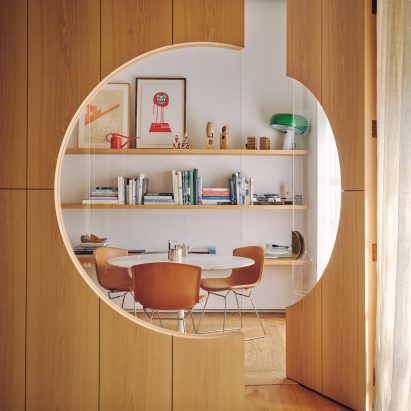
Piercy & Company’s Apartment 21 in London integrates a mysterious curved corridor. This detail is an intentional choice; it forces a slower pace, introduces an element of the unexpected, and intentionally disrupts the direct visual lines often prioritized in contemporary luxury design. The prevailing industry belief states that smooth transitions and open sightlines are paramount for ease of navigation and a sense of expansiveness in high-end projects. This view misses how carefully controlled spatial tension, like that created by Piercy & Company’s corridor, can generate intrigue and enhance memory, transforming a transient path into a destination in itself. Such deliberate friction can deepen the tactile and cognitive experience, a quality often sacrificed for immediate, superficial appeal.
By mid-2028, design briefs for high-end residential and hospitality projects will increasingly specify elements that introduce controlled spatial friction, leading to a measurable increase in the use of obscured views, non-linear circulation paths, and textured wall treatments designed to be touched.
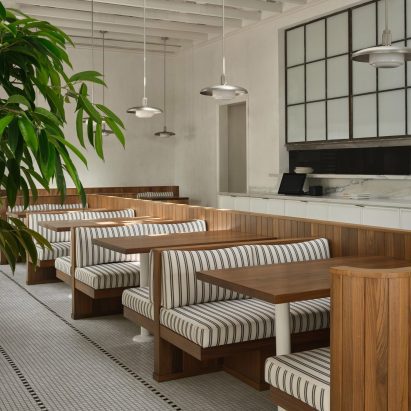
The primary opposing force to this nuanced approach remains the commercial imperative for rapid user flow and perceived efficiency, often driven by retail and fast-casual dining models like Goop Kitchen Del Mar, where quick, predictable experiences are prioritized for brand consistency and high turnover. The current real estate development cycle also resists design complexity that might extend construction timelines or perceived market risk.
Interior professionals should this week revisit their material palettes, specifically introducing at least one element with a pronounced, unconventional tactile quality, like the rough texture of Elementic’s MO6 tiles, into a current design presentation. This practice moves beyond visual aesthetics to consider the haptic dialogue a space offers.
TL;DR
The most compelling new designs engage occupants through deliberate spatial friction and tactile materiality, challenging conventional smooth efficiency.
Curated References
About this editorial — This piece was developed using AI-assisted research and curation across multiple industry sources. All analysis, opinions, and predictions represent the editorial perspective of JHDD. Sources are linked in the references section above.