JHDD Interior Report — 2026.09.04
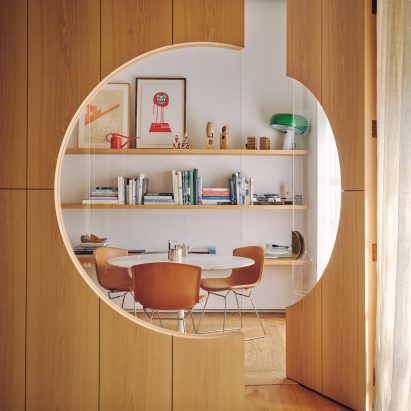
Piercy & Company’s Apartment 21 employs a mysterious curved corridor, a singular detail that immediately dictates a certain human flow and tactile engagement.
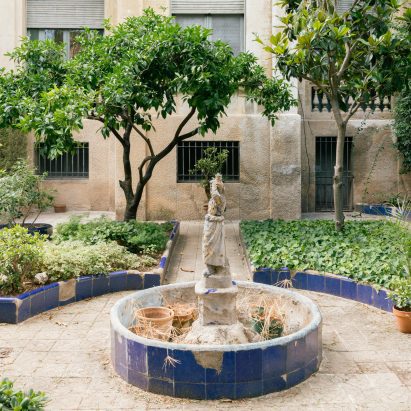
These recent projects, from H3O’s heritage renovation in Barcelona to Lauri Design Studio’s Michigan lake house, consistently demonstrate an emphasis on intricate layering within existing spatial frameworks. They prioritize the creation of unique sensory experiences through tailored materiality and deliberate circulation, rather than focusing on broad aesthetic statements or complete spatial overhaul. The connecting thread is a quiet assertion of intimate, site-specific narratives over generic luxury templates.
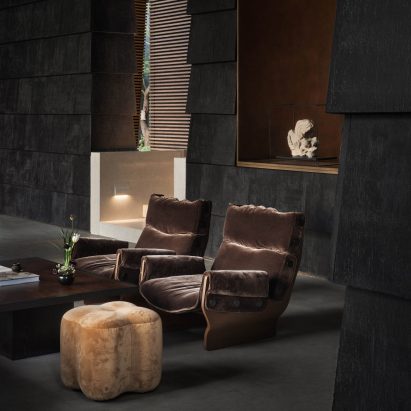
Bin Wu’s work, particularly his philosophical approach articulated in “Timeless East,” offers a valuable counterpoint to the prevalent industry obsession with novel forms or imported trends. The mainstream often equates design innovation with visual distinctiveness, seeking to impress through immediate aesthetic impact. Wu, however, demonstrates how a design language “articulated by the East itself” deepens spatial tension through subtle material interactions and a considered dialogue with cultural context. This contradicts the conventional wisdom that global luxury must present a universal, often minimalist, face to appeal to a diverse clientele. Instead, his work suggests profound regional specificity creates a richer, more enduring sense of luxury. His projects demonstrate that genuine tactile quality emerges from materials chosen for their inherent properties and how they age within their specific environment, influencing human flow through their inviting or delineating presence.
The focus on the inherent qualities of local materials and the nuanced crafting of space, as seen in Wu’s work, will grow significantly more influential. By mid-2027, the market for bespoke, regionally sourced finishes will surpass the demand for mass-produced, globally branded luxury materials in high-end residential and hospitality projects. This shift will require designers to deepen their material research and engage more directly with local artisans. The spatial tension in these designs will not derive from stark contrasts but from a delicate balance between new interventions and the existing character, guiding human movement through implied rather than explicit pathways.
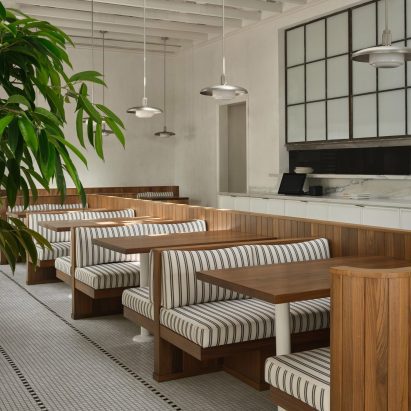
This deeper, more contextual approach faces resistance from the prevailing forces of brand-driven design, exemplified by the Goop Kitchen Del Mar collaboration. Here, the priority appears to be the translation of a lifestyle brand’s image into a physical space, where materiality and spatial flow serve as extensions of marketing rather than originating from a site’s intrinsic character. The immediate need for recognizable branding can often overshadow the careful calibration of tactile quality and genuine human experience, favoring instead a superficial aesthetic tied to commercial identity.
An interior professional can immediately begin by conducting a deep material audit of their current projects, identifying opportunities to substitute globally generic elements with locally sourced, culturally resonant alternatives. This means investigating local quarries, timber yards, or artisan workshops before defaulting to international suppliers. Furthermore, they should critically analyze their spatial plans not just for functionality, but for how existing architectural features and chosen materials create specific tactile experiences and subtly guide human movement, enhancing or disrupting the sense of natural flow.
TL;DR
Nuanced, context-driven materiality and spatial tension are eclipsing generic luxury aesthetics, demanding deeper designer engagement with site-specific qualities.
Curated References
About this editorial — This piece was developed using AI-assisted research and curation across multiple industry sources. All analysis, opinions, and predictions represent the editorial perspective of JHDD. Sources are linked in the references section above.