JHDD Architecture Report — 2026.09.02
Fragmentos rehabilitated a former plastics shop, Mitera, into the Junqueira 307 Apartments in Lisbon.
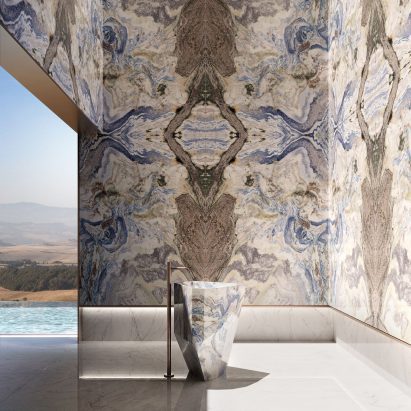
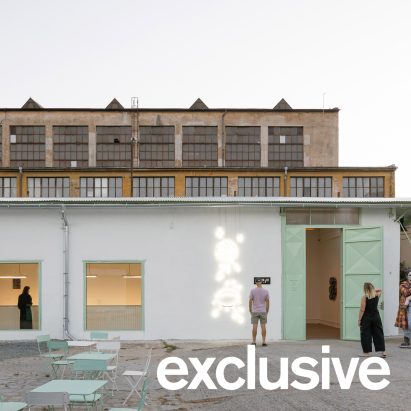
This specific project, alongside the transformation of the Šmeral Art Factory by KOGAA and the presentation of Antolini’s Pangea Blue marble, reveals a widespread yet understated architectural tension. This tension exists between the desire for unique material expressions or novel technological solutions and the imperative to engage thoughtfully with existing urban fabrics and material legacies.
Fragmentos’ work on Junqueira 307 Apartments exemplifies a structural philosophy that prioritizes urban continuity and embedded material value. The conversion of a disused plastics shop into residential units on Rua da Junqueira directly contradicts the mainstream industry’s often uncritical embrace of demolition for perceived efficiency. The conventional approach frequently dismisses existing industrial structures, viewing them as impediments to modern residential demands. However, Fragmentos demonstrates that the true sustainability metric extends beyond green building certifications for new construction; it fundamentally includes the preservation of the immense embodied energy locked within existing forms. This contrasts sharply with a focus on introducing new, singular material statements like Antolini’s Pangea Blue marble, with its intense cobalt blue patterning. While such materials celebrate geological beauty, their inherent value to a project’s lifecycle and urban integration is often less profound than the sustained utility of an existing structure.
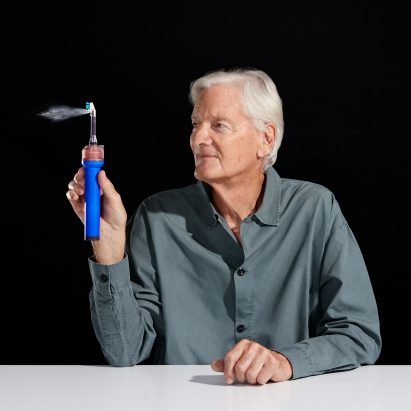
This engagement with an existing building’s history and materiality fosters a deeper urban responsibility than projects focusing on purely novel technological additions. The Dyson CameraJet toothbrush, with its camera-directed mouthwash jet, highlights a pervasive belief that adding layers of complex technology inherently equates to progress. In architecture, a similar impulse can lead to superficial solutions rather than fundamental re-evaluations of resource use. A truly innovative architectural approach identifies and unlocks the latent potential in neglected urban assets through thoughtful intervention, much like KOGAA’s transformation of the Šmeral Art Factory with its mint-green metal facade. It is predicted that by mid-2028, municipal planning departments in established urban centers will introduce mandatory “embedded energy offset” clauses for any new construction exceeding a specified footprint, thus incentivizing adaptive reuse over new builds and prioritizing material conservation.
This nuanced approach, prioritizing the preservation of embedded energy and urban continuity, faces resistance primarily from speculative developers operating on short-term financial models. These entities frequently view existing structures as liabilities rather than assets, opting for complete demolition to maximize new build density and project turnover. This economic pressure often overshadows the long-term benefits of contextual integration and sustainable material practices.
Working architecture professionals should initiate a preliminary structural assessment of at least one underutilized light industrial or commercial building within their immediate urban context before the end of 2026. This assessment should specifically evaluate the feasibility of its conversion into multi-unit residential housing, identifying potential challenges and opportunities irrespective of current zoning regulations.
TL;DR
Meaningful urban responsibility lies in preserving embedded material energy through adaptive reuse, challenging new construction paradigms.
Curated References
About this editorial — This piece was developed using AI-assisted research and curation across multiple industry sources. All analysis, opinions, and predictions represent the editorial perspective of JHDD. Sources are linked in the references section above.