JHDD Branding Report — 2026.09.01
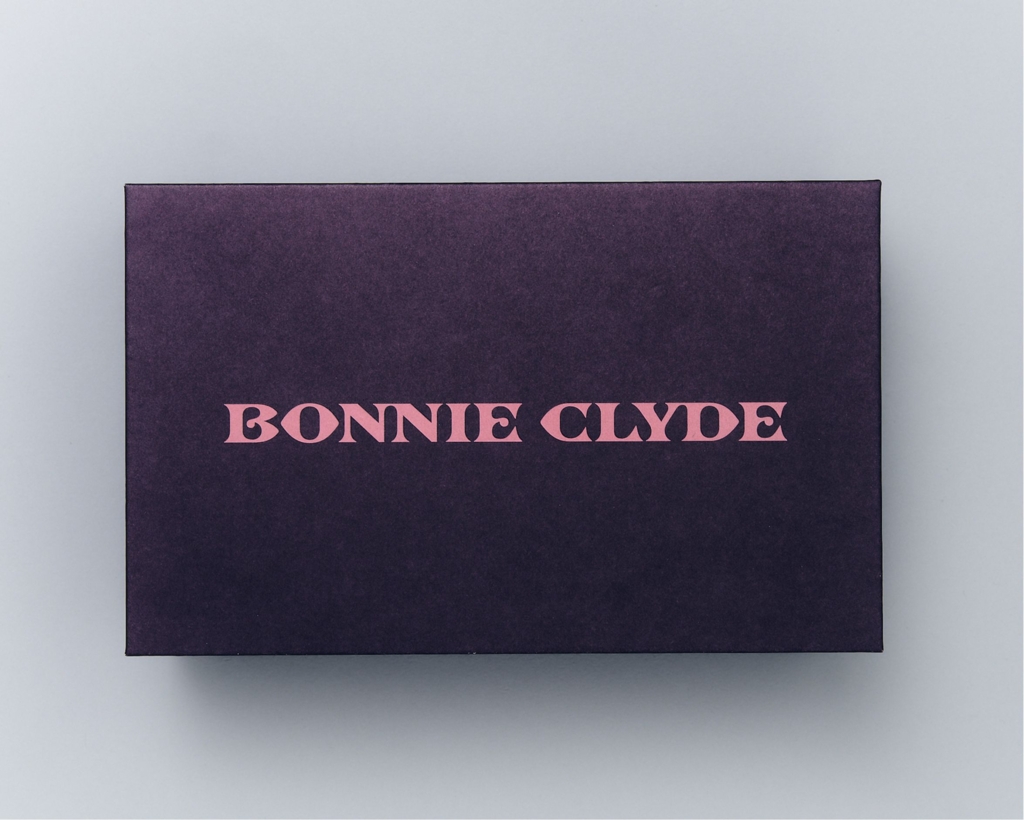
Mouthwash Studio’s identity for Bonnie Clyde eyewear deliberately mixes “antiquey” visuals with “half-arsed girly girly” elements, creating a look that is “infuriatingly historically inaccurate” yet “ultimately rather lovely.” This apparent contradiction signals a strategic departure from simplistic clarity in branding.
A specific pattern connecting recent brand identity projects is the embrace of deliberate complexity, nuanced restraint, or deeply specific heritage, often challenging the traditional demand for immediate legibility. These brands are finding power in sophisticated cultural signals that build equity beyond surface-level understanding.
The prevailing industry notion that successful branding must be instantly digestible and “brave” often leads to generic, forgettable outcomes. Bonnie Clyde, despite its “historically inaccurate” mix, gains cultural resonance precisely because it defies easy categorization. It cultivates a distinct market positioning by signaling a sophisticated playfulness, rewarding a more engaged audience. This challenges the mainstream opinion that brand equity is solely built on linear historical accuracy or universal clarity. Similarly, Perky Bros’ work for Southall, a resort set across 325 acres outside Franklin, demonstrates that “restrained Southern hospitality” can be more powerful and build deeper equity than conventional “shouty branding.” The strength lies in contextual appropriateness, not universal loudness.
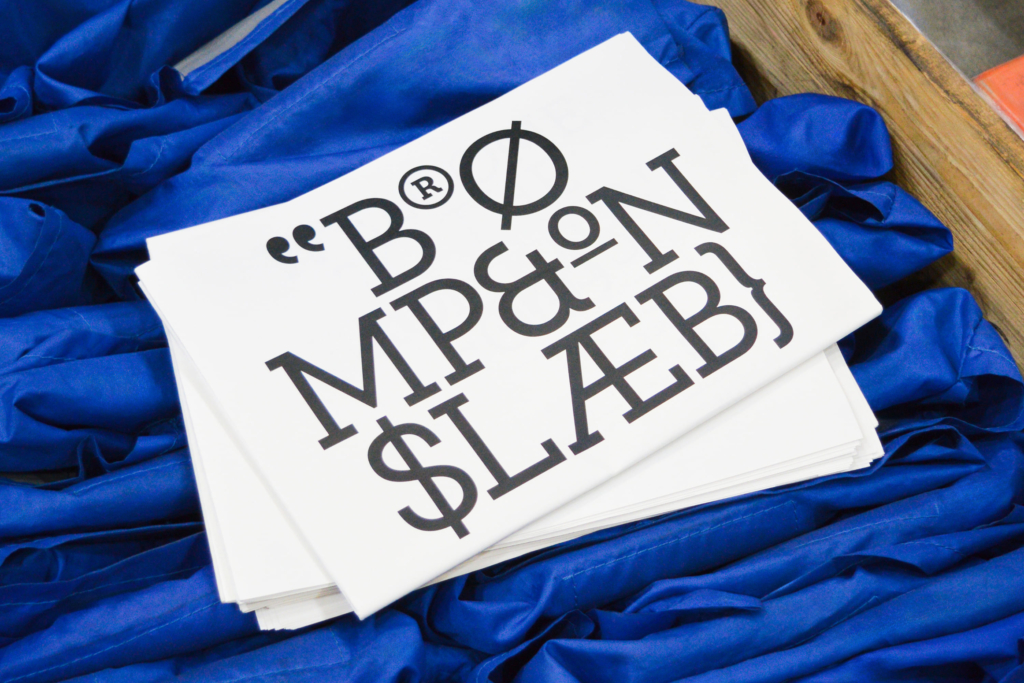
This trend is not a slide into visual chaos, but rather a move towards controlled divergence. Studio Blackburn’s new identity for Brompton cements the folding bike’s “British engineering heritage.” Even heritage, however, can be interpreted and presented with strategic elasticity. The idea that brand consistency means strict adherence to a single, monolithic historical truth or a universally understood aesthetic is losing relevance. Instead, brands are developing adaptive visual identities that interpret their story or contemporary culture with greater nuance. By mid-2028, more global brands will implement visual identity systems designed to be read differently by various subcultures, intentionally featuring elements that might appear contradictory to an outside observer but hold specific meaning for target audiences.
The primary opposing force to this evolution in brand identity comes from established brand governance models and the short-term ROI metrics that reward immediate recognition over deep cultural immersion. Risk-averse marketing departments and procurement processes often push for homogenized solutions, preferring what is perceived as “safe” and universally understood.
A branding professional should, this week, reframe discussions around “brand clarity” in client briefs. Instead of prioritizing instant, universal legibility, advocate for “purposeful distinctiveness.” Design and present visual identity systems that offer layers of meaning and reward deeper audience engagement, utilizing specific cultural cues that resonate with nuanced understanding rather than broad, generalized appeals.
TL;DR
Brands are building equity through strategic complexity and cultural nuance, moving past simplistic calls for boldness.
Curated References



About this editorial — This piece was developed using AI-assisted research and curation across multiple industry sources. All analysis, opinions, and predictions represent the editorial perspective of JHDD. Sources are linked in the references section above.