JHDD Packaging Report — 2026.08.31
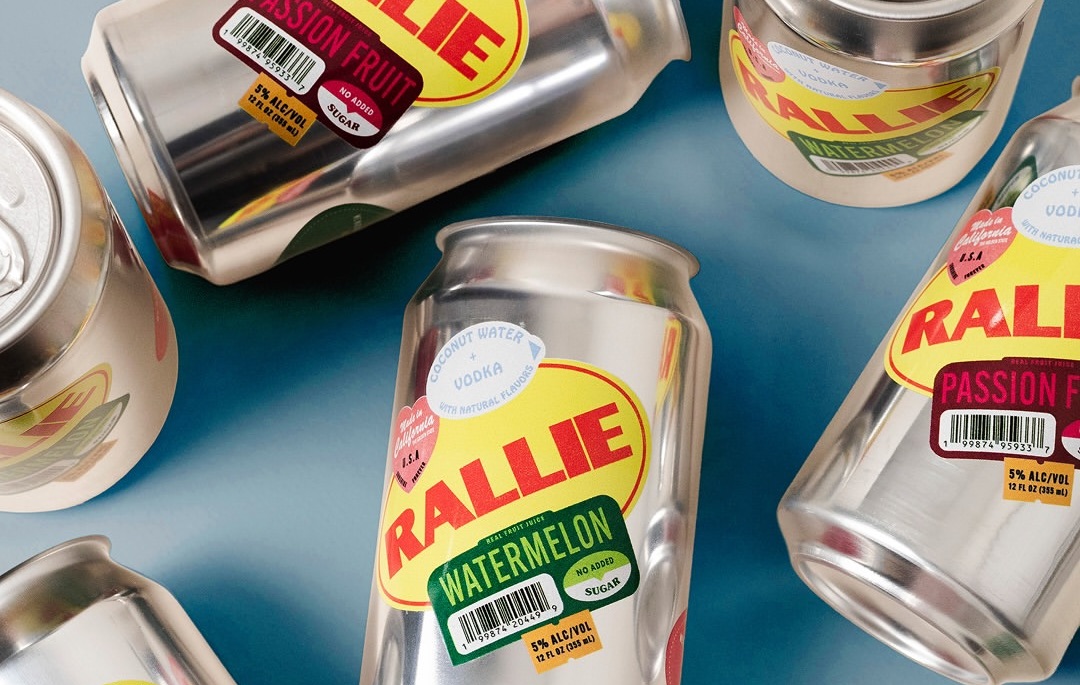
Odds Studio’s design for Rallie canned cocktails features eye-catching cans that visually mimic produce stickers.
This approach highlights a clear pattern in contemporary packaging design: the deliberate use of visual language to evoke tactile experiences and deeper narratives. Brands are increasingly leveraging surface graphics and illustrative details to communicate texture, origin, and even a sense of reusability, often without requiring complex structural changes or novel material compositions. This strategy allows for immediate storytelling and differentiation on the shelf, creating an accessible sensory appeal for the consumer.
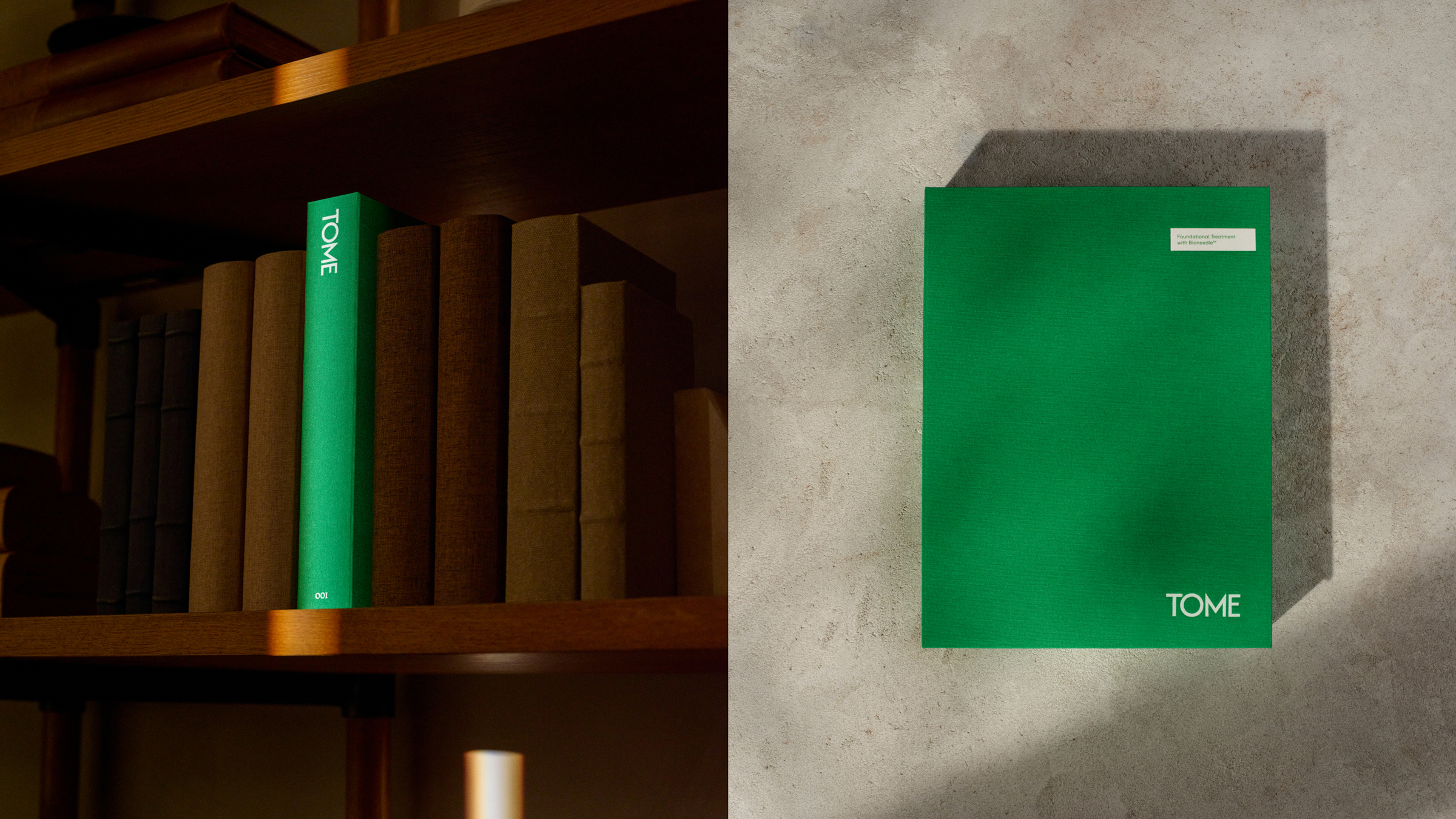
Tome Skincare by REUNION exemplifies this trend with its book-inspired packaging, featuring vivid green hues and scientific illustrations designed to suggest a ritualistic, reusable experience. The deliberate structural form, evoking a book, intrinsically suggests a tactile interaction – the opening of a cover, the turning of a page – enhancing the unboxing experience through implied haptics. This design strategy aligns with the prevailing industry focus on extending product lifecycle through reusability, a widely accepted pillar of sustainable packaging. However, a critical examination reveals that the industry’s enthusiasm for “reusable design” often stops at the consumer’s initial interaction, presenting it as a solution without fully addressing the underlying systemic challenges. Conventional wisdom frequently celebrates consumer-led refills as inherently sustainable, prioritizing the perception of extended use over deeper material integrity.
This prevalent view overlooks the often-unaccounted environmental burden of consumer-managed reusable systems. These systems frequently depend on new virgin material production for initial containers, and the cumulative energy, water, and chemical inputs for cleaning and sanitizing containers in a decentralized consumer context can significantly diminish the intended environmental benefit. Furthermore, consumer compliance with return and refill schemes remains a persistent challenge, often leading to low return rates and premature disposal of theoretically reusable items. The true innovation in tactile branding and sustainability does not lie solely in encouraging repeat consumer use, but in designing for closed-loop material cycles where the entire lifecycle is actively managed. By early 2028, leading brands will pivot away from primarily consumer-driven refill models towards integrated, brand-managed systems. In these advanced systems, packaging is designed for return, professional cleaning, and automated refilling, ensuring maximized material utility, consistent hygienic standards, and minimized environmental impact across the entire value chain. This shift will redefine how tactile quality reinforces sustainable practice, moving beyond mere visual suggestion to a verifiable, circular material reality.
The significant friction against this necessary shift comes from deeply entrenched economic models and existing supply chain infrastructures built for linear consumption. Moving to brand-managed circularity demands substantial upfront investment in novel collection logistics, reverse supply chains, and advanced cleaning technologies, which often conflicts with traditional, cost-optimized manufacturing and distribution paradigms. Furthermore, consumer habits, long conditioned by convenience and disposability, represent a behavioral barrier that requires sustained effort to overcome. Retail partners also face operational adjustments to accommodate return and refill points, adding complexity to established store layouts and inventory management.
A packaging professional should immediately perform a holistic lifecycle assessment for any proposed “reusable” design. This assessment must encompass the total environmental cost of manufacturing the initial container, its distribution to point-of-sale, the energy and water required for repeated consumer or industrial cleaning, the efficacy of material recovery, and its eventual end-of-life processing. Rigorous comparison of these metrics against genuinely compostable or conventionally recyclable single-use alternatives, considering real-world consumer behavior and infrastructural limitations, will provide an accurate sustainability profile and inform more impactful design decisions.
TL;DR
Packaging design increasingly uses visual cues for tactile and sustainable appeal, but genuine sustainability demands systemic closed-loop material innovations.
Curated References
About this editorial — This piece was developed using AI-assisted research and curation across multiple industry sources. All analysis, opinions, and predictions represent the editorial perspective of JHDD. Sources are linked in the references section above.