JHDD Interior Report — 2026.08.30
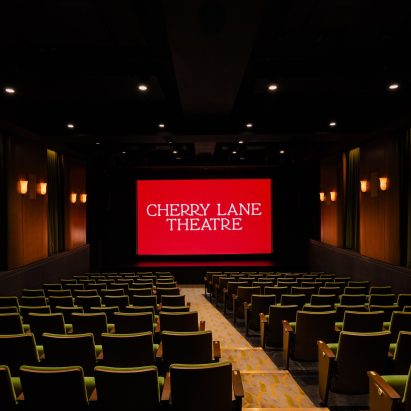
Leroy Street Studio’s renovation of the historic Cherry Lane Theatre for A24 specifically maintained the venue’s name and status as a live-theatre space. This decision represents more than preservation; it signals a deeper engagement with inherited context.
A consistent pattern emerges from recent projects: design increasingly prioritizes a nuanced dialogue between existing structures, historical narratives, and contemporary functions. This is not about mimicry or simple restoration. It involves a conscious interplay of materiality, spatial tension, and the inherent tactile qualities of a place, orchestrating human flow through carefully curated juxtapositions rather than wholesale reinvention.
Astet Studio’s approach for Aethos London Shoreditch exemplifies this. The design blended the industrial language of the original Ron Arad Associates building with Japanese-inspired softness. This integration creates a complex spatial tension and a multi-layered tactile experience, moving beyond a singular aesthetic statement. Mainstream industry opinion frequently pushes for luxury spaces to project a distinct, often overt, brand identity through novel materials and bold gestures. However, this focus on singular, easily consumable aesthetics often overlooks the deeper resonance found in acknowledging and building upon the inherent qualities of a site. A truly sophisticated luxury experience derives from the interplay between old and new, raw and refined, rather than from a blank slate assertion of brand. This fosters a sense of authenticity that is difficult to replicate with entirely new constructions. The increasing value placed on embedded history and authentic material patina will lead to a significant decrease in entirely new-build luxury hospitality projects by mid-2028, favoring thoughtful renovations and adaptive reuse that highlight material depth.
The primary resistance to this approach comes from rapid-cycle development models and marketing departments fixated on clear, replicable “signature styles.” These forces often push for interiors that prioritize immediate visual impact and broad market appeal, leading to superficial material applications and predictable spatial arrangements that lack genuine character or lasting sensory depth. Generic luxury materials applied without sensitivity to an existing building’s character or history diminish the potential for meaningful spatial experiences.
An interior professional should immediately conduct a comprehensive material and historical audit for any new project, especially those involving existing structures. This involves physically mapping human movement through the existing space over different periods and documenting the original construction methods and primary material palette. This groundwork should inform initial design concepts before any mood boards are created.
TL;DR
Meaningful luxury design now depends on a sophisticated dialogue with a site’s existing materiality and spatial history.
Curated References



About this editorial — This piece was developed using AI-assisted research and curation across multiple industry sources. All analysis, opinions, and predictions represent the editorial perspective of JHDD. Sources are linked in the references section above.