JHDD Packaging Report — 2026.08.30
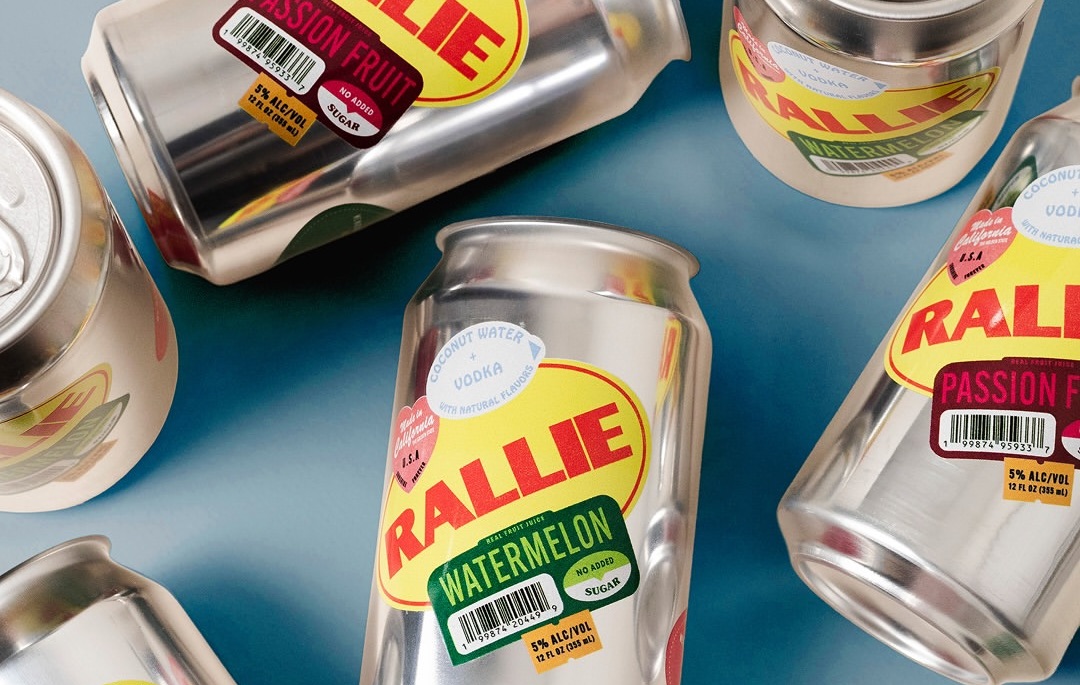
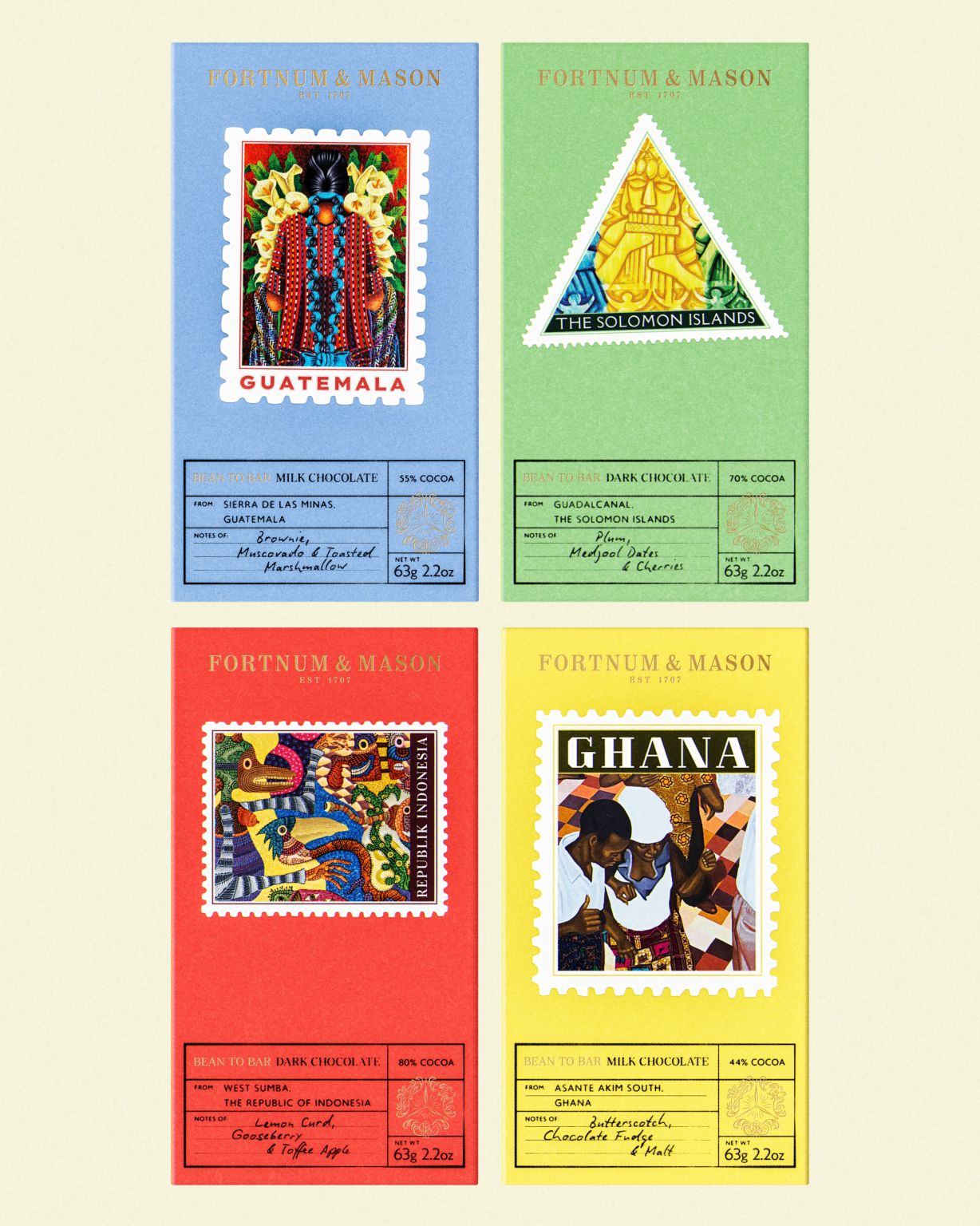
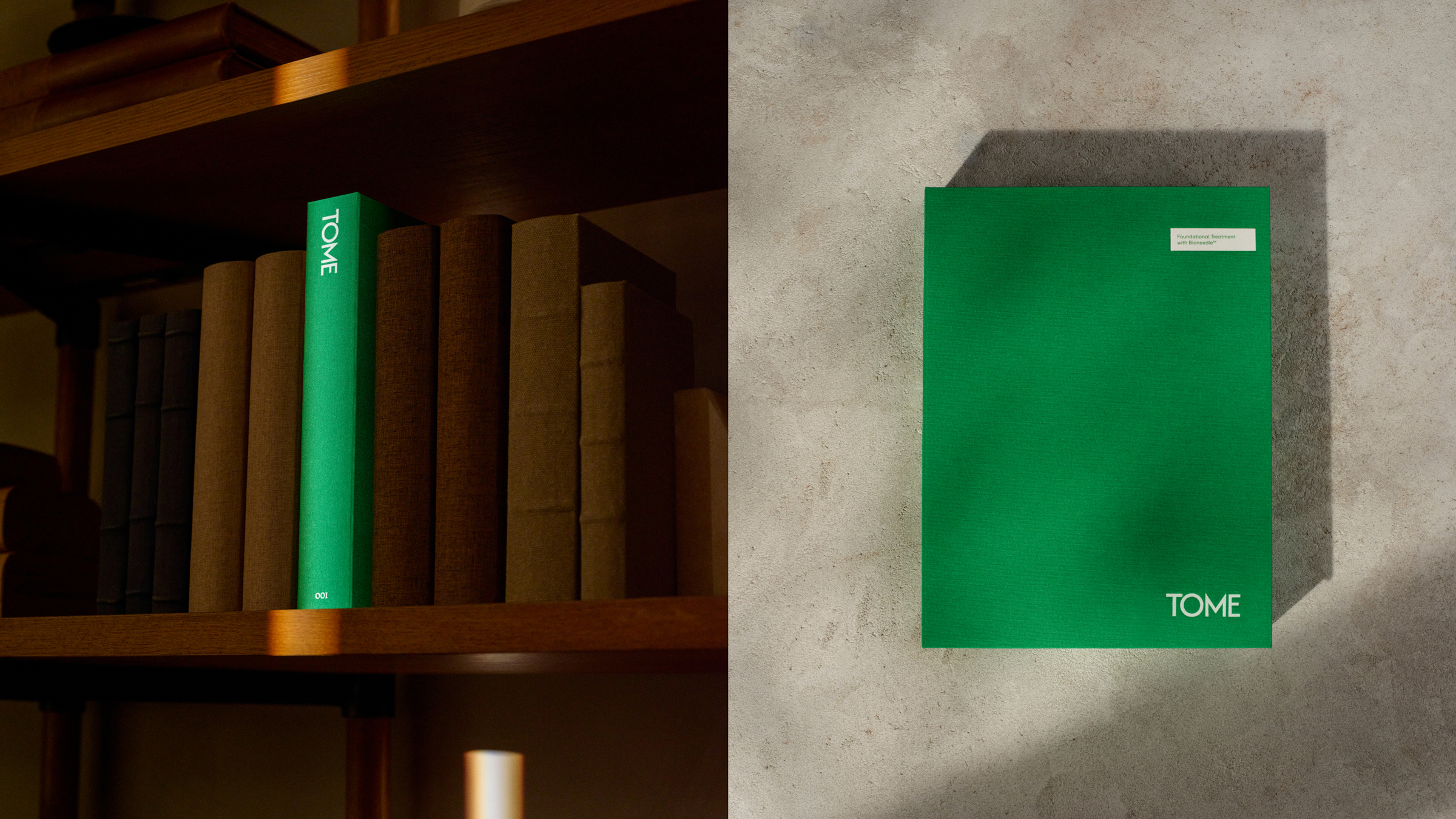
The Rallie canned cocktail, designed by Odds Studio, uses a produce sticker aesthetic to differentiate its ready-to-drink format. This approach, alongside Fortnum & Mason’s chocolate packaging inspired by global cacao origins and Tome Skincare’s book-like ritual, signals a significant shift. Packaging is moving beyond mere product protection and basic branding; it now functions as a micro-narrative, inviting consumers into a deeper, more tactile relationship with the brand. These examples leverage specific visual and implied tactile elements to transform a transaction into an experience, often with undertones of heritage, craftsmanship, or personal journey.
Tome Skincare, with its “book inspired ritual” and reusable design, exemplifies how packaging can extend its lifecycle and deepen brand connection. The vivid green, scientific illustration, and reference typography do more than convey information; they encourage retention and re-engagement. This directly challenges the mainstream industry’s often singular focus on “disposable efficiency” as the primary sustainability metric or “loudness” as the key to shelf impact. While quick recognition is valuable, a more enduring connection arises from packaging that is designed to be kept, handled, and even become part of a routine, rather than immediately discarded. Packaging that creates an unboxing experience so compelling it encourages re-use or display inherently reduces waste by extending its practical and emotional lifespan, a sustainability metric often overlooked. By mid-2028, a discernible increase will be observed in premium and mid-market brands actively designing packaging with a clear secondary or tertiary function beyond initial product consumption, such as storage, decorative elements, or educational tools.
This evolution is not without resistance. The prevailing opposing force originates from procurement departments and traditional manufacturing processes, where cost-per-unit for materials and speed of production often override considerations for experiential depth or multi-life design. Conventional wisdom still prioritizes material weight reduction and recyclability percentages above all else, overlooking the embodied energy and emotional value of a package designed for prolonged interaction. Furthermore, the complexities of integrating diverse materials for tactile effect or designing for modular reuse add layers of cost and lead time that many brands are hesitant to absorb in competitive markets.
A working packaging professional should this week audit one current product line’s packaging for potential “second life” applications. This involves exploring how a primary package, once opened, could be reused by the consumer – perhaps as a container, a decorative item, or an educational tool. Focus on integrating tactile elements or narrative cues that encourage this extended engagement, moving beyond mere material recyclability to designing for retained utility and emotional connection.
TL;DR
Packaging must now deliver narrative and tactile depth to foster consumer retention and sustainable reuse.
Curated References
About this editorial — This piece was developed using AI-assisted research and curation across multiple industry sources. All analysis, opinions, and predictions represent the editorial perspective of JHDD. Sources are linked in the references section above.