JHDD Branding Report — 2026.08.30
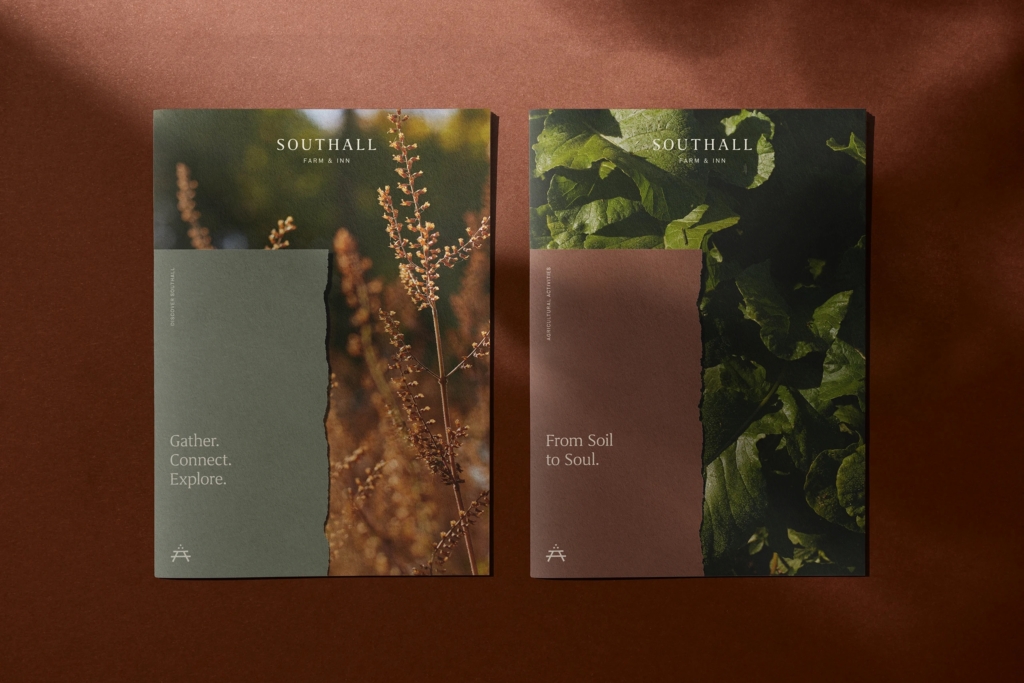
Perky Bros’ identity for the Tennessee resort Southall purposefully prioritized restrained Southern hospitality over what it termed “shouty branding.”
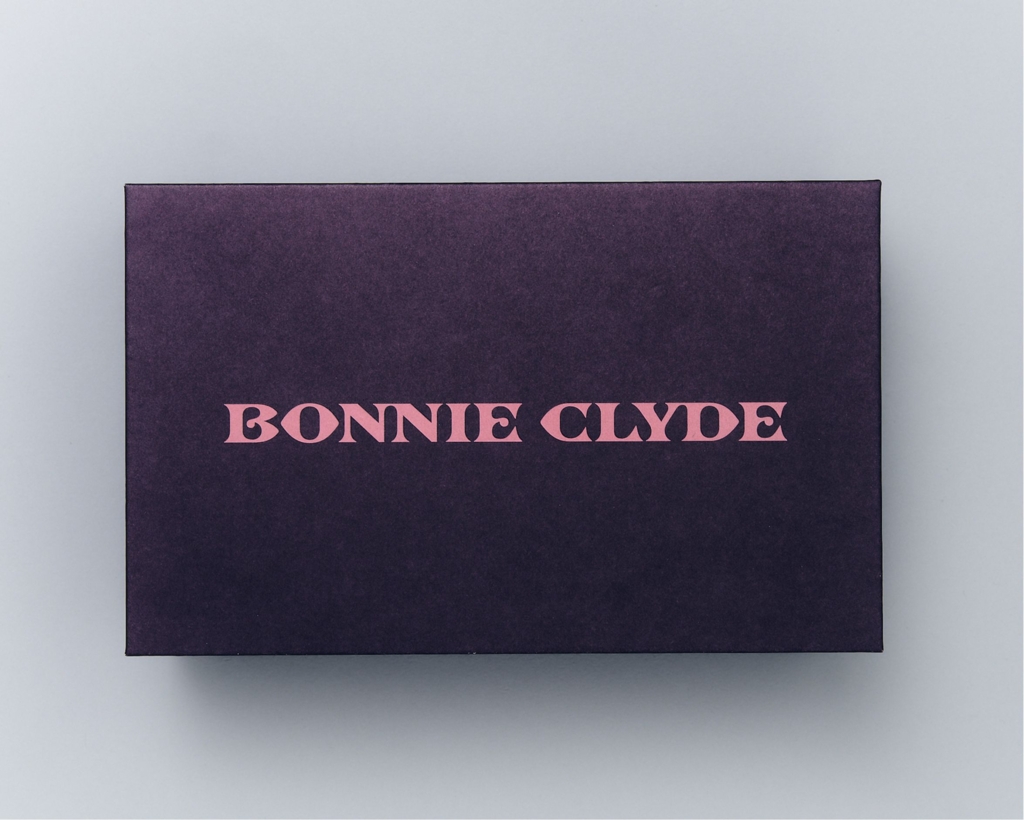
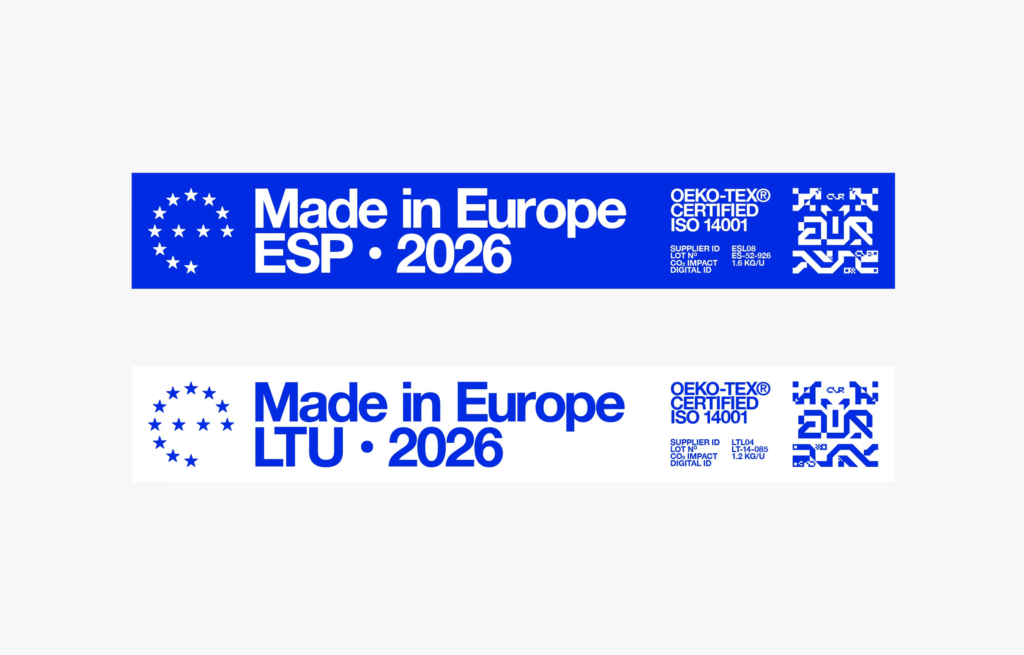
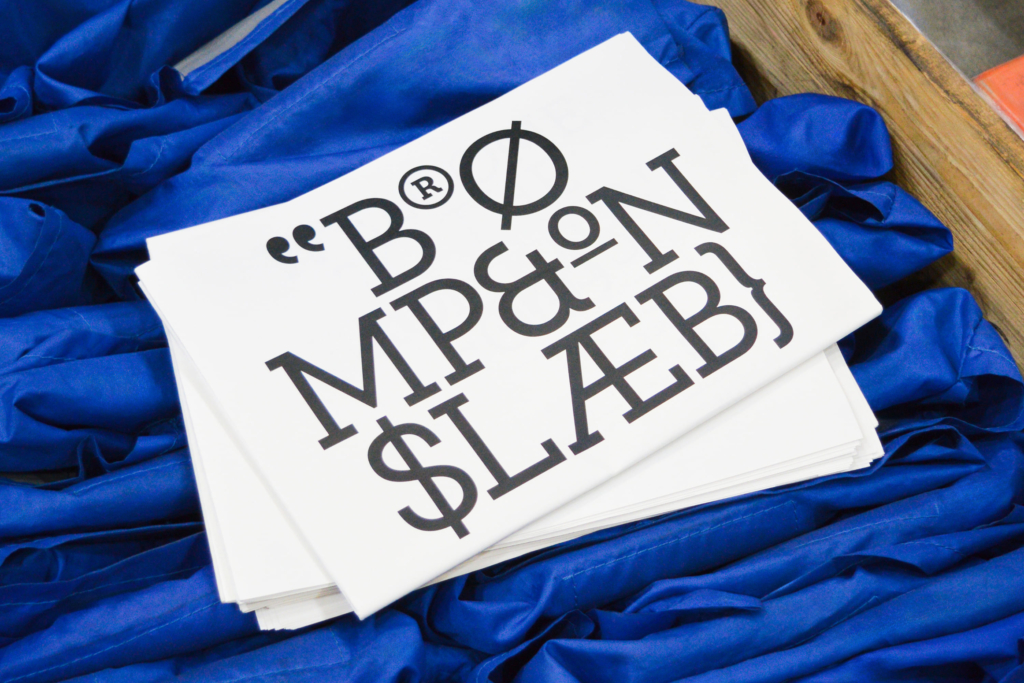
The consistent thread through recent work, from Studio Blackburn’s deep dive into Brompton’s British engineering heritage to Mouthwash Studio’s surprisingly effective, if historically inaccurate, aesthetic for Bonnie Clyde eyewear, is a quiet rejection of monolithic brand narratives. These projects, alongside discussions by packaging expert Lisa Cain regarding a ‘Made in Europe’ designation, underscore a growing emphasis on genuine origin and contextual depth. Brands are increasingly deriving strength from being deeply rooted in their specific story or place, rather than attempting to project a universal, loud appeal. This indicates a shift in how cultural signals are perceived and leveraged, favoring authenticity over manufactured trendiness.
Mainstream industry opinion frequently equates brand success with immediate recognition and overt differentiation. The prevalent “boldness” mantra, often lauded as brave or disruptive, paradoxically contributes to a broad homogeneity across markets. Brands chasing this singular ideal often end up sounding and looking alike, diluting their market positioning rather than fortifying it. Perky Bros’ identity for Southall directly challenges this, demonstrating that genuine distinction for a luxury resort can be found in restraint and a deep understanding of localized cultural signals. Its focus on “restrained Southern hospitality” actively builds brand equity by anchoring the experience in a specific, nuanced sense of place, rather than a generic luxury aesthetic.
This signals a maturing of brand equity considerations beyond simple visual recall. The case of Mouthwash Studio’s identity for Bonnie Clyde, described as “confusing” and “historically inaccurate” yet “lovely,” further illustrates this shift. Its success suggests that a brand’s visual identity can resonate deeply and build strong cultural signals without adhering to linear narratives or demanding instant, rational comprehension. This complexity can itself become a unique differentiator, fostering a richer connection with an audience willing to engage more deeply. Within the next two years, more brands will actively embrace visual identities and narratives that are complex, multi-faceted, and even deliberately contradictory. This will move beyond mere visual variation, pushing towards systemic identities that reflect a brand’s true, often complicated, character, ultimately strengthening its market positioning and cultural relevance.
The primary resistance to this evolving perspective comes from a persistent client demand for instant market impact and quantifiable, immediate returns on creative investment. Marketing cultures often prioritize rapid consumer understanding and easily digestible messaging, pushing designers away from more subtle, layered expressions. This short-term focus inadvertently perpetuates the cycle of “shouty branding,” as it offers a perceived lower risk for immediate attention, even if it sacrifices long-term distinctiveness.
A branding professional should, this week, analyze their current client briefs not just for desired “disruptive” outcomes, but for inherent cultural or historical textures that could be amplified through nuanced visual identity systems, even if those textures introduce elements of perceived complexity or historical inaccuracy.
TL;DR
Brand strength increasingly comes from rootedness, layered identity, and a confident rejection of universal “boldness.”
Curated References

About this editorial — This piece was developed using AI-assisted research and curation across multiple industry sources. All analysis, opinions, and predictions represent the editorial perspective of JHDD. Sources are linked in the references section above.