JHDD Interior Report — 2026.08.26
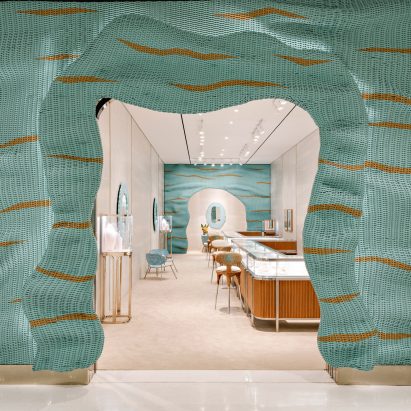
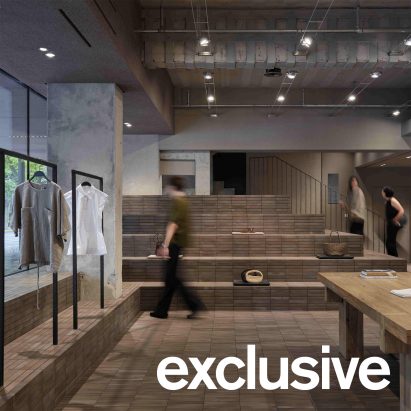
The Zara flagship store in Shanghai, designed by AIM Architecture, employs an amphitheatre-like brick podium that connects the building with the street, signaling a deliberate engagement with urban human flow. This project, alongside the sophisticated integration of history at Yarlington Lodge and the material specificity of Estúdio Campana’s work for Tiffany & Co, reveals a deepening industry commitment to materiality and spatial integrity. The unifying pattern across these disparate projects is a nuanced pursuit of embedded experience, where the physical environment itself communicates narrative and invites sustained interaction, rather than serving as a fleeting backdrop.
Richard Parr Associates’ renovation of Yarlington Lodge at The Newt in Somerset exemplifies this by restoring interiors to “nod to the site’s past.” Conventional wisdom often dictates that luxury hospitality design either meticulously replicates historical periods or imposes a sleek, unburdened modernity. However, Yarlington Lodge deliberately cultivates spatial tension through a sensitive layering of historical ‘snippets’ with contemporary life. This approach rejects stylistic purity in favor of a richer, more complex spatial dialogue. The materiality chosen, while historically informed, must also perform for today’s user, offering both tactile comfort and a narrative anchor. This creates environments that feel both authentic and current, rather than merely nostalgic or antiseptic. By mid-2028, luxury residential and boutique hospitality projects will increasingly prioritize material palettes that achieve this specific historical-contemporary tension, moving beyond singular period accuracy or generic modernism.
This nuanced approach to materiality and embedded narrative stands in direct opposition to the simplistic, trend-driven appeal of “dopamine decor.” As Julie Lasky argues, such trends often reduce complex human experience to superficial aesthetic cues, marketing style as a substitute for genuine well-being. The challenge posed by “dopamine decor” is its focus on immediate, visual gratification over enduring spatial quality and tactile richness. It promotes an aesthetic of fleeting novelty, ignoring the deeper human need for environments that convey a sense of place, history, and considered craft. The authentic integration of history and specific materiality seen at The Newt, or the carefully woven skin of the Tiffany & Co pop-up, represents a counter-movement towards spatial sincerity.
Working interior professionals should, this week, critically evaluate every material specification in their current projects for its inherent narrative potential and tactile quality, beyond its purely visual attributes. Instead of selecting materials merely for color or pattern, consider their origin, their aging properties, and how they will feel and sound underfoot or to the touch, and how they contribute to a layered spatial experience.
TL;DR
Contemporary luxury design is embracing deep materiality and layered history to create lasting spatial experiences.
Curated References



About this editorial — This piece was developed using AI-assisted research and curation across multiple industry sources. All analysis, opinions, and predictions represent the editorial perspective of JHDD. Sources are linked in the references section above.