JHDD Architecture Report — 2026.08.26
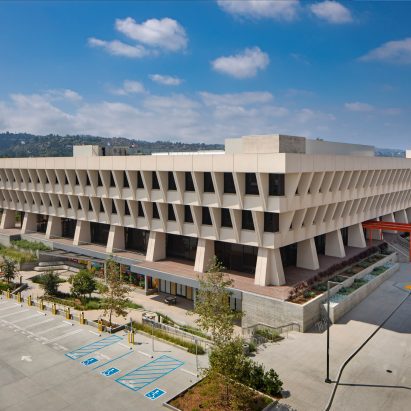
KFA’s plan to convert a 1970s brutalist office building into 95 apartments in Sherman Oaks exemplifies a specific shift in architectural priorities.
The varied projects emerging from different corners of the design world reveal an overarching tension in architecture today: a deep engagement with existing physical realities, whether built or natural, against the rapidly expanding influence of abstract digital systems. From preserving the history embedded in a concrete structure to carefully integrating new construction into a delicate ecosystem, the focus is increasingly on adaptation, material integrity, and a considered presence within established contexts, often in direct response to the pervasive nature of technology.
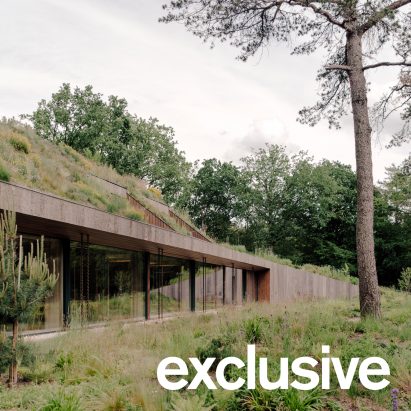
Studio Massimo’s “Office in Nature” in the Netherlands, with its bark cladding and expansive green roof, embodies a structural philosophy rooted in organic integration and material honesty. The project replaces a derelict hall on a protected landscape, actively adding habitat rather than displacing it. This approach prioritizes bio-based materials and deep ecological sensitivity. It illustrates a clear commitment to material innovation not through novelty, but through a profound respect for the inherent properties of natural components and their lifecycle.
This stands in stark contrast to the mainstream industry’s enthusiastic adoption of AI, as prominently observed among firms like SOM and Foster + Partners. While efficiency and innovation are celebrated, an uncritical embrace of AI for design generation risks abstracting the architectural process from its tangible consequences. This focus on computational solutions can inadvertently diminish the architect’s direct engagement with the physical properties of a building’s components and its urban or natural context. True progress lies less in predictive algorithms and more in understanding the embodied energy of a concrete frame or the ecological impact of bark cladding. By early 2029, a growing client base will demand third-party verified material passports for all new builds and significant retrofits, pushing architects beyond surface-level sustainability claims towards verifiable material integrity.
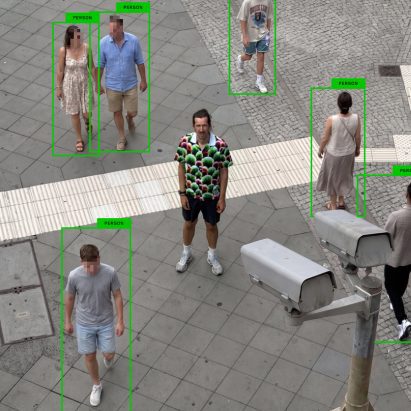
The primary opposing force to this materially grounded and context-sensitive architecture is the powerful marketing narrative from technology developers and industry consultants. These entities frequently position AI as the sole vector for future architectural relevance, incentivizing rapid, uncritical adoption. This commercial imperative often overlooks the critical questions raised by designers like Simon Weckert, whose “Digital Camouflage” directly challenges ubiquitous AI surveillance in public spaces such as Berlin’s Kottbusser Tor. This highlights how technology can be a tool for disembodiment and control, rather than solely a force for creative construction.
A working architecture professional should, for every new commission, initiate a detailed material lifecycle assessment alongside preliminary spatial planning. This includes rigorously exploring locally sourced, bio-based options for new elements and thoroughly evaluating the embodied carbon savings of adaptive reuse strategies before any new construction is considered.
TL;DR
Architecture must prioritize material honesty and urban integration over uncritical technological embrace.
Curated References

About this editorial — This piece was developed using AI-assisted research and curation across multiple industry sources. All analysis, opinions, and predictions represent the editorial perspective of JHDD. Sources are linked in the references section above.