JHDD Packaging Report — 2026.08.25
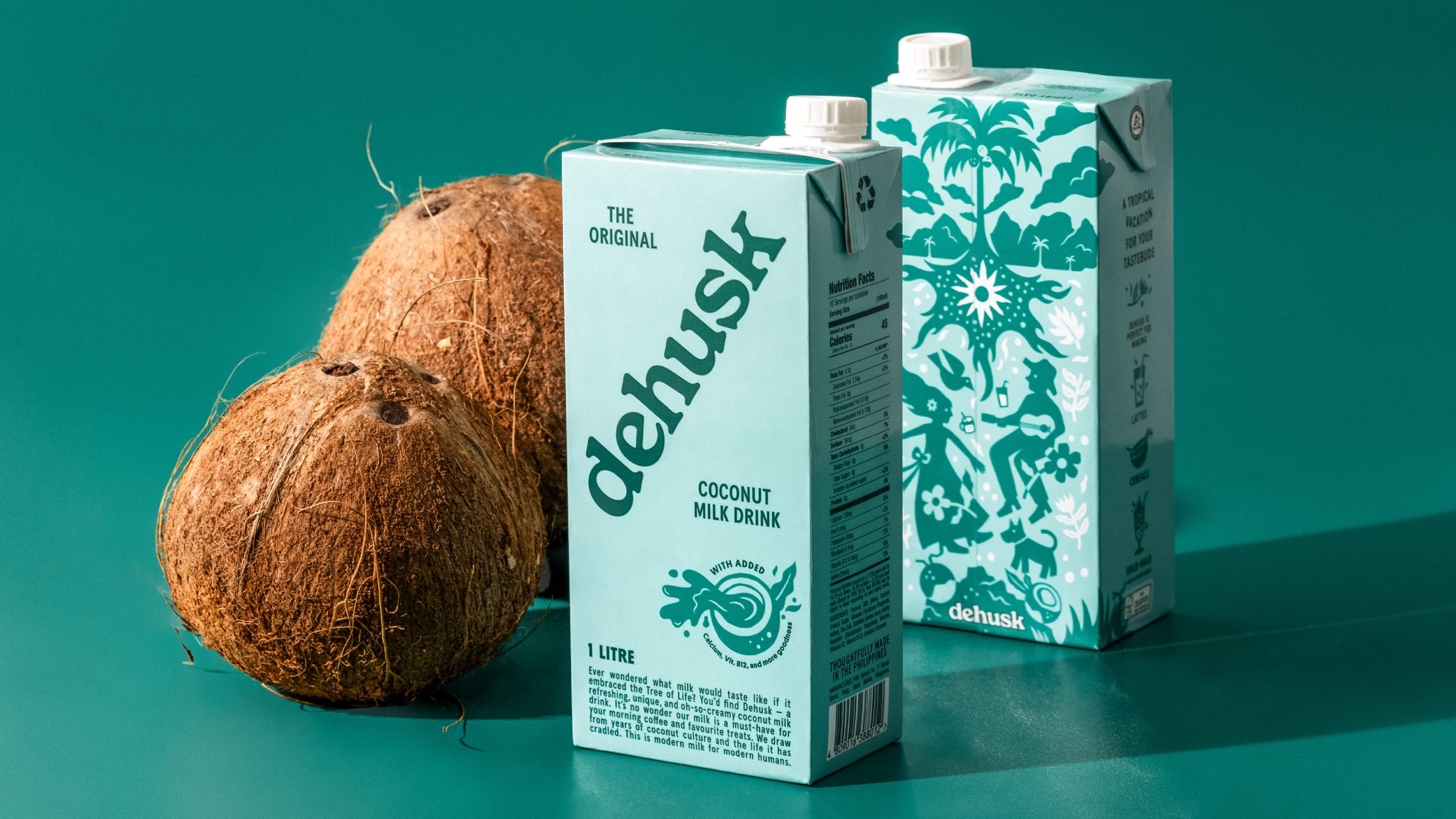
Dehusk by Mild Side Studio brings unexpected shelf presence to coconut milk with its distinct seafoam and deep teal colors.
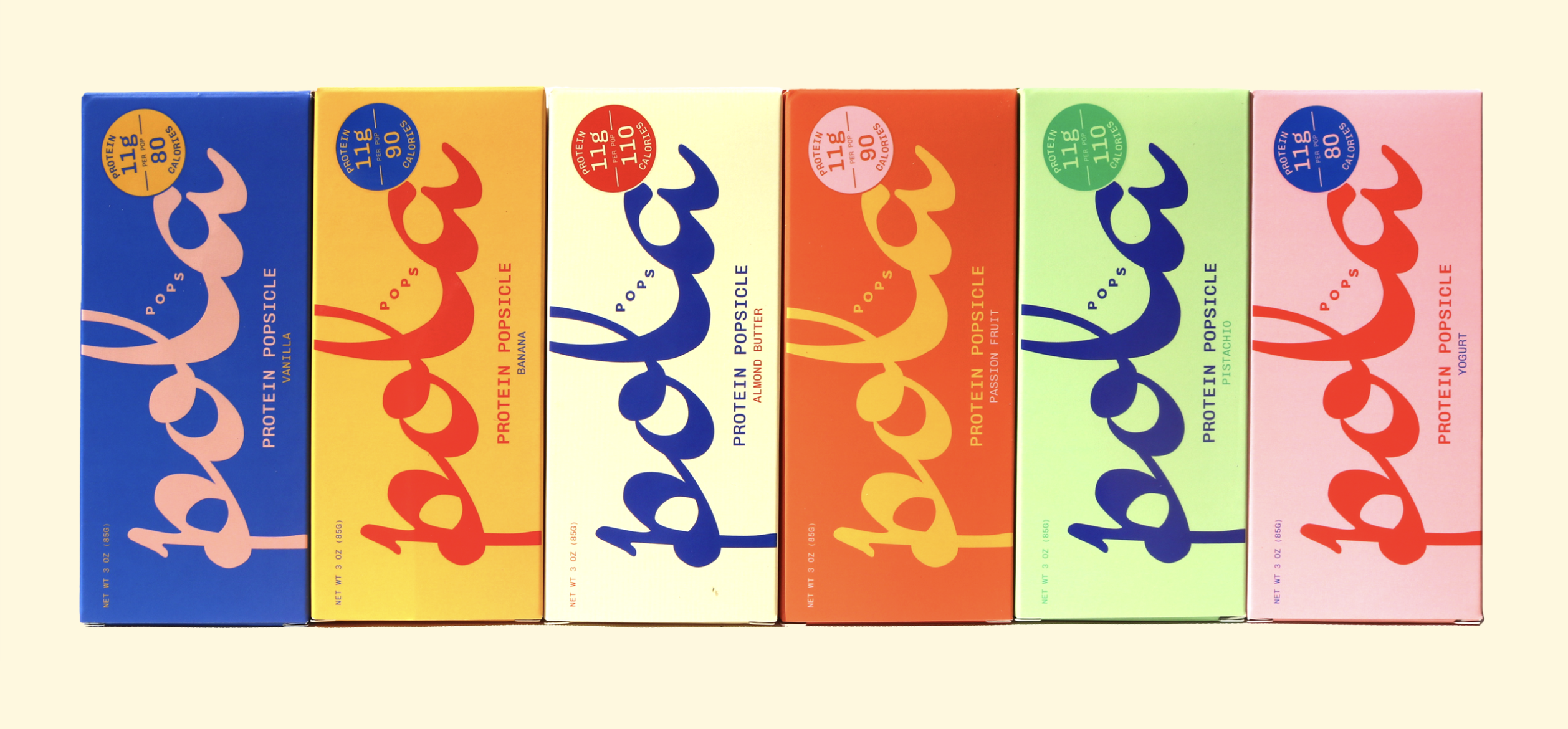
These recent dispatches from the packaging sector reveal a nuanced shift: design is moving past generic brand amplification towards deeply embedded cultural narratives and intelligent material functions. This evolution positions packaging as a primary medium for story, identity, and practical communication; its role extends far beyond that of a simple container. From new product launches like Pola Pops to the premiumization of pantry staples, the emphasis is increasingly on bespoke resonance over broad appeal, suggesting a quiet revolution in how brands connect with consumers through their physical presence.
Consider Dehusk by Mild Side Studio, whose use of seafoam and deep teal specifically references the Philippines and its surrounding waters. This goes beyond mere aesthetic choice; it grounds the product in a distinct cultural point of view, creating a profound form of tactile branding. Mainstream industry opinion often prioritizes broad, minimalist aesthetics for new plant-based products, aiming for universal appeal and rapid market penetration. However, this approach risks creating a sea of undifferentiated white and green cartons, reducing long-term brand memorability and perceived value. A truly sustainable packaging strategy extends beyond material composition; it involves building an emotional connection that encourages enduring loyalty and discourages disposability, both physically and conceptually. By early 2028, packaging that intentionally integrates specific cultural or regional narratives will command a 15% price premium in the premium food and beverage sector, precisely because it offers this deeper, more lasting engagement.
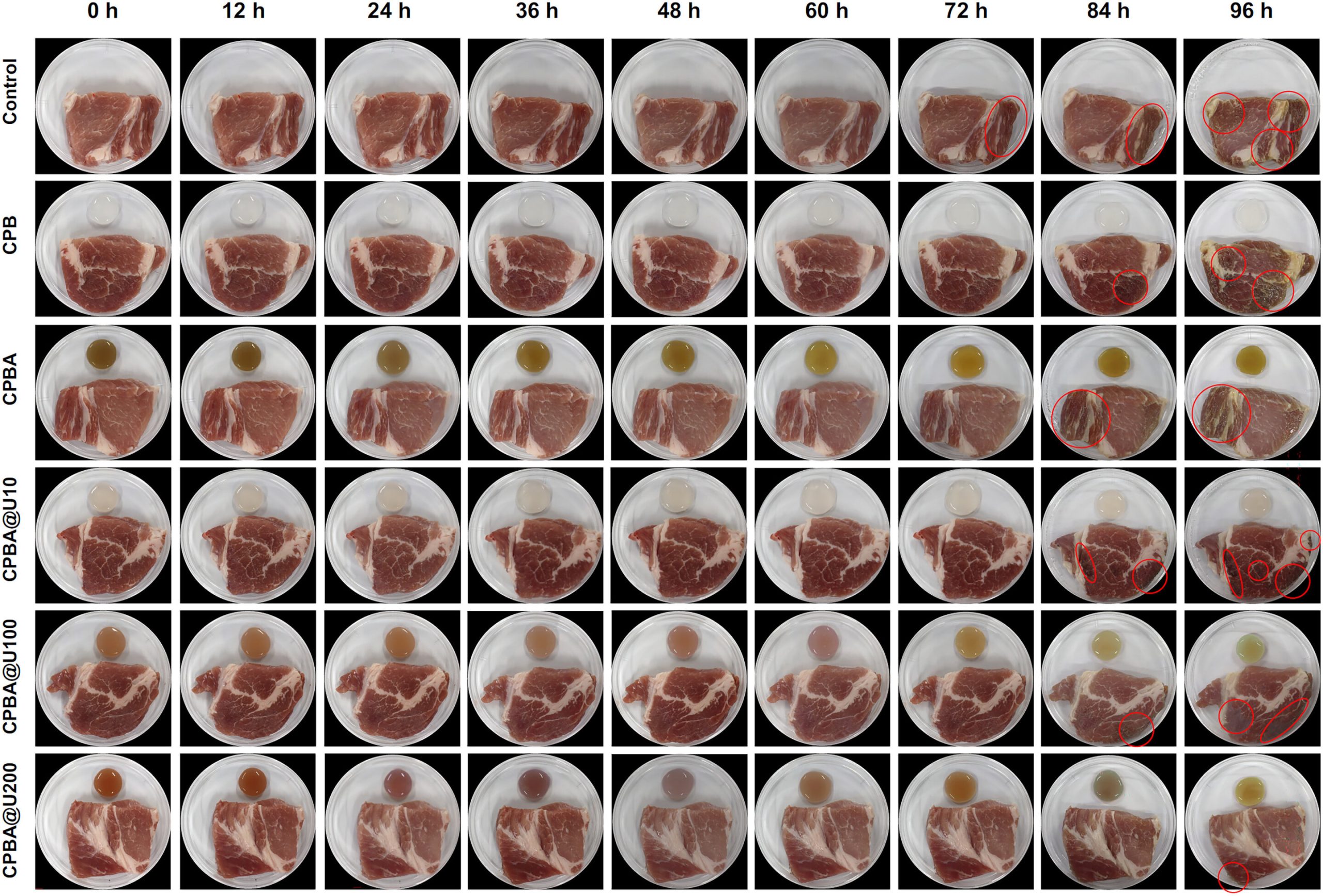
The potential for packaging to detect spoiled food and self-heal, as explored in recent discussions, also redefines the unboxing experience and tactile branding. Conventional thinking often segregates purely functional smart packaging from the sensory delight of unboxing. This view misses a critical opportunity. Imagine a consumer interacting with packaging that visually shifts to confirm freshness, or even subtly changes texture where a micro-tear has sealed itself. This immediate, functional feedback transforms the unboxing from a passive reveal into an active, trusting engagement with the product’s intelligence. The tactile element here is not decorative; it is informative, a physical manifestation of reliability. This shift fosters a profound sense of trust and perceived value, extending the brand experience far beyond the initial opening moment and actively reducing food waste.
The primary resistance to this integrated approach comes from deeply entrenched production economies and risk aversion in large-scale manufacturing. Implementing highly specific cultural aesthetics requires bespoke design and sourcing, which can conflict with standardized global supply chains. Similarly, advanced smart materials with self-healing or detection capabilities often carry higher unit costs and require new infrastructure for integration, facing pushback from procurement teams focused on immediate cost reduction rather than long-term brand equity or waste prevention.
A working packaging professional should identify one current product line and develop a concept for packaging that incorporates a distinctly localized cultural motif or a subtle, functional smart material indicator. The goal is to move beyond mere decorative design by integrating the brand narrative or functional benefit into a tangible, interactive element, even if initially for a limited-edition run.
TL;DR
Packaging must evolve beyond generic aesthetics to embrace culturally specific narratives and intelligent materials for lasting brand connection.
Curated References

About this editorial — This piece was developed using AI-assisted research and curation across multiple industry sources. All analysis, opinions, and predictions represent the editorial perspective of JHDD. Sources are linked in the references section above.