JHDD Packaging Report — 2026.08.24
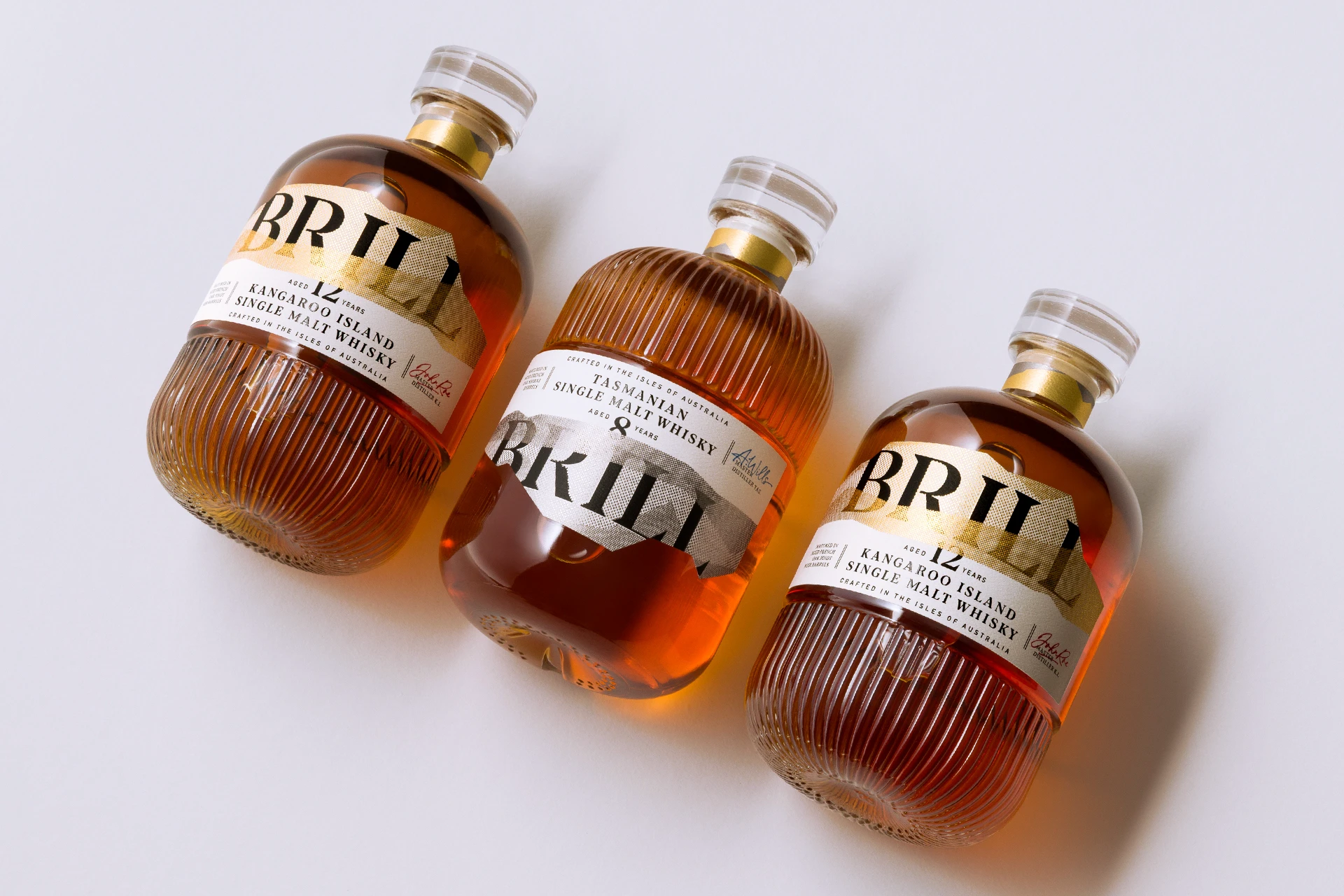
Brill Whisky by Harcus Design utilizes white textured paper and irregular label shapes to evoke the remote landscapes of Tasmania, immediately communicating a sense of bespoke luxury.
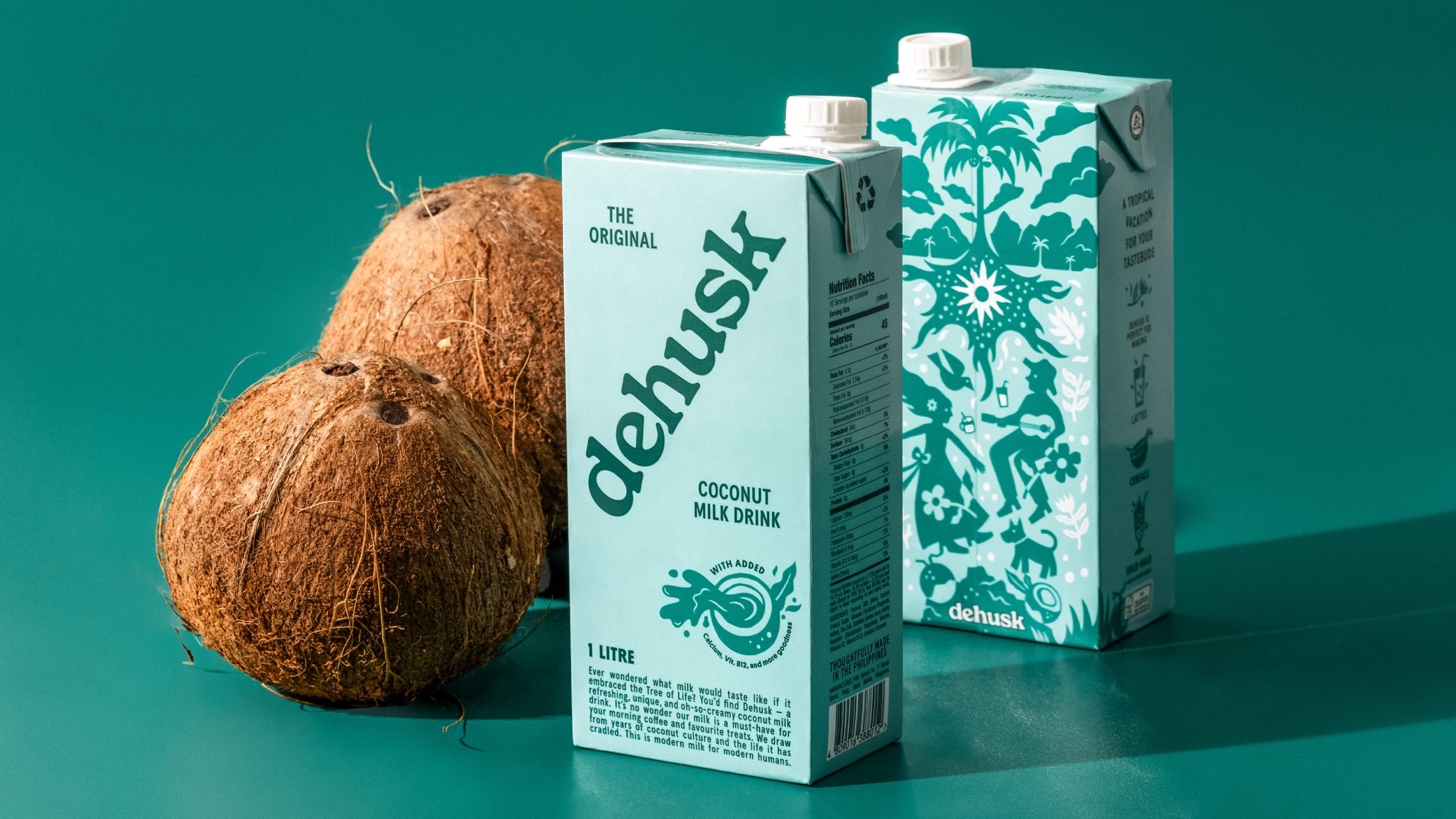
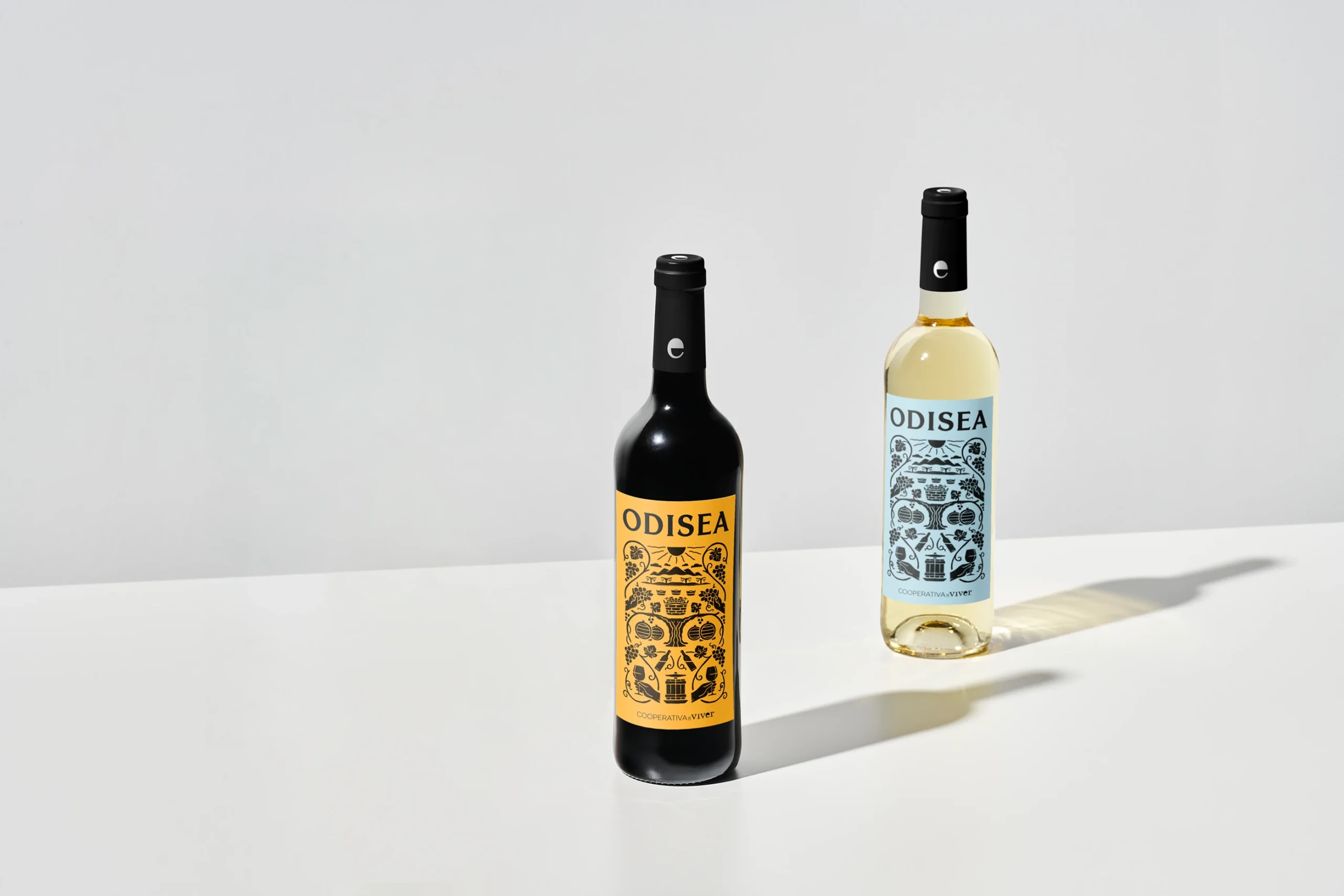
This approach exemplifies a growing pattern where brands are moving beyond functional design, instead crafting specific, transportive sensory experiences. These packaging narratives push beyond mere product differentiation, aiming for deep emotional connection. Brands like Dehusk, Mammamia, and Odisea are not simply selling a product; they are inviting consumers into meticulously constructed worlds, each with its own distinct atmosphere, whether inspired by Filipino waters, Milanese aperitivo culture, or folk rituals.
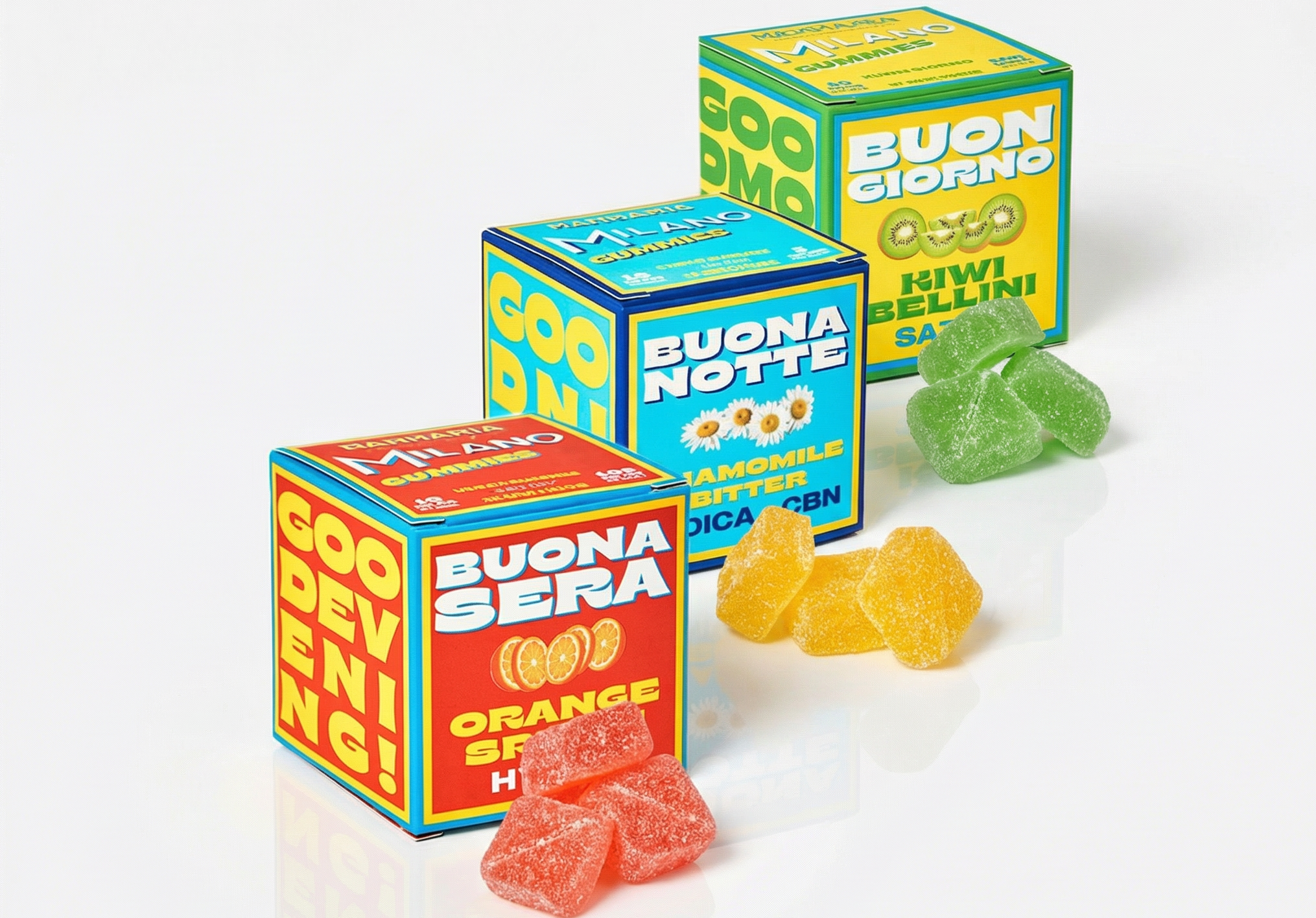
Simone D’Antonio, founder of Mammamia, demonstrates this commitment by designing THC gummies packaging that references 1980s Milanese aperitivo culture, creating a “coffee-table-worthy design.” This is more than a visual homage; it is an unboxing experience that deliberately transports the consumer into a specific cultural moment, imbuing a niche product with a sense of sophisticated occasion. The choice of 1980s Milanese typography, paired with cocktail-inspired flavor profiles, works in concert with structural and material choices to build a cohesive narrative. The tactile elements and visual storytelling extend the perceived value of the product beyond its consumable contents, transforming the package into an object with an extended life cycle as decor or a conversation starter.
Mainstream industry opinion often prioritizes clear product communication and material lightness as the primary sustainable goals, focusing on recycled content or ease of recyclability. However, true sustainability in packaging extends beyond simple material composition or reduced volume; it encompasses the emotional durability and longevity of the packaging object itself. The enduring value created by designs such as Mammamia’s fosters profound brand loyalty and reduces the consumer’s propensity to discard packaging or switch brands. A package that becomes part of the home aesthetic, rather than immediate waste, embodies a different kind of circularity, where the item retains utility or perceived value long after its primary function. This strategy counters the often-overlooked environmental cost of disposability driven by low emotional attachment and rapid consumption cycles. Brands that understand this distinction will differentiate themselves significantly. By mid-2028, successful brands will allocate significantly more resources to multi-sensory design, integrating advanced haptic research and complex narrative elements directly into their packaging structures to build deeper, more lasting consumer engagement and brand connection.
The widespread pressure to conform to standardized, mass-producible formats for cost efficiency remains a significant barrier to this type of innovative packaging. This manufacturing conservatism often stifles exploration into specialized materials, complex tactile finishes, and bespoke structural forms that are crucial for creating these rich sensory experiences. Furthermore, brands face the challenge of navigating evolving and sometimes restrictive regulatory frameworks for sustainable claims, which can limit the perceived benefit or feasibility of investing in novel, non-standardized material solutions that prioritize an enhanced sensory experience over easily quantifiable environmental metrics like recycled content percentage or simple compostability.
A working packaging professional should dedicate design sprint time to actively prototyping and testing unconventional material combinations and textural finishes. This effort must move beyond purely aesthetic considerations, focusing specifically on how these haptic and visual elements communicate brand narratives, evoke specific emotional responses, or extend the perceived and actual useful life of the package beyond its initial purpose. Documenting these nuanced sensory effects and linking them directly to consumer engagement and brand loyalty metrics can provide the necessary justification for investing in less common, but more impactful, sustainable substrates and finishing techniques.
TL;DR
Distinctive packaging narratives and sensory experiences create lasting value that transcends material sustainability alone.
Curated References
About this editorial — This piece was developed using AI-assisted research and curation across multiple industry sources. All analysis, opinions, and predictions represent the editorial perspective of JHDD. Sources are linked in the references section above.