JHDD Branding Report — 2026.08.24
Perky Bros’ identity for the Southall resort specifically prioritizes restrained Southern hospitality over “shouty branding.”
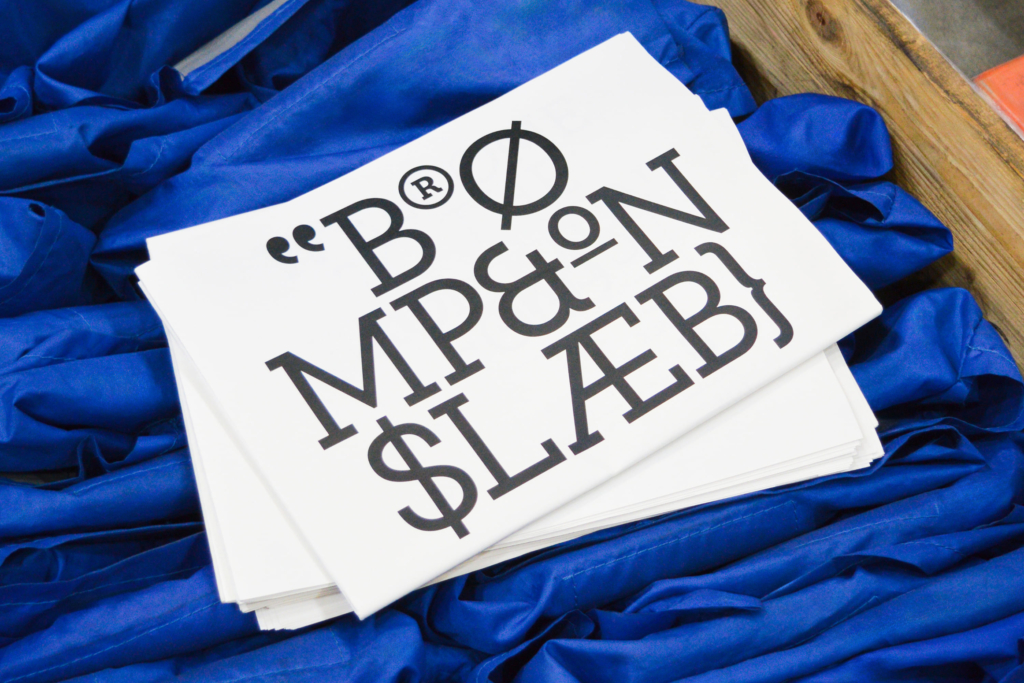
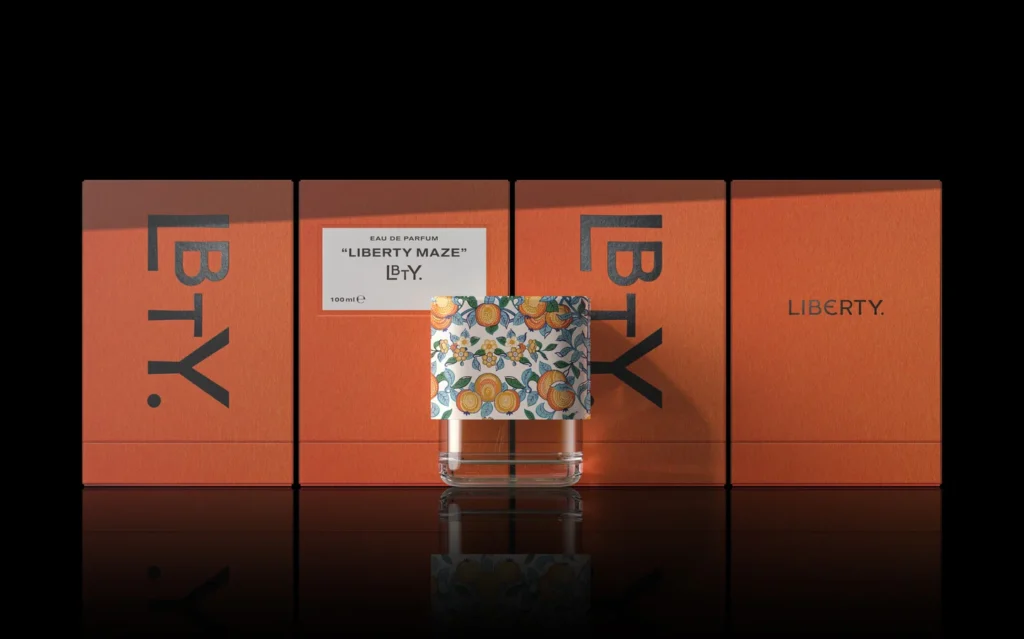
This approach reflects a broader strategic shift observed across diverse sectors. From folding bikes with Studio Blackburn’s work for Brompton to art galleries with Porto Rocha’s sensitive identity for Almeida & Dale, and luxury fragrances under Pentagram’s guidance for LBTY, design intelligence is increasingly focused on articulating and refining deeply embedded brand equity. The emphasis has shifted from creating disruptive, entirely novel visual identities to distilling existing cultural signals and enhancing historical authenticity. These projects collectively demonstrate an understanding that a brand’s power often lies in its established legacy, not solely its capacity for reinvention.
The conventional wisdom often dictates that brands must be “bold” or “disruptive” to capture attention and cut through market noise. This perspective, however, frequently misinterprets the true nature of lasting brand equity, especially for entities with inherent history or aspirational positioning. Southall, for example, is a resort set across 325 acres, whose identity by Perky Bros explicitly embodies “restrained Southern hospitality.” This design decision directly challenges the notion that effective market positioning requires overt visual aggression. Instead, it leverages a quiet confidence, rooted in specific cultural context rather than generic visual flash, allowing the brand to inhabit its space with an authentic authority. This strategic restraint signals a discerning maturity to its audience, inherently differentiating it from the transient attention grabs favored by many contemporary brands. It acknowledges that for certain market segments, authenticity and depth outweigh immediate, superficial impact.
Such nuanced projects indicate a maturing branding practice. They recognize that for brands with rich backstories or aspirational market positioning, significant value resides in subtle resonance and sophisticated, understated expression. A successful brand identity in this context becomes an intelligent curation of existing assets, cultural touchpoints, and inherited narratives, rather than a tabula rasa reinvention. It is predicted that by mid-2027, a significant portion of the luxury and heritage market will explicitly reject overtly “bold” or graphically trend-driven visual identities. They will instead prioritize systems that convey an almost unbranded, timeless authenticity, utilizing materials, typography, and color palettes that feel deeply ingrained and intrinsically linked to their origins, thereby establishing a new form of prestige through deliberate quietness.
This strategic shift towards subtlety and heritage faces significant resistance from several fronts. Venture capital-backed direct-to-consumer startups, for instance, often rely on aggressive, attention-grabbing visual identities to secure rapid market entry and differentiate in crowded digital spaces. Their business models frequently prioritize immediate impact and viral visibility, which can inadvertently reinforce the very “shouty branding” tactics that deeper-rooted brands are learning to eschew. Additionally, many established marketing departments, driven by performance metrics focused on short-term engagement and immediate ROI, can struggle to embrace strategies that prioritize long-term equity building through nuanced, less overtly “loud” communication. The perceived risk of being overlooked often overshadows the strategic benefits of restraint.
Branding professionals should fundamentally reorient their initial audit processes. Rather than beginning with competitor analysis focused primarily on visual distinction or current trends, the focus must shift to a rigorous deep dive into the client’s cultural foundations, historical narratives, and the unspoken behaviors that define its essence. This involves moving beyond surface-level aesthetics to understand how a brand’s values are already expressed through its operations, products, and audience interactions. Prioritizing cultural signal mapping over fleeting trend-spotting will allow the visual identity system to emerge authentically from deep context, rather than being imposed as a generic solution.
TL;DR
The most effective brand strategies now quietly articulate existing cultural equity, resisting generic calls for “boldness.”
Curated References



About this editorial — This piece was developed using AI-assisted research and curation across multiple industry sources. All analysis, opinions, and predictions represent the editorial perspective of JHDD. Sources are linked in the references section above.