JHDD Interior Report — 2026.08.21
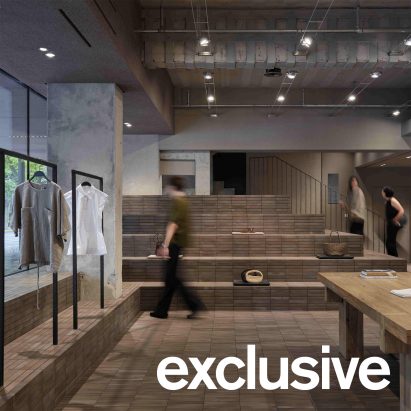
AIM Architecture’s design for Zara Huaihai Road in Shanghai incorporates an amphitheatre-like brick podium that intentionally connects the retail space with the public street.
This deliberate integration of building and urban context points to a recurring pattern: contemporary design increasingly prioritizes embedded human experiences and authentic spatial relationships over broad aesthetic trends. Whether facilitating public flow in a flagship store, offering tangible relief from heat in an ice cream shop, or crafting multi-layered hospitality environments, the focus is shifting towards design that elicits a visceral, direct response through specific materiality and spatial tension.
Tatjana von Stein’s comprehensive design for The Dean Munich exemplifies this shift. By blending Jugendstil elements with 1980s glamour, and commissioning hundreds of bespoke lights and furnishings, she eschews the industry’s prevalent pursuit of generic luxury or fleeting “instagrammable” moments. Conventional wisdom often dictates that commercial hospitality design should simplify, globalize, and sterilize to appeal to the widest audience or to facilitate easy replication. However, von Stein’s approach, with its rich material palette and specific stylistic juxtapositions, creates a potent sense of place and historical depth. This challenges the notion that true luxury requires an absence of overt stylistic narrative; instead, it argues for the power of specific, crafted storytelling through every tactile surface.
The success of The Dean Munich suggests that clients are increasingly valuing curated, complex spatial narratives that unfold through materiality and light, engaging occupants on a more profound level than superficial visual appeal. This emphasis on bespoke, context-rich design also runs contrary to the fast-design cycles often dictated by social media. By mid-2027, the market will likely see a significant decline in the perceived value of design elements explicitly marketed under fleeting, emotionally-charged labels like “dopamine decor” in high-end projects, favoring instead enduring designs rooted in specific cultural and material histories.
The primary opposing force to this movement is the prevailing “dopamine decor” trend itself, which Julie Lasky criticizes for its “disingenuous dressing-up of superficial style.” This trend, amplified by algorithms and often executed with readily available, mass-produced items, promises emotional uplift through bright colors and fuzzy textures without truly investing in spatial integrity or material depth.
Interior professionals should dedicate time this week to researching local craftspeople and material suppliers specific to their project’s geographic context. This involves actively seeking out regional artisans, understanding historical fabrication methods, and exploring indigenous materials that can imbue a space with authentic narrative and tactile richness, rather than defaulting to globally standardized product catalogs.
TL;DR
Design is evolving towards layered, context-rich tactile experiences over superficial trend-driven aesthetics.
Curated References


About this editorial — This piece was developed using AI-assisted research and curation across multiple industry sources. All analysis, opinions, and predictions represent the editorial perspective of JHDD. Sources are linked in the references section above.