
JHDD UI UX Report — 2026.08.16
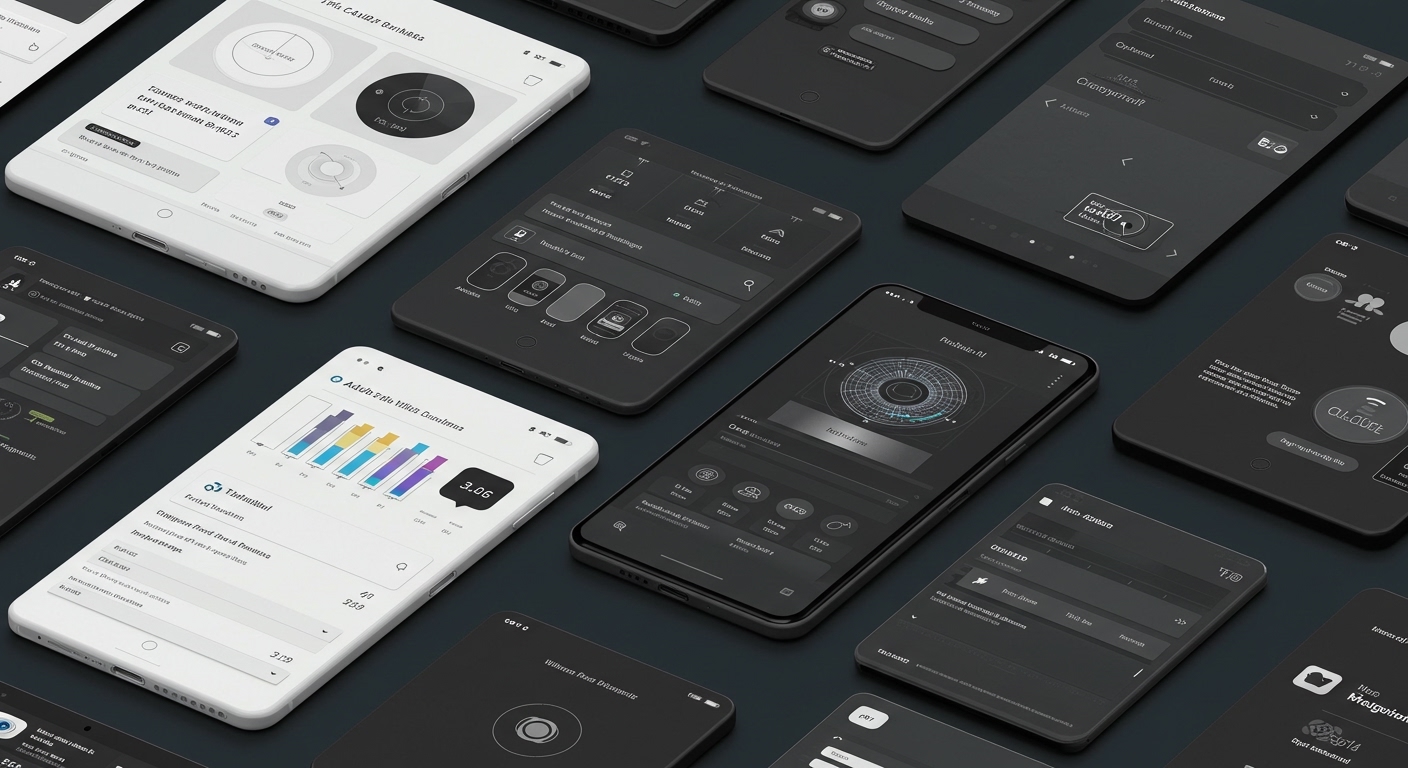
Anthropic just released Claude Design, highlighting the industry’s rapid adoption of AI for generating design artifacts.
This development, alongside discussions around AI’s ability to “start” faster but not “get it right,” reveals a critical shift in design labor. The cost of generating output has become transparent again, while the cognitive burden of verifying that output has increased exponentially for designers. The speed of AI generation creates an illusion of progress, often obscuring a greater demand for human oversight in ensuring usability and accessibility.

The idea that “Figma’s over” was a premature declaration. While AI agents produce screens rapidly, their output, often described as “vibecoded slop,” lacks the systemic rigor and human-centered insight required for cohesive product experiences. The mainstream opinion often frames AI as a tool that frees designers from mundane tasks, enabling them to focus on “higher-level” strategy. However, this view overlooks a critical truth: AI has not eliminated the mundane, but rather transformed it into an even more demanding verification and harmonization task. Designers are now presented with a high volume of plausible-but-imperfect outputs, requiring a deeper understanding of interaction patterns, accessibility standards, and design system constraints to correct and refine. The focus has moved from crafting pixel-perfect elements to auditing vast quantities of AI-generated permutations for subtle inconsistencies or violations. This redefines the “mundane” from repetitive creation to exhaustive error detection and correction. By mid-2027, the primary function of advanced design platforms will be less about generating novel interfaces and more about providing intelligent validation layers that check AI outputs against established design system rules, accessibility guidelines, and user research heuristics with precision.
This shift directly impacts how designers apply their expertise. For example, a “Figma Config talk” might showcase seamless AI integrations for component generation, but the real challenge lies in integrating these AI outputs into existing, complex design systems without introducing technical debt or usability inconsistencies across hundreds of screens. The psychological ownership of a product’s quality, previously focused on crafting a solution, now attaches to the designer’s ability to critically evaluate and own the correctness of AI-assisted solutions within a larger ecosystem. This demands a new level of analytical precision and a deep understanding of the underlying principles that current AI models struggle to internalize comprehensively, such as context-dependent interaction states or nuanced accessibility requirements for diverse user groups. Designers must become expert auditors, capable of spotting the “getting started is not getting it right” problem at scale.
The immediate drive from engineering teams to ship features faster, reflected in phrases like “Eng just shipped another PR!” and the pressure to “use more tokens,” acts as a strong opposing force. This prioritizes quantity and perceived velocity over the thorough, human-driven verification necessary to ensure quality and long-term usability.
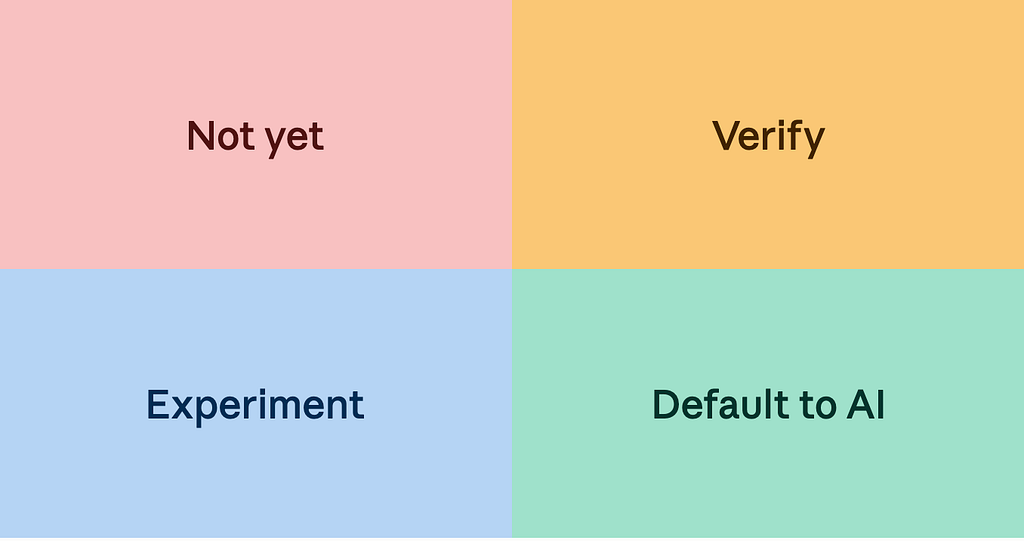
Working UI/UX professionals should immediately establish clear, quantifiable validation rubrics for all AI-generated design outputs. This involves systematically evaluating components and flows against specific accessibility criteria, established interaction patterns, existing design system components, and known user research insights, rather than relying on subjective aesthetic judgment or superficial correctness.
TL;DR
AI speeds up initial design creation, but shifts the core design burden to rigorous evaluation and validation of systematic quality.
Curated References
About this editorial — This piece was developed using AI-assisted research and curation across multiple industry sources. All analysis, opinions, and predictions represent the editorial perspective of JHDD. Sources are linked in the references section above.