JHDD Interior Report — 2026.08.16
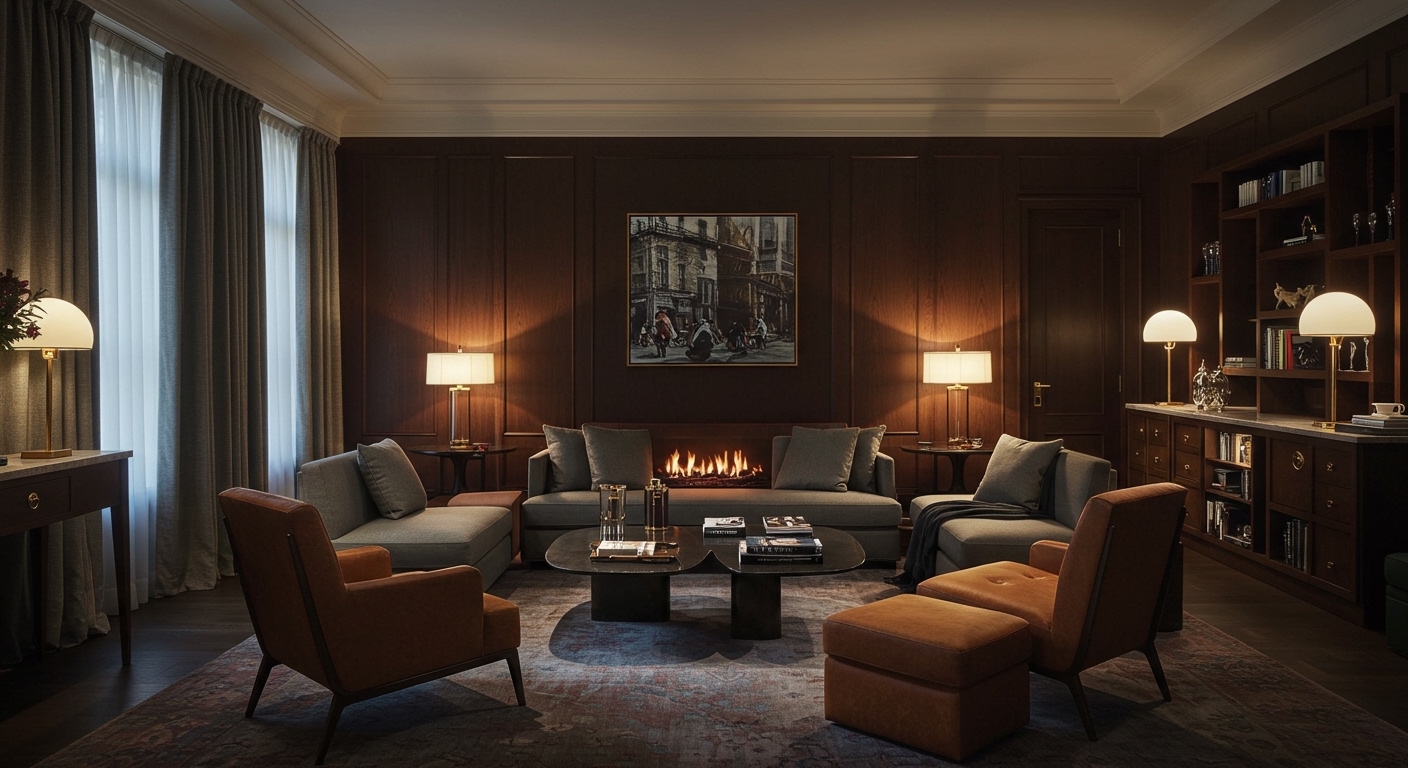
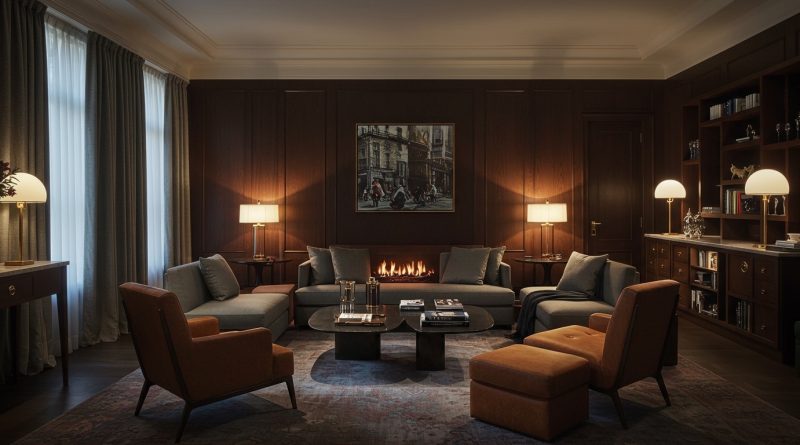
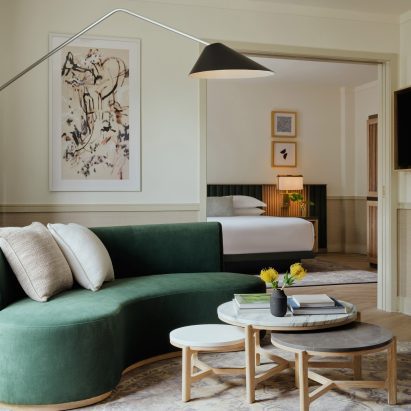
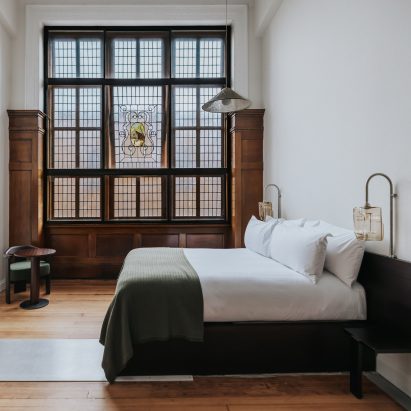
The Kimpton Ashbel hotel on Park Avenue, designed by Busta Studio, actively aims to feel like an “elegantly curated home,” blurring the distinction between private residence and public hospitality.
Across various projects, from retail to hotels, designers are navigating inherited architectural contexts and local identities. Whether a 1928 beaux-arts building or a 19th-century townhouse, the default response often involves either recreating a residential feel or deploying material palettes understood to evoke “heritage” or “local authenticity,” frequently through a selective curation of tactile surfaces. This widespread practice, while often presented as sensitive contextualisation, risks flattening distinct spatial identities into a predictable narrative of “comfort” or “character.”
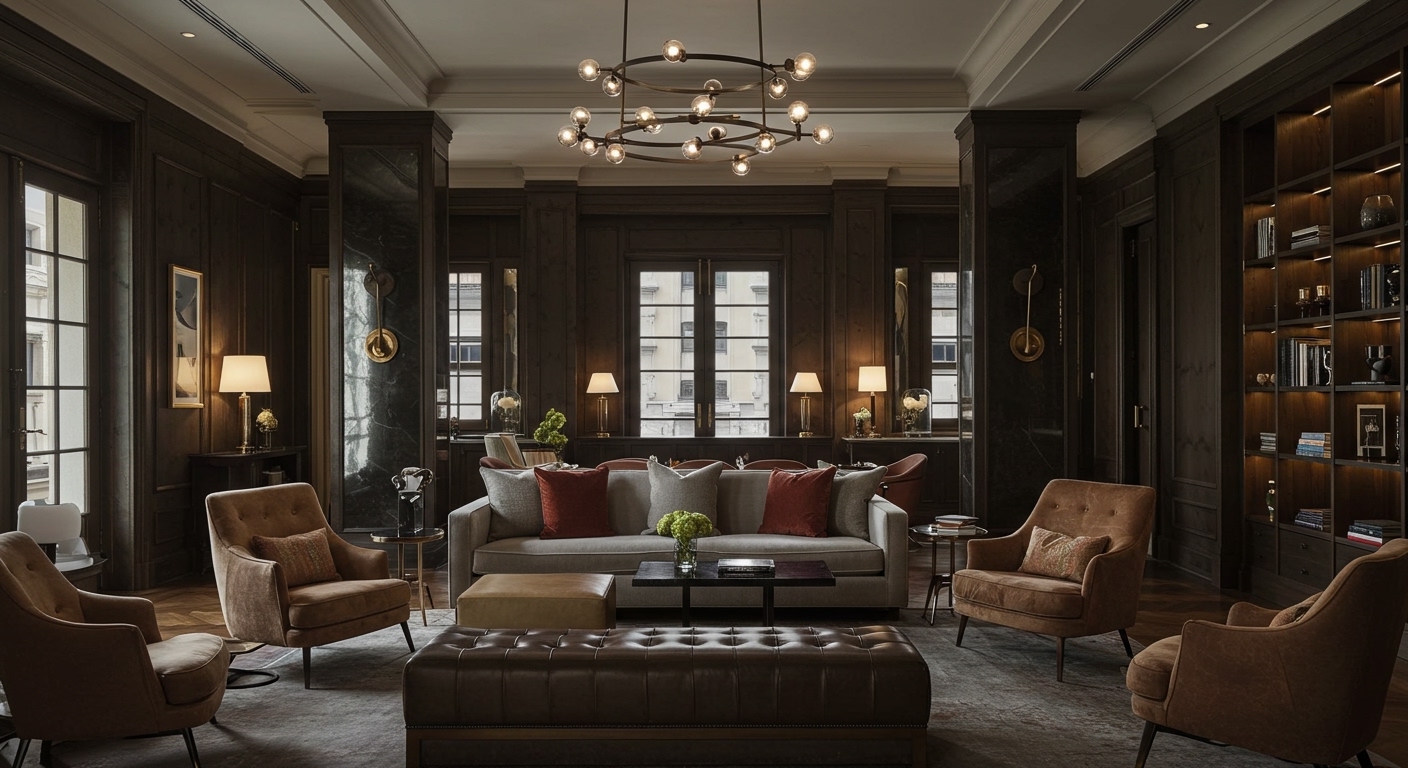
A-nrd’s transformation of the Arthouse Glasgow hotel demonstrates a prevailing approach: utilizing a “raw, honest material palette” to celebrate the city’s industrial past. Mainstream opinion frequently commends such designs for their transparency and connection to site history, often framing them as deeply authentic. However, this perspective overlooks the inherent tension such an approach creates, sometimes inadvertently, within the human experience of the space. Presenting “raw” materials, such as those that emulate industrial textures, can become an aesthetic shorthand for historical acknowledgment, rather than a deep integration that genuinely shapes spatial flow and tactile interaction. The deliberate roughness, if not handled with precise attention to specific human contact points, can communicate an intentional friction. This friction might be perceived by visitors as unwelcoming or conceptually didactic, rather than simply honest, altering the intended human flow through a sense of visual and tactile arrest, rather than smooth transition.
The true challenge lies in allowing these materials to evolve gracefully and respond to contemporary use, rather than merely presenting them as static historical markers. When surfaces are selected primarily for their initial “raw” visual impact, their capacity to absorb the patina of daily life, to invite touch, or to guide movement through subtle textural shifts often goes unaddressed. This can lead to spaces where the tactile quality is initially striking but ultimately alienating. By early 2028, design briefs will increasingly demand materials with demonstrable performance in aging, requiring specifications beyond initial appearance and immediate conceptual narrative. This will shift focus from mere textural honesty to materials that gain depth, warmth, and character through use and wear, rather than deteriorating or looking perpetually unfinished.
This critical shift encounters resistance from hospitality branding strategies that seek immediate, easily consumable visual narratives. The constant demand for “Instagrammable” moments often prioritizes bold, singular material statements over subtle, multi-layered tactile compositions that unfold over time and through varied human interaction. Brand managers frequently gravitate towards materials that instantly signal a prescribed identity, rather than those which offer complex, evolving sensory experiences or facilitate intuitive human flow. The quick visual hit often overshadows the deeper, more enduring qualities of a space.
Interior professionals should critically examine briefs requesting “local materials” or “heritage palettes” by proposing a material specification workshop focused purely on the haptic and auditory qualities desired for key touchpoints within the intended spatial flow. Clients should be guided to select materials not just for their visual texture or origin story, but for how they feel to the hand, how they resonate sound, and how their surface temperature changes. This practice encourages a design process that prioritizes embodied experience over superficial historical mimicry or aesthetic trend.
TL;DR
The pursuit of “local” or “homely” in design risks superficiality if not anchored by deep engagement with material aging and sensory human interaction.
Curated References
About this editorial — This piece was developed using AI-assisted research and curation across multiple industry sources. All analysis, opinions, and predictions represent the editorial perspective of JHDD. Sources are linked in the references section above.