JHDD Architecture Report — 2026.08.16
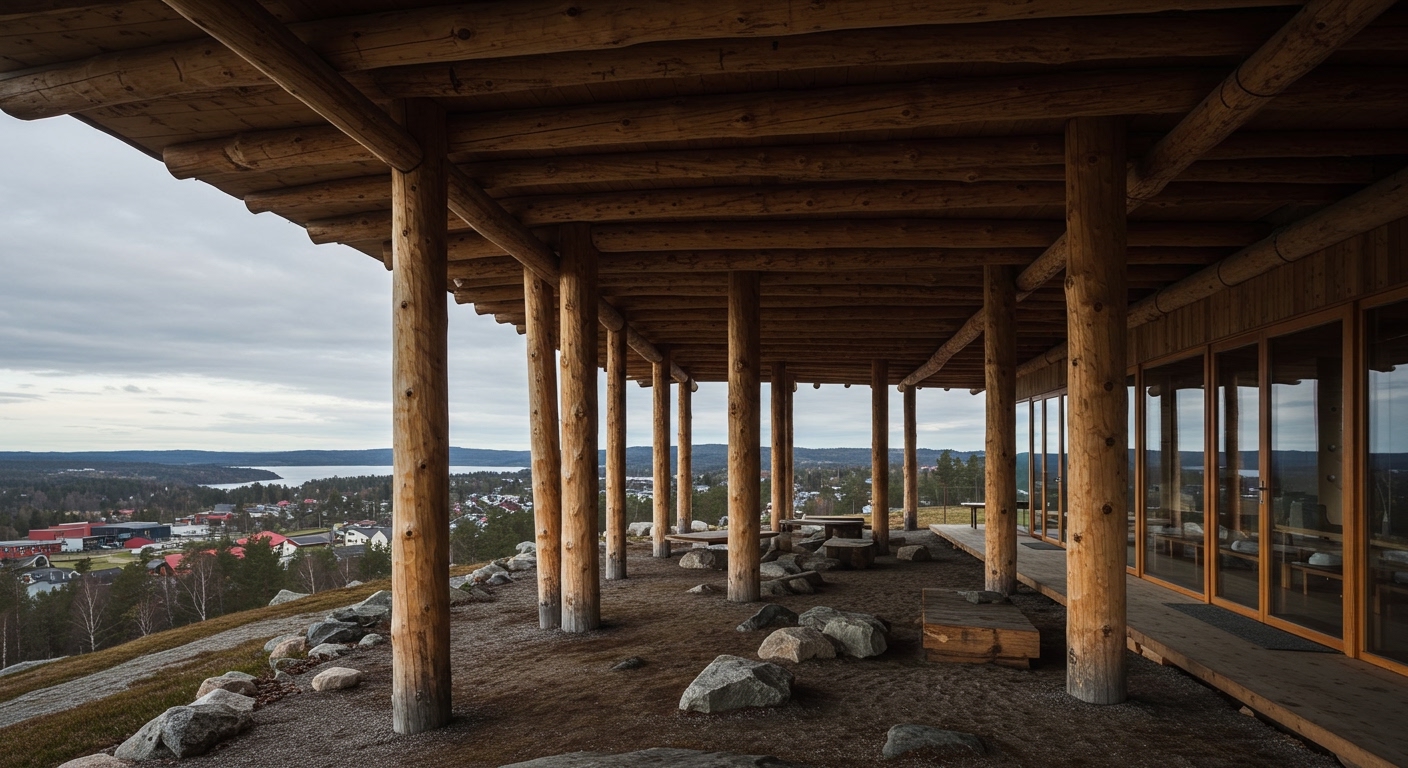
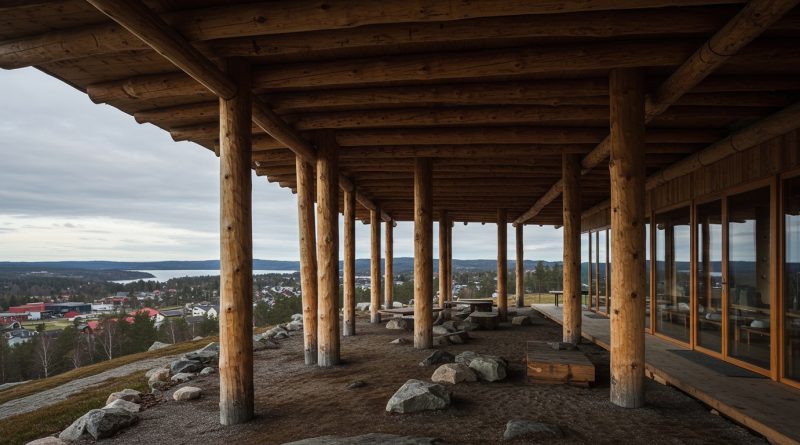
Helen & Hard’s Cabin Sande frames panoramic views with sprawling tree-like columns made from uprooted spruce trees.
This specific detail, alongside projects like Ábaton’s Villa Arena and Podrecca Architects’ renovation of “MANZ Bel Étage,” reveals a shared commitment to building from the immediate context. Whether it is a family’s quest for calm within a coastal landscape, a precise structural response to a protected headland, or the respectful reimagining of a historic Adolf Loos design, each project demonstrates an architecture deeply embedded in its specific physical, historical, or material realities. The common thread is a profound sensitivity to what already exists on site or in memory, rather than imposing a universal architectural language.
Mainstream industry opinion often champions quantifiable metrics for sustainability, focusing on energy efficiency and certified materials. Helen & Hard’s approach with Cabin Sande, utilizing entire uprooted spruce trees as structural and aesthetic elements, challenges this narrow view. It posits that true material innovation and sustainability lie in understanding the inherent structural properties and forms of local, often undervalued, natural resources. This is not merely about using timber; it is about respecting and integrating the full, complex geometry of the tree, branches and root plate included, into the structural philosophy of the building. This echoes the Arts and Crafts movement’s emphasis on how things were made, who made them, and the dignity embedded in the making process, extending it to the very source material itself.
The use of uprooted trees as structural columns exemplifies a deeper material honesty, moving beyond surface-level finishes to integrate the raw, found form. Such an approach prioritizes an intimate understanding of specific site ecology and available resources over generic material specifications. By mid-2027, this re-evaluation of ‘waste’ or unconventional natural forms will drive specialized research into the structural integrity and preservation of root systems and non-standard timber sections for small to medium-scale construction, particularly in regions with abundant forest resources.
The principal opposing forces to this localized, site-specific approach are globalized supply chains and standardized building codes. These systems are designed for efficient mass production and predictable material performance, making it difficult to incorporate unique, non-uniform natural elements. The market’s continued preference for larger electric SUVs, despite the technical viability and urban suitability of compact models, reflects a similar resistance to optimizing for context and efficiency when scale and perceived status dominate.
Architecture professionals should this week investigate local material waste streams or natural byproducts in their immediate vicinity, understanding their latent structural potential rather than defaulting to engineered or standardized components. This involves direct engagement with local arborists, sawmills, or even demolition sites to identify and quantify unconventional resources.
TL;DR
Authentic architectural value emerges from deep engagement with specific site materials and existing constraints.
Curated References

About this editorial — This piece was developed using AI-assisted research and curation across multiple industry sources. All analysis, opinions, and predictions represent the editorial perspective of JHDD. Sources are linked in the references section above.