JHDD Packaging Report — 2026.08.14
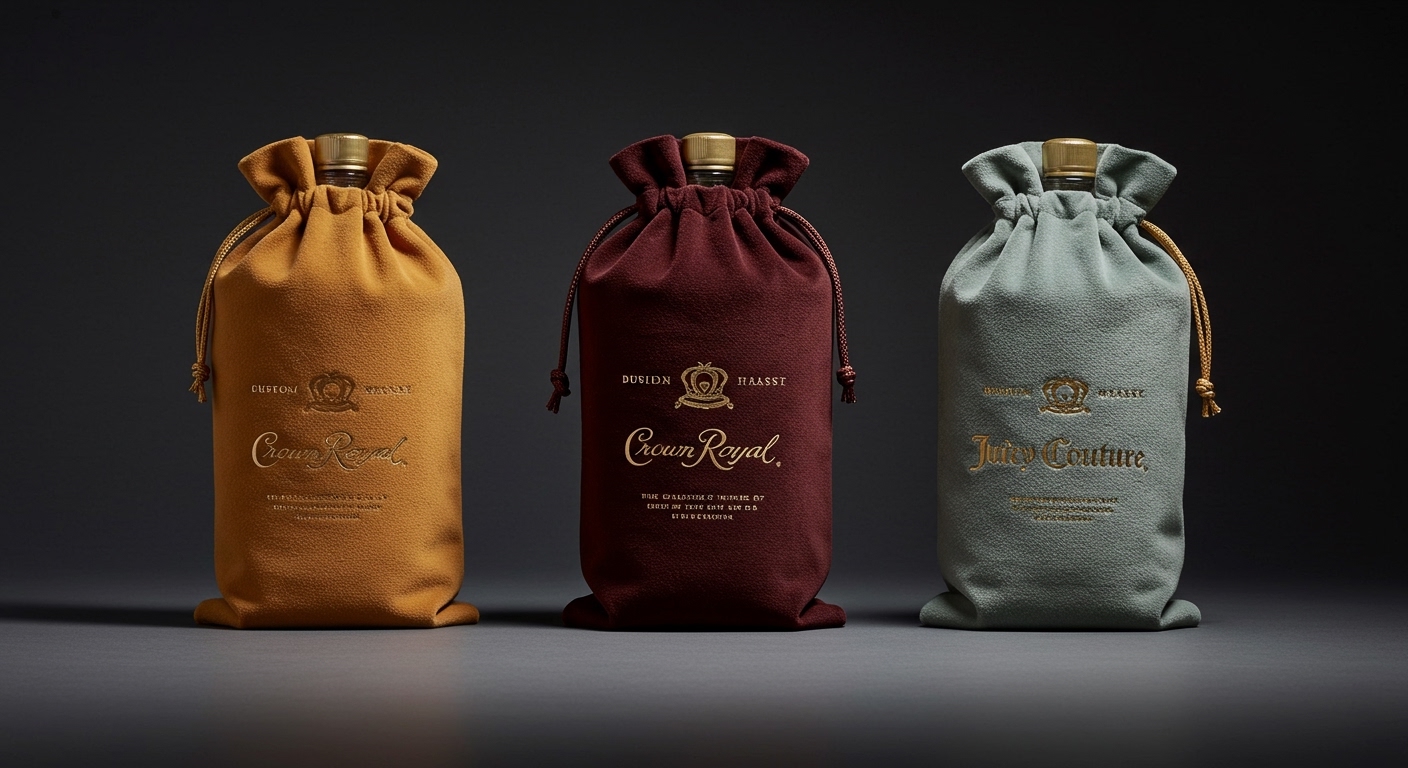
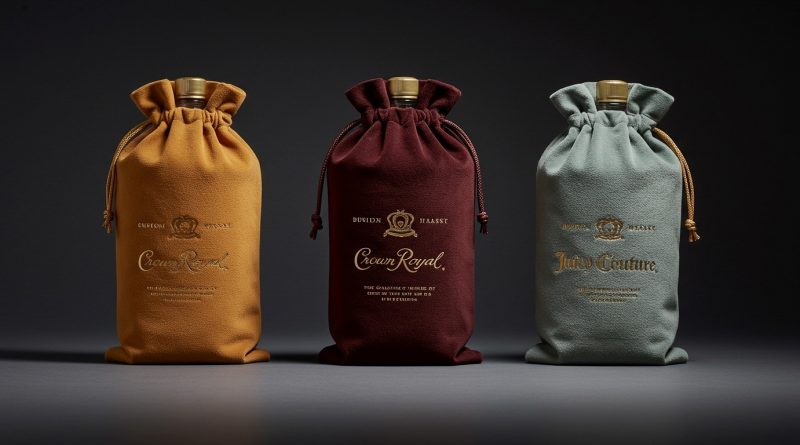
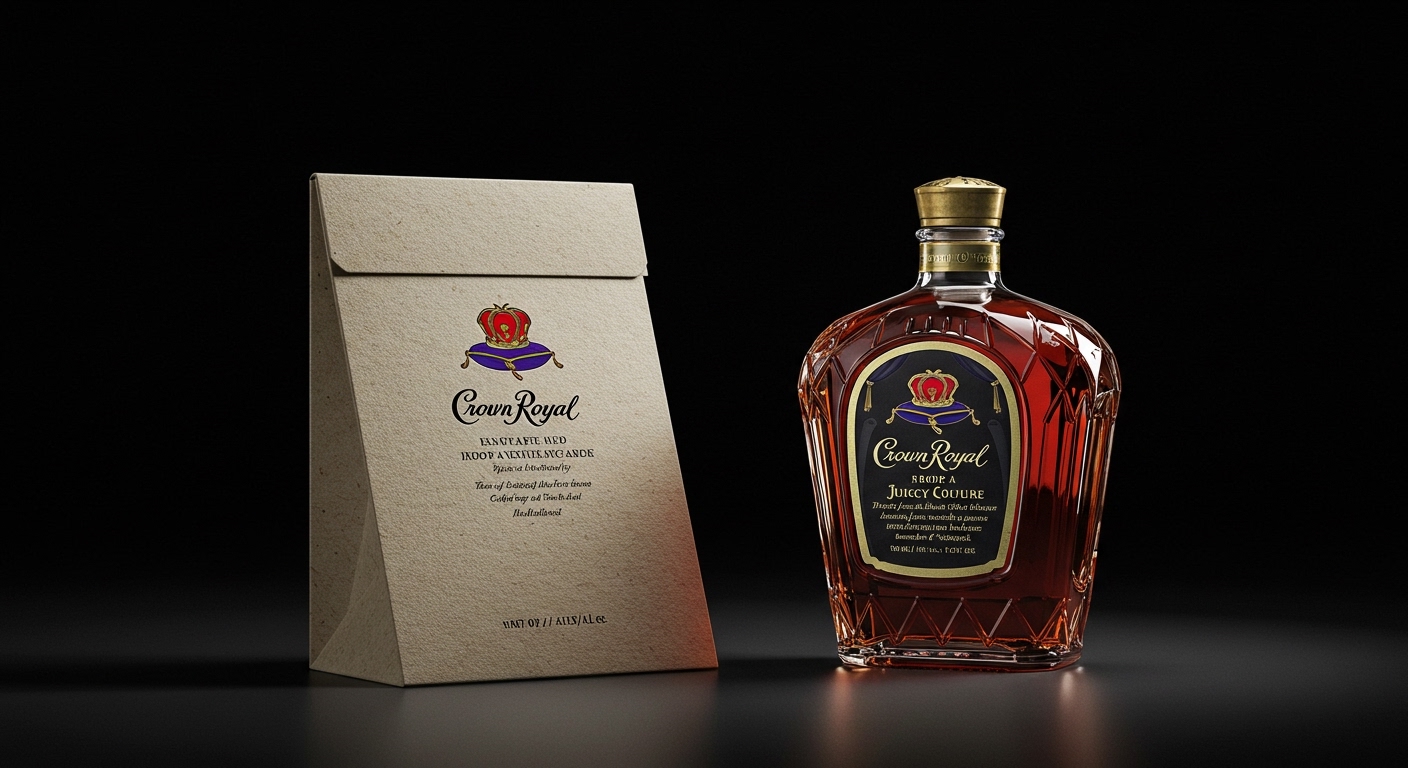
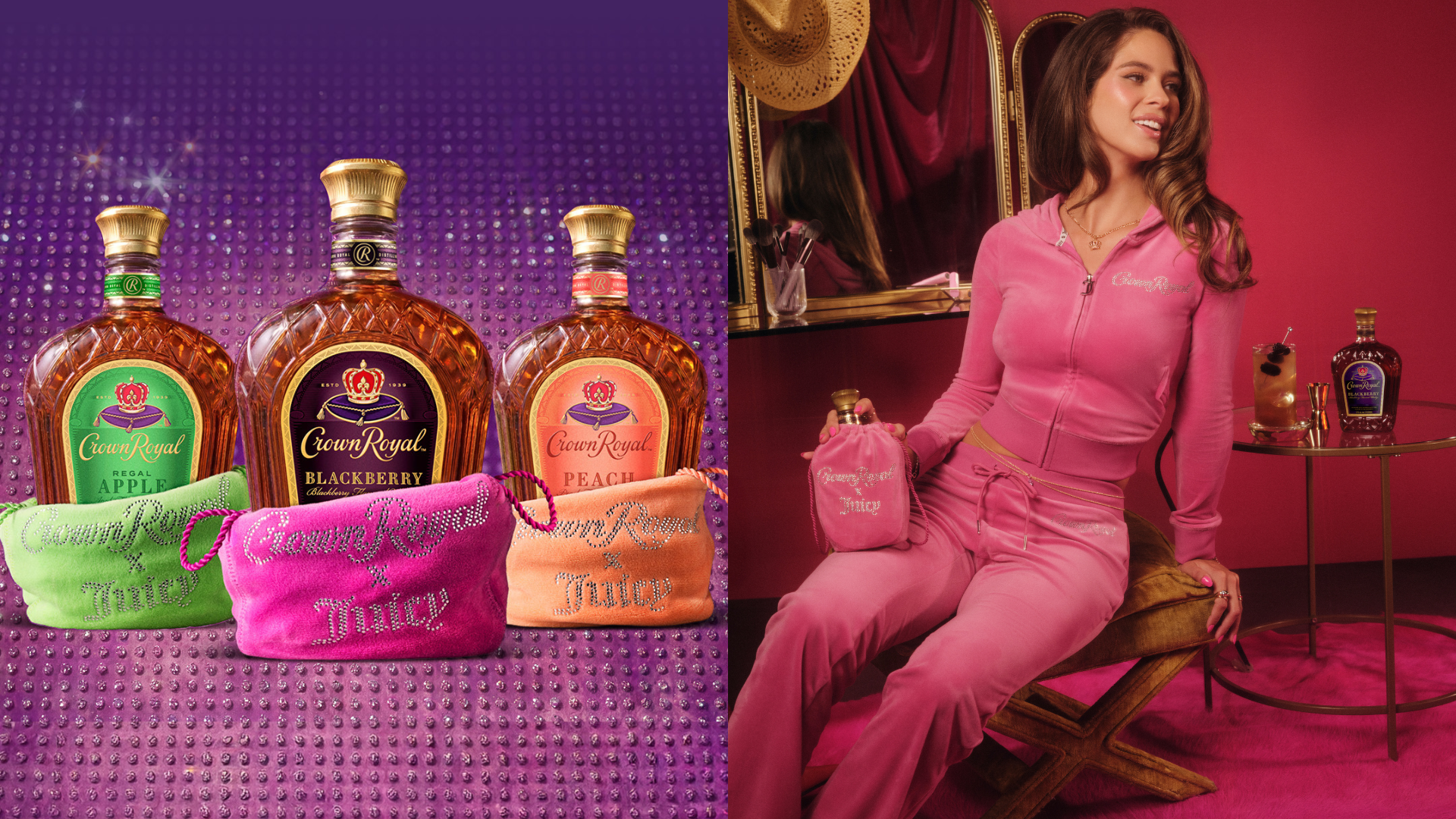
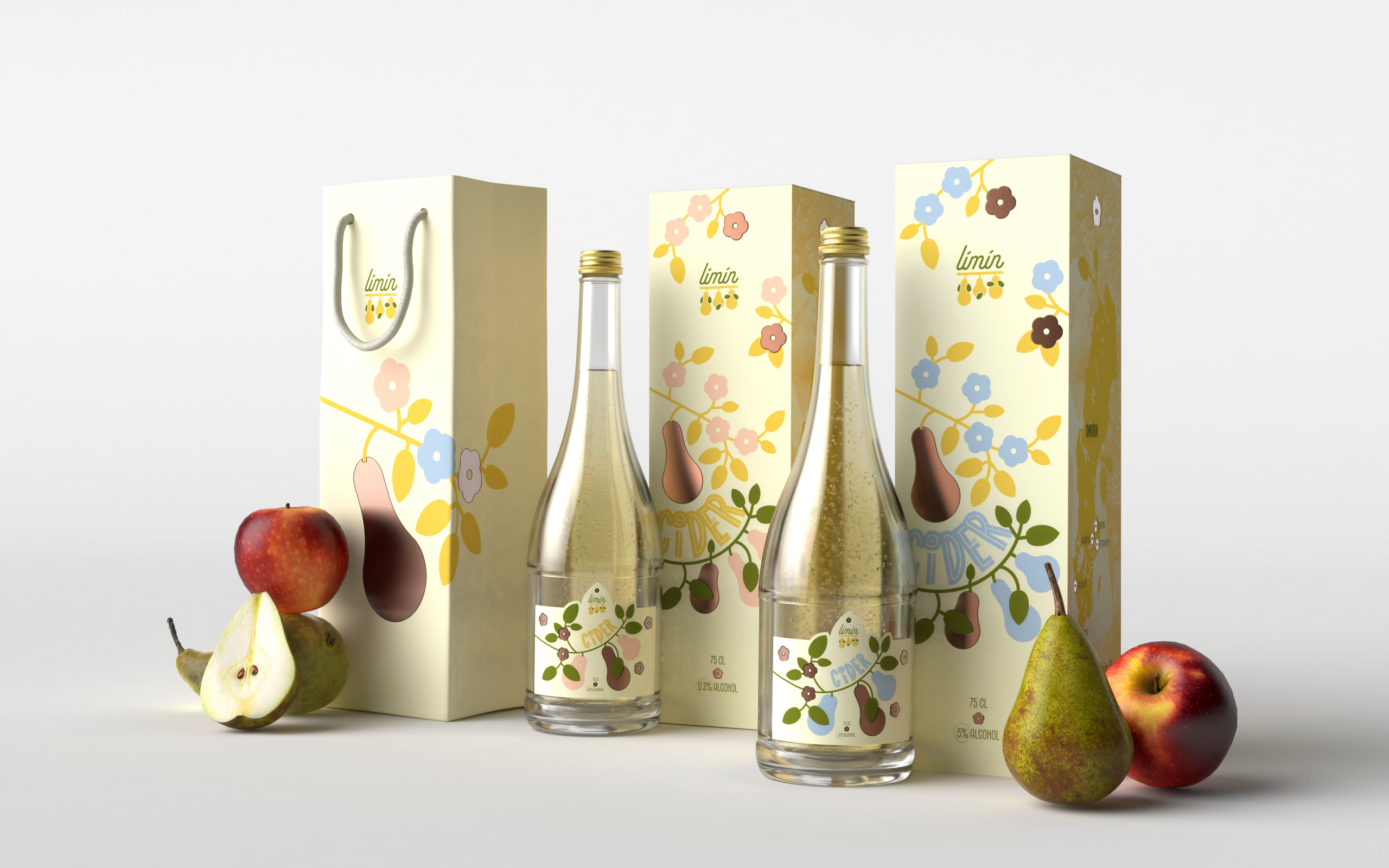
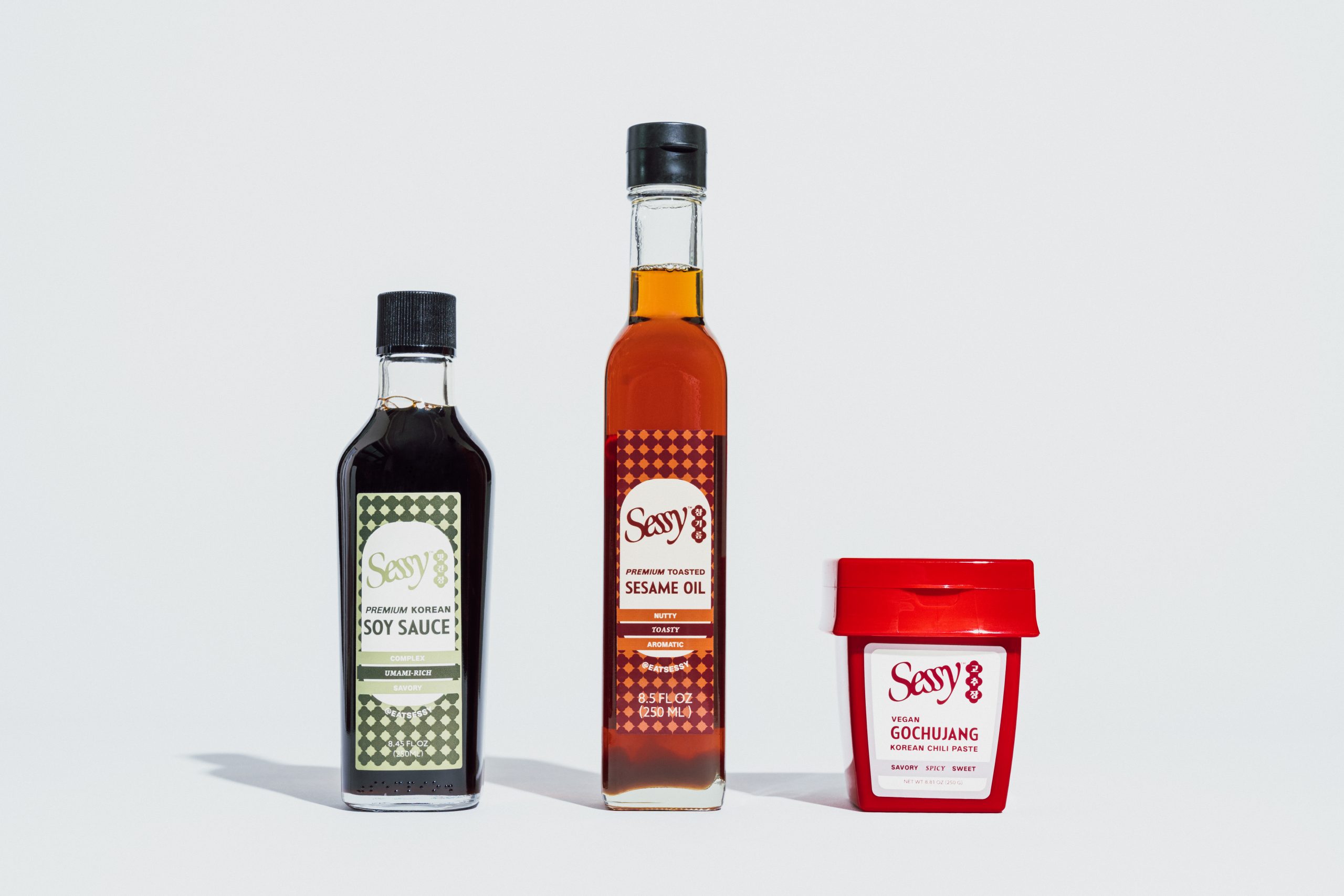
The custom whisky bottle bags for Crown Royal and Juicy Couture, crafted from a velvety material, signal a broader industry shift. This collaboration, alongside Maybe energy drink’s soft fruit illustrations, Limin’s Pear Cider’s traditional floral textiles, and Chef Esther Choi’s heritage-infused Sessy pantry essentials, reveals a shared pivot towards packaging that prioritizes highly specific sensory engagement and narrative depth. Brands are moving beyond generic visual cues, opting instead for tactile richness and detailed storytelling to connect with consumers on a more personal level. The emphasis is on nuanced experience rather than just immediate, overt messaging.
Limin’s Pear Cider explicitly “replaces sustainable minimalism” with a gentle pear branch pattern and honest gold foil, presenting a direct challenge to the prevailing notion that eco-conscious packaging must appear understated or raw. Mainstream industry thought often dictates that “sustainable” visual language must be muted, unbleached, or overtly utilitarian. This view, however, overlooks a critical aspect of sustainability: product longevity and emotional attachment. When packaging possesses a captivating aesthetic and tactile quality, like Limin’s intricate patterns or Crown Royal’s plush velvet, it invites interaction, contemplation, and often, reuse. A beautifully designed package is less likely to be discarded immediately, thus extending its perceived value and reducing its environmental footprint through deferred waste.
The true value in packaging sustainability is not solely in its material composition but also in its capacity to delay its journey to landfill. By fostering an emotional connection through sophisticated tactile branding and rich visual narratives, brands like Maybe, with its non-aggressive branding, create artifacts consumers might keep or display. This approach moves beyond the surface-level appearance of sustainability to embed it deeply within the user’s experience. Predictions suggest that by mid-2027, brands prioritizing highly detailed, emotionally resonant, and tactilely diverse packaging, even with traditionally “luxurious” finishes, will see greater consumer retention and perceived brand value in the sustainability sphere than those adhering strictly to minimalist, raw aesthetics.
This evolution encounters resistance from established supply chain infrastructures and procurement teams whose metrics often prioritize cost efficiency and simplistic material sourcing over the complexities of nuanced design or premium tactile finishes. The prevailing “lean and green” procurement mindset frequently equates sustainability with material reduction and basic recyclability, overlooking the extended lifecycle value offered by more engaging, durable packaging. These forces resist investment in bespoke textures or intricate patterns, perceiving them as unnecessary expenditures rather than long-term sustainability assets.
A working packaging professional should immediately integrate sensory prototyping into their early-stage design sprints. Rather than presenting 2D mock-ups, teams should develop physical prototypes that allow for hands-on evaluation of proposed textures, weights, and finishes, assessing their impact on perceived product quality and potential for reuse. This involves actively sourcing and testing a diverse range of materials that offer unique tactile experiences, even if they initially appear more costly than standard options.
TL;DR
Meaningful packaging sustainability stems from emotional durability and rich sensory engagement, not just minimalist aesthetics.
Curated References


About this editorial — This piece was developed using AI-assisted research and curation across multiple industry sources. All analysis, opinions, and predictions represent the editorial perspective of JHDD. Sources are linked in the references section above.