JHDD Architecture Report — 2026.08.12
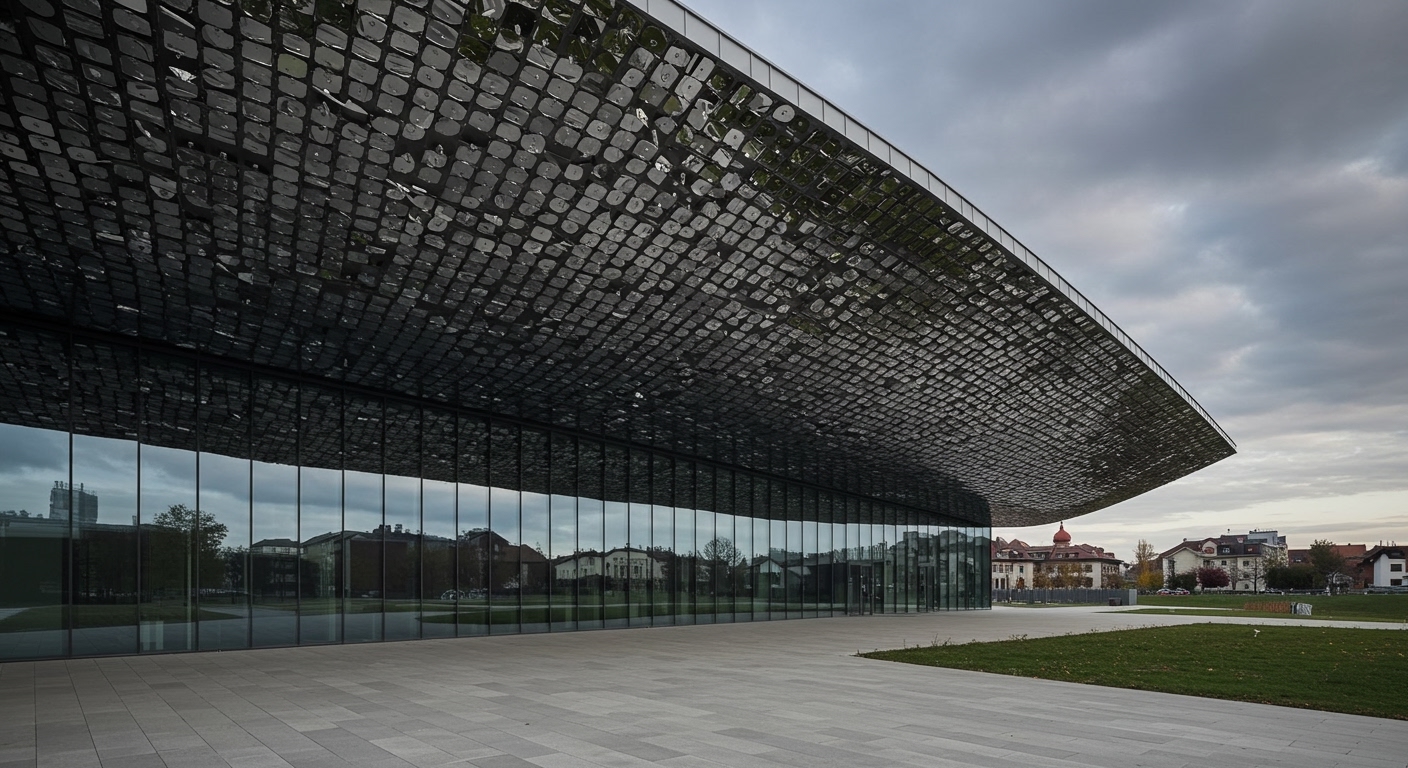
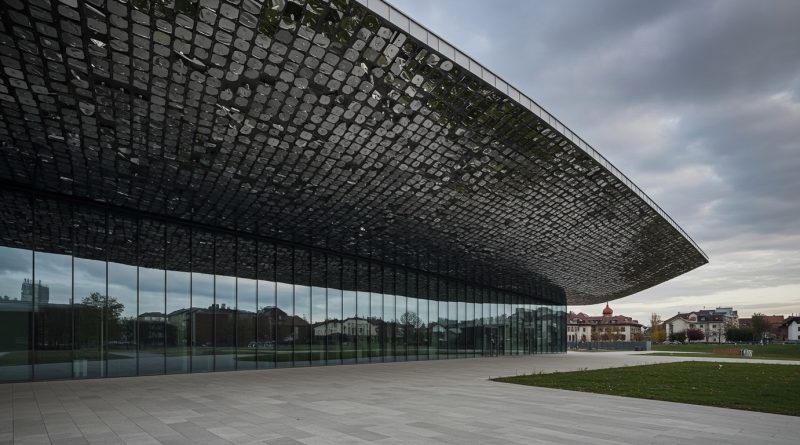
Studio Maks’ undulating mirrored roof on the VISTA Science Experience Centre in Austria employs thousands of reflective surfaces to create its distinctive form.
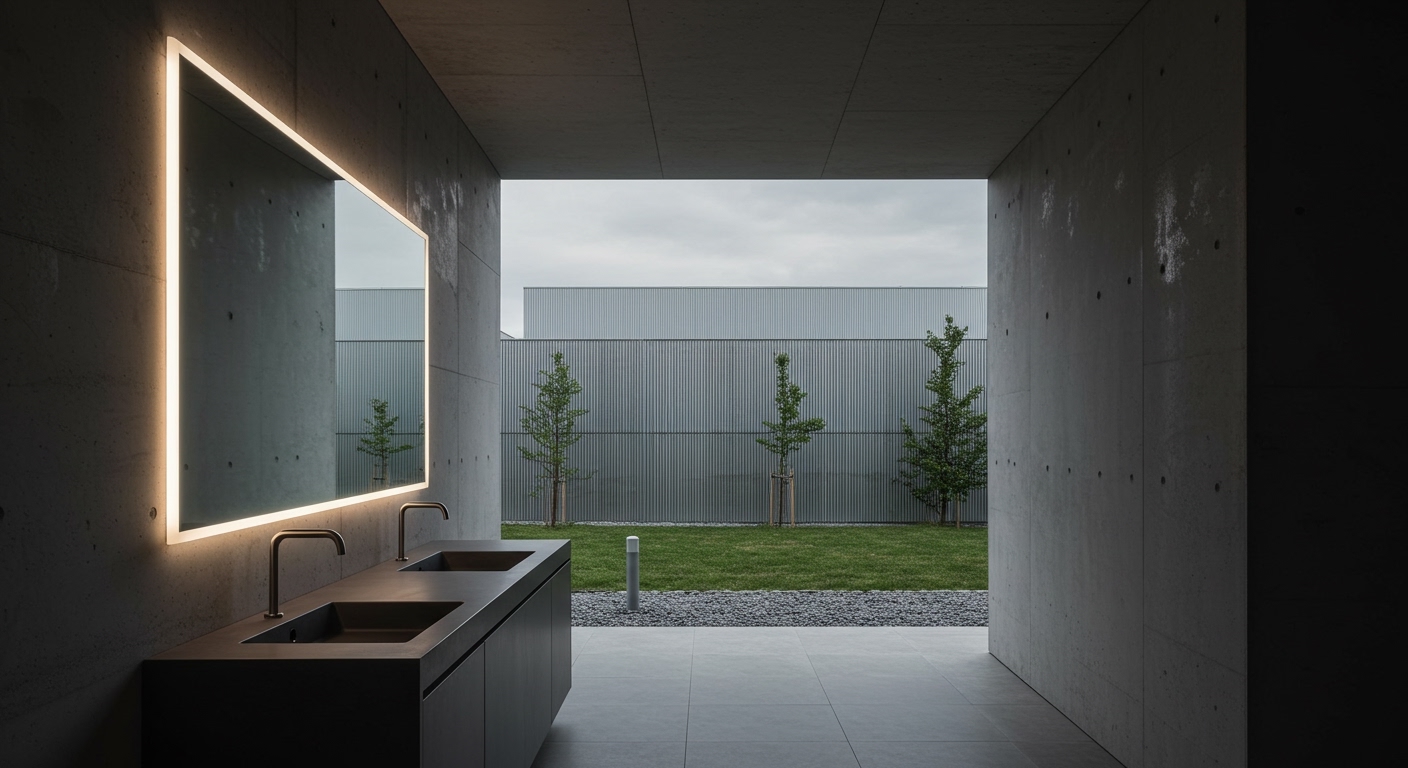
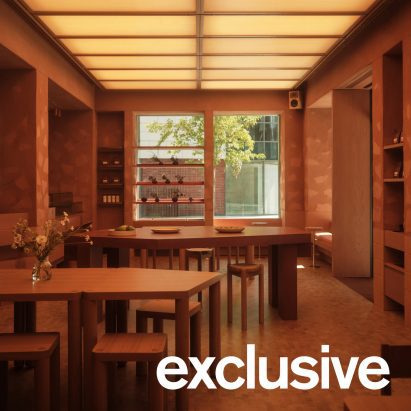
This deliberate use of specific surfaces, from KaschKasch and Villeroy & Boch’s hand-glazed Antao Earth washbasins to EBBA Architects’ clay plaster finishes at the Cup of Joy cafe, points to a subtle yet significant re-engagement with materiality. These examples demonstrate a move away from generic finishes towards components that embody their process or context. It is a shift where the surface communicates a deeper story, whether of craft, origin, or a connection to place, rather than simply presenting a clean aesthetic.
Mainstream industry dialogue often prioritizes material performance metrics and cost-efficiency above all else, advocating for standardized products that streamline construction processes and minimize variables. This efficiency-first orthodoxy dictates that successful material application means uniformity and predictable outcomes, often at the expense of character. However, the work seen in projects like the BPROM House by OAD, situated on a Riga riverbank and drawing on Baltic ethnography, challenges this prevalent notion. OAD’s approach of blending ancient local traditions with modern living suggests that true sustainability in architecture is not solely about optimizing embodied carbon in a vacuum; it also involves cultivating a durable relationship between structure, site, and cultural memory. The design does not merely reference history but integrates material expressions that resonate with the region’s tactile heritage, establishing a deeper, more resilient connection to place.
The conventional belief that material integrity is achieved through consistent, repeatable industrial processes overlooks the inherent value of variation and specificity. The Antao Earth washbasins, designed by KaschKasch for Villeroy & Boch, exemplify this counter-narrative with their hand-applied Artisan Glaze, deliberately highlighting natural colour variations. This technique allows the material to express its own character rather than being forced into an artificial uniformity, acknowledging that individual expressions within a material can enhance its perceived value and foster a lasting emotional connection that reduces the cycle of obsolescence. Architects frequently dismiss such unique material applications as purely decorative flourishes. This view misses that these choices are structural to how a building is perceived, inhabited, and ultimately cared for over its lifespan, influencing its durability and social resonance. The material itself, through its honest expression, begins to articulate an implicit structural philosophy rooted in authenticity. By mid-2027, the industry will begin to quantify the “cultural value” of materials and craftsmanship, moving beyond simple embodied carbon calculations to include metrics that assess a project’s integration with local heritage and its contribution to regional identity, influencing major certification schemes.
The primary resistance to this shift comes from globalized supply chains and standardized construction methodologies that favor volume production and predictable outcomes. These systems, driven by short-term economic models, actively disincentivize artisanal skill or localized material sourcing that could introduce variability or extend procurement timelines. The constant pressure for faster, cheaper delivery often sidelines any consideration for the specific narratives embedded within bespoke materials or traditional construction techniques. Building product manufacturers and developers, fixated on economies of scale, often view unique material expressions as hindrances to market efficiency.
An architecture professional should revise their standard material specification templates to explicitly include criteria for local sourcing radii and documented craft processes, beyond mere performance data. This means actively seeking out and specifying materials where the manufacturing or application process is transparent and contributes to local economies or traditional skills, rather than defaulting to globally available, anonymous options.
TL;DR
Material specificity and local craftsmanship offer architectural longevity and cultural relevance beyond industrial standardization.
Curated References


About this editorial — This piece was developed using AI-assisted research and curation across multiple industry sources. All analysis, opinions, and predictions represent the editorial perspective of JHDD. Sources are linked in the references section above.