JHDD Packaging Report — 2026.08.12
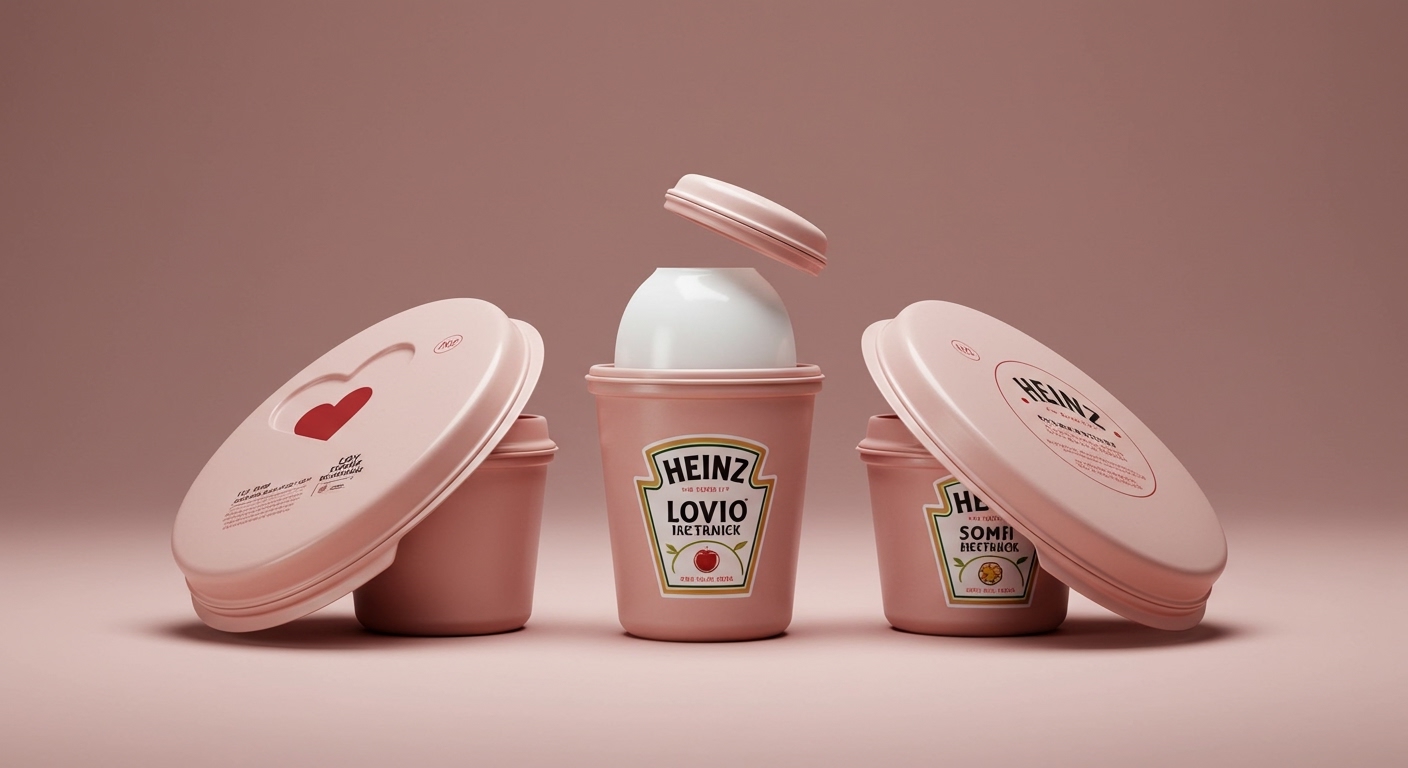
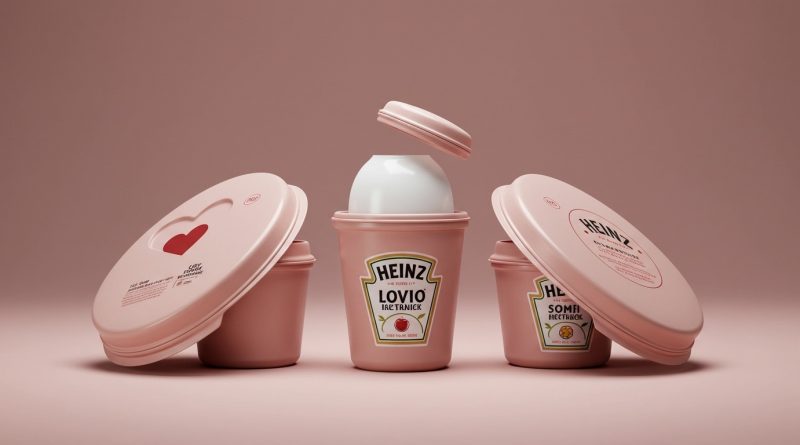
The Heinz Love Lid demonstrates a strategic shift toward user-controlled interaction directly at the point of product dispensation.
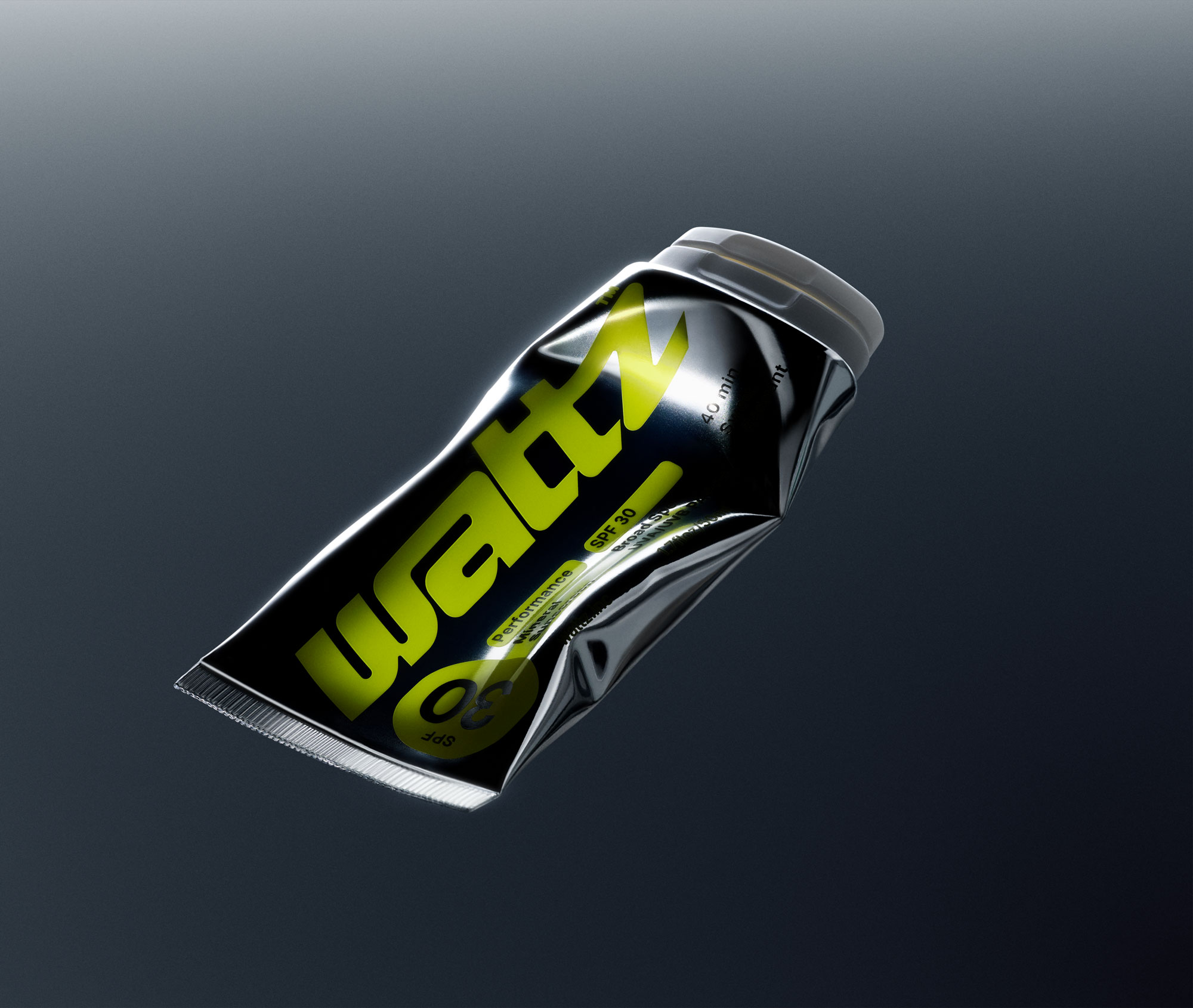
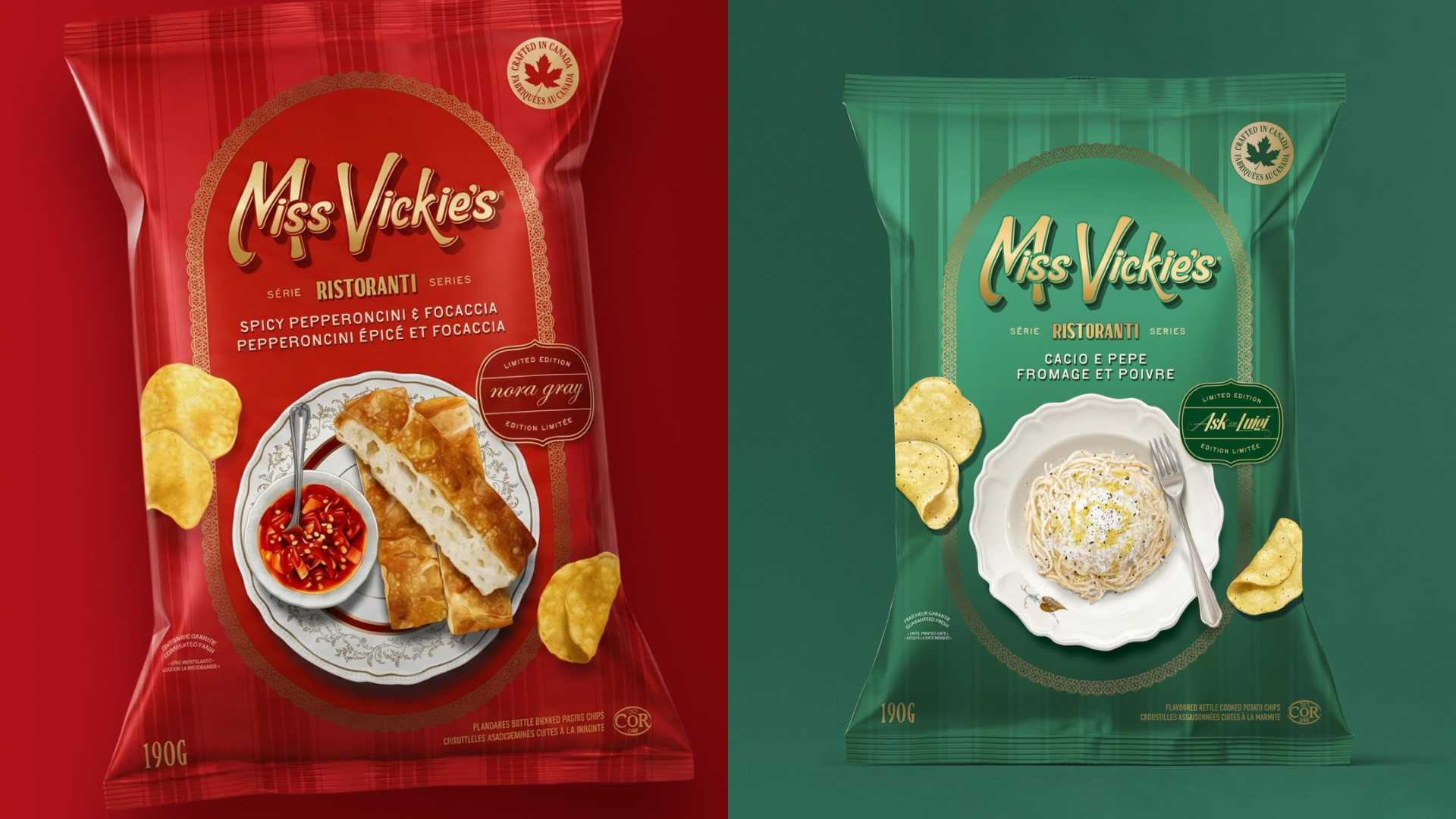
This push for active user engagement permeates recent packaging innovations. Across diverse categories, from Miss Vickie’s Ristoranti Series with its hand-illustrated storefronts to Wattz turning sunscreen into gear, brands prioritize packaging that transcends mere containment. They are crafting tangible extensions of experience, inviting consumers to participate in a specific narrative rather than simply consume a product. This pattern reflects an increasing demand for packaging that serves as a direct conduit for identity expression and sensory delight, making the act of interaction part of the product’s value.
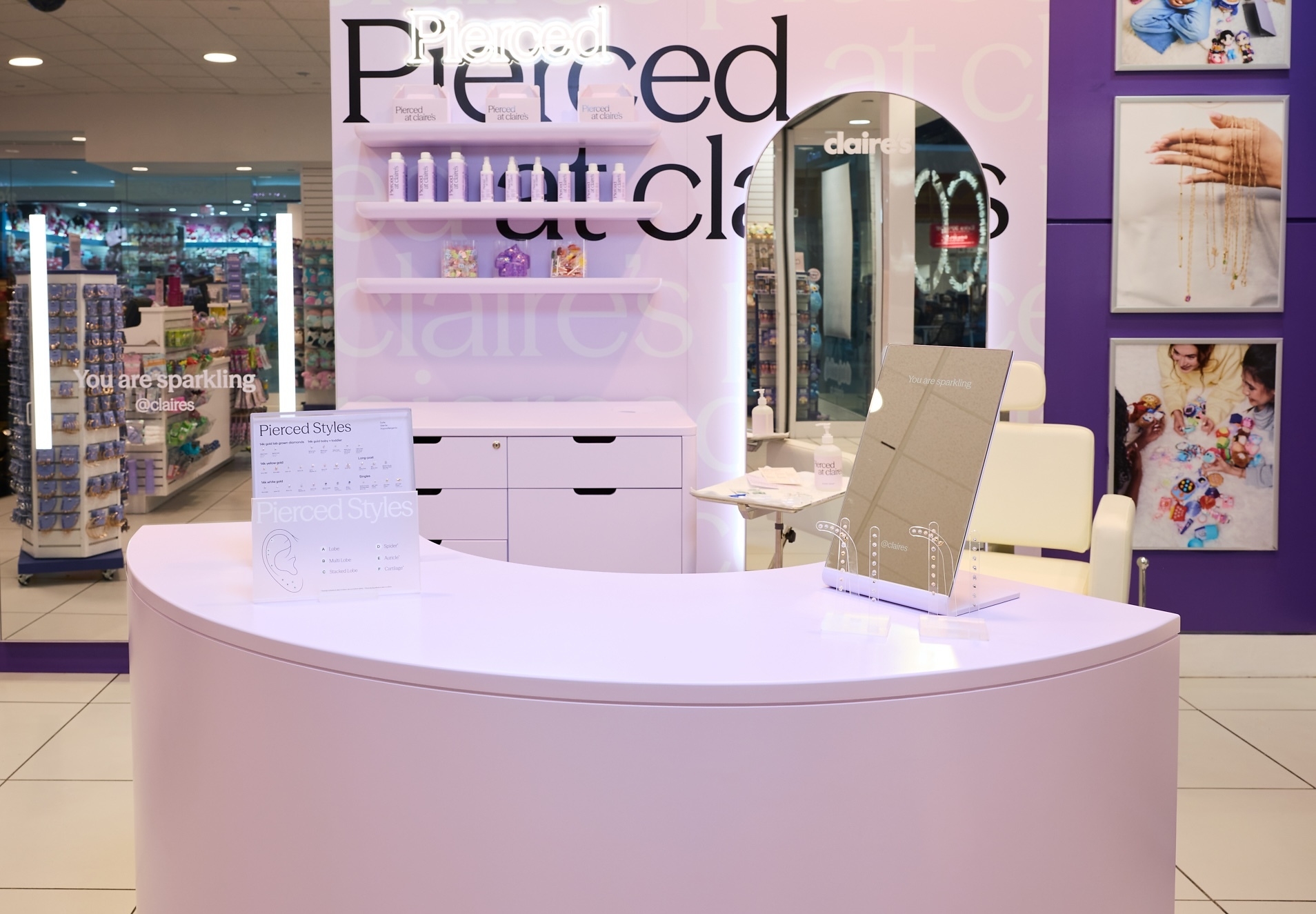
Consider Claire’s, for example. Its strategic refresh, including a new signature color Lilith and packaging designed for documentation, speaks directly to a generation keen on sharing experiences. Conventional wisdom often dictates that truly sustainable packaging must be streamlined, minimalist, and materially homogeneous to reduce environmental impact. This perspective frequently pushes towards a universal, “invisible” aesthetic. However, Claire’s demonstrates that highly specific, visually rich packaging can be profoundly effective. By creating packaging that is inherently shareable and aligns with a distinct generational aesthetic, the brand elevates the unboxing into a performative act, which can paradoxically extend the perceived lifespan of the packaging’s value beyond its primary protective function. This contradicts the notion that all sustainable packaging must recede into the background; instead, it argues for packaging as an active, celebrated component of the brand’s social currency.
The tactile experience is paramount here. Claire’s packaging is handled, opened, photographed, and potentially kept. This emphasis on packaging as a curated object, rather than a disposable wrapper, represents a significant divergence from the bulk-efficiency model. Within two years, more brands will invest in haptic design audits for their packaging, focusing on aspects like paper stock textures, debossing, or even custom opening mechanisms that enhance sensory engagement. This will not solely be for luxury items, but will extend to everyday goods seeking to cultivate deeper user connection and combat product commoditization. Brands will leverage material innovation not just for recyclability, but for distinctive surface finishes and structural integrity that invite touch and re-use.
This evolution faces resistance primarily from entrenched procurement models and the pursuit of extreme cost efficiency. Supply chain managers often prioritize the lowest unit cost and maximum material homogeneity, viewing bespoke tactile elements or interactive features as unnecessary expenses. Furthermore, the complexities of creating truly recyclable or compostable multi-material constructions that also offer rich sensory experiences present significant manufacturing challenges, slowing adoption where simple, mono-material solutions are perceived as more straightforward for sustainability goals.
Packaging professionals should, this week, conduct a sensory mapping exercise for their flagship product’s entire user journey. This involves identifying every single point of physical interaction with the package, from shelf grab to final disposal. For each touchpoint, evaluate the current tactile feedback, visual cues, and opening mechanism. Then, brainstorm at least one specific, low-cost material or structural adjustment that could elevate that interaction from passive to actively engaging, focusing on unique textures, surprising haptic responses, or intuitive, satisfying opening rituals. This process shifts focus from purely functional attributes to experiential value.
TL;DR
Packaging must evolve from mere container to active participant in the consumer’s identity and experience, using sensory and tactile design to drive engagement.
Curated References


About this editorial — This piece was developed using AI-assisted research and curation across multiple industry sources. All analysis, opinions, and predictions represent the editorial perspective of JHDD. Sources are linked in the references section above.