JHDD Packaging Report — 2026.08.11
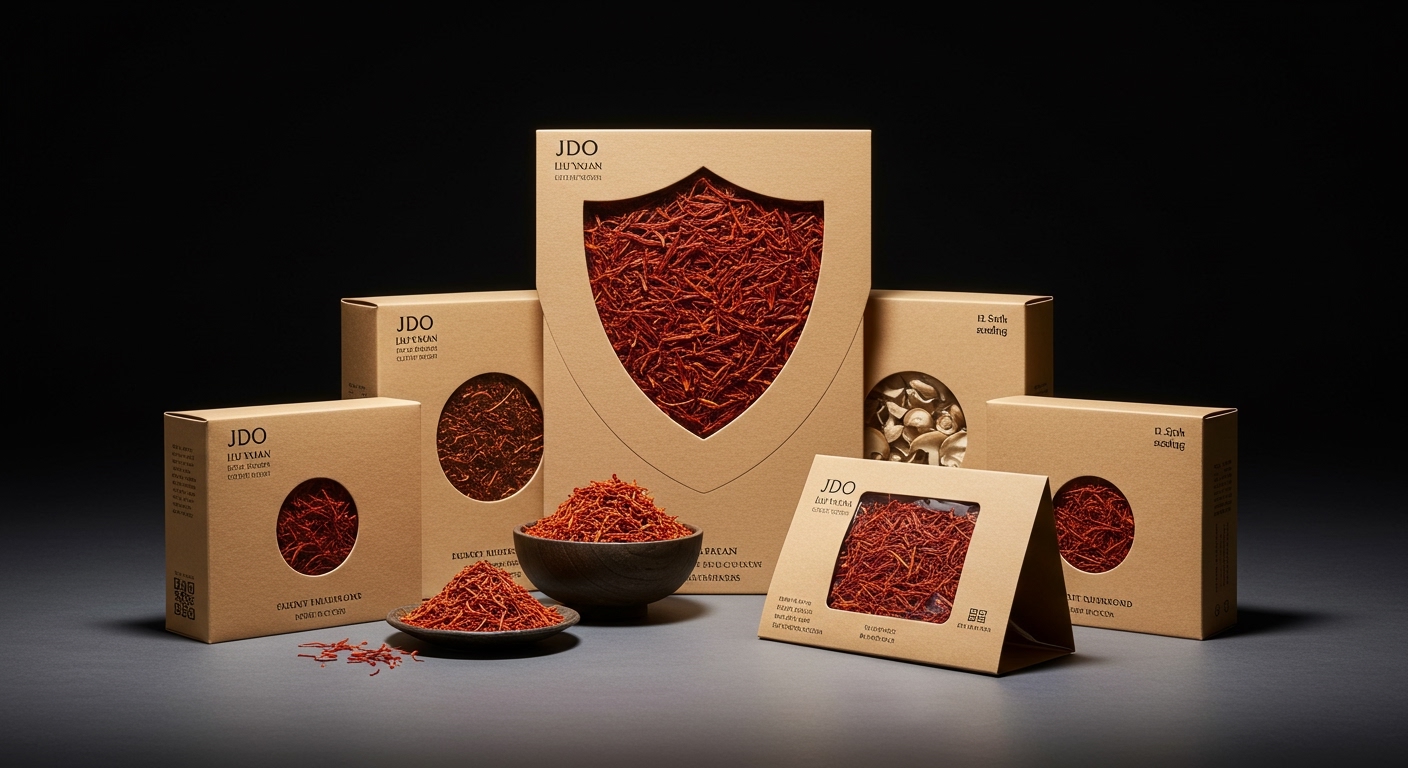
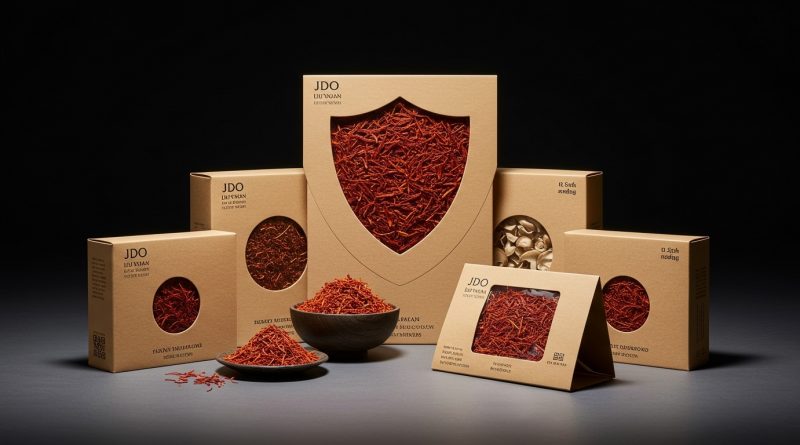
JDO’s work for Liu Yue Xian employs a die-cut shield to frame rare mushrooms and saffron, elevating everyday seasoning to a collectible item.
These examples reveal an accelerating trend where brands invest heavily in transforming utilitarian products into curated sensory experiences. This strategy extends shelf impact into the home, making the act of acquiring and opening a product as significant as its use. The visual and tactile elements of packaging are no longer secondary, but central to driving consumer engagement and perceived value, often through consumer-generated content.
JDO’s Liu Yue Xian project, where a die-cut shield presents ingredients like gallery pieces, exemplifies this shift. It prioritizes the initial sensory encounter over mere product protection, effectively repositioning a commodity as a luxury. This approach, which emphasizes the tactile and visual elements of discovery, often faces criticism for potential material excess, especially in sustainability circles. Mainstream opinion frequently equates elaborate packaging, particularly unboxing kits like Poppi’s Sour Apple mailer, with environmental irresponsibility due to material volume and perceived disposability.
However, this perspective overlooks the critical role of emotional connection in fostering product longevity and reducing overall consumption. When packaging transforms a product into something “worth collecting”—as JDO’s Liu Yue Xian project demonstrates by presenting ingredients like gallery pieces—it cultivates a deeper relationship between consumer and brand. This heightened perceived value can lead to less waste by encouraging careful handling, discouraging immediate disposal, and even fostering secondary markets for collectible packaging, thereby extending its useful life beyond the initial unboxing. The focus shifts from merely optimizing packaging for immediate disposal to optimizing it for enduring appreciation and connection. This strategy, when executed with genuinely sustainable materials, represents a powerful, often underestimated, pathway to responsible consumption. By mid-2028, leading brands will pivot significantly towards creating these elevated, tactile-rich experiences using meticulously designed mono-material solutions. Imagine intricate debossing on mycelium-based trays or naturally dyed, compostable textile wraps that evoke luxury while being fully circular. These innovations will demonstrate that premium sensory engagement and environmental responsibility are not mutually exclusive but convergent forces in driving enduring brand value.
The primary resistance to this integrated, experience-driven packaging model originates not from consumers, but from internal corporate structures. Procurement departments and traditional manufacturing lines often prioritize archaic metrics like cost-per-unit and line speed, struggling to quantify the intangible value generated by complex tactile finishes or multi-component kits. Their existing frameworks rarely account for the brand equity, consumer loyalty, or reduced churn that exceptional unboxing experiences and collectible packaging elements deliver. This internal tension between design ambition and entrenched logistical pragmatism, rather than a lack of sustainable material innovation, remains the most significant hurdle for widespread adoption.
Packaging professionals should immediately initiate cross-functional workshops involving marketing, product development, and procurement teams. The objective should be to collaboratively map the entire consumer journey from initial shelf impact through unboxing, product use, and eventual disposal, with a sharp focus on the emotional touchpoints. During this mapping, actively identify opportunities for tactile enhancements or experiential elements that can be integrated using inherently sustainable, single-material structures—such as a custom-molded, recycled pulp insert that also serves as a display stand, or a laser-cut pattern directly into a recycled cardboard sleeve that doubles as a collectible. The goal is to embed ‘collectibility’ and deep emotional resonance into the core material and structural design from the outset, moving beyond superficial embellishments or added components.
TL;DR
Elevating packaging to a collectible, experience-driven art form can enhance brand loyalty and offer unexpected sustainability benefits.
Curated References


About this editorial — This piece was developed using AI-assisted research and curation across multiple industry sources. All analysis, opinions, and predictions represent the editorial perspective of JHDD. Sources are linked in the references section above.