JHDD Architecture Report — 2026.08.10
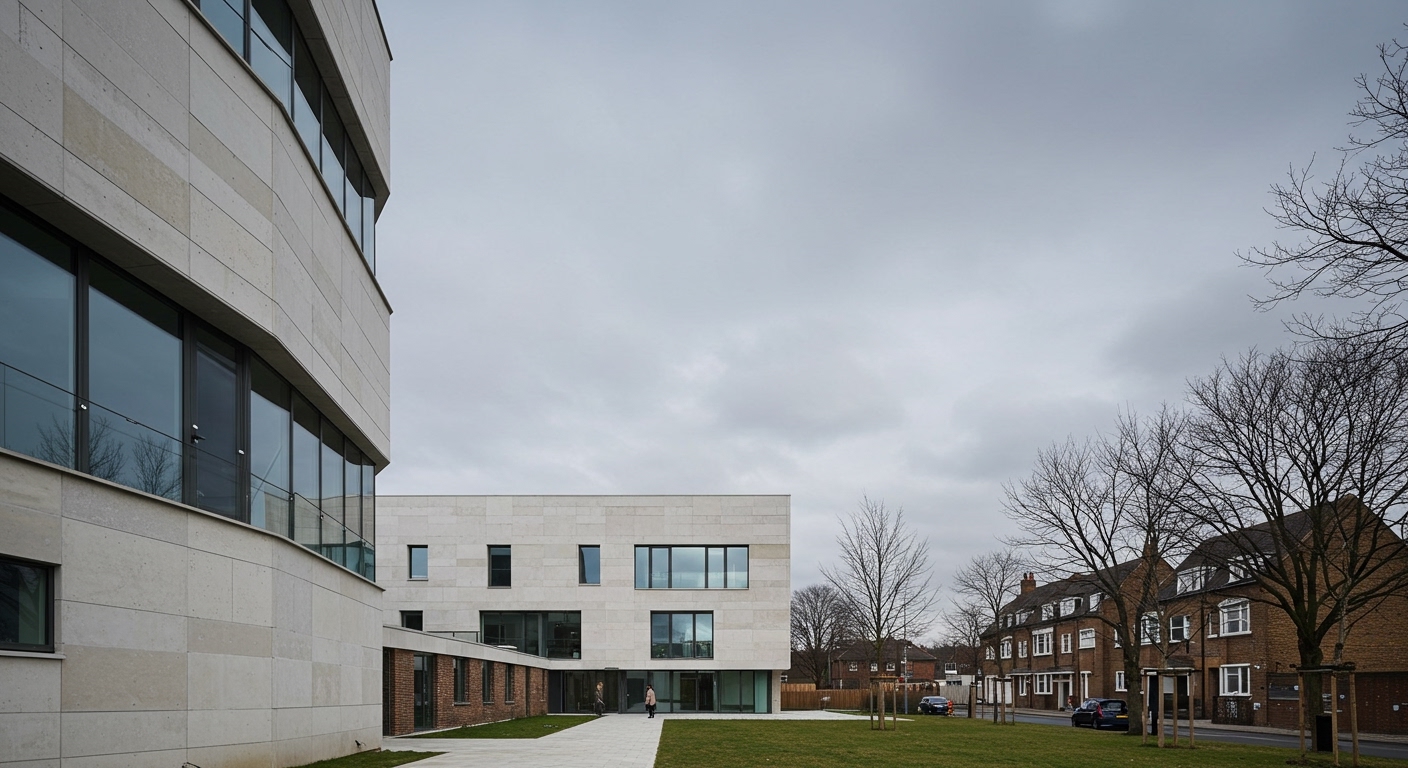
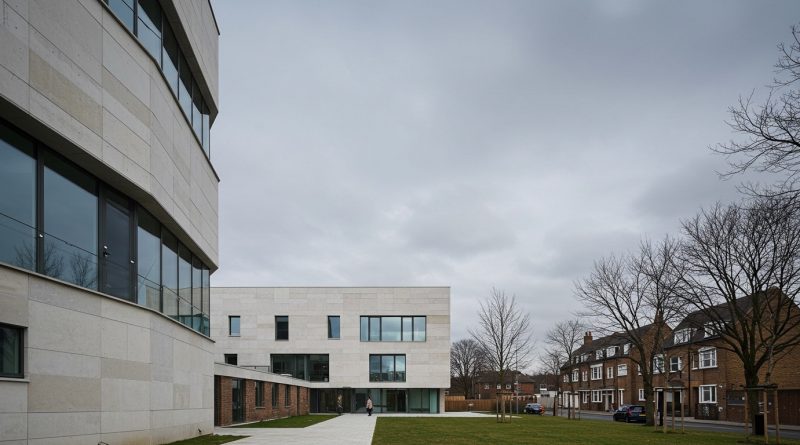
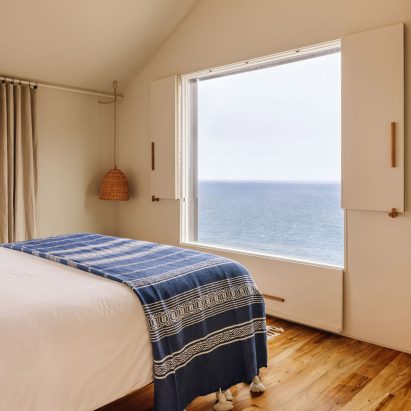
Wadhal’s Wade House occupies a brownfield site in Ruislip, West London, adhering to the London Plan’s minimum size for a two-bedroom dwelling. The project is an example of an architecture increasingly defined by its response to extreme constraints.
This thread connects projects like Wadhal’s compact dwelling, estudio Hass’s internal reorganization of a fragmented loft, and Bigert & Bergström’s public sauna on a remediated industrial site. The underlying pattern is a shift from architecture as an act of creation on a blank slate to architecture as a precise intervention within existing, often compromised, conditions. These projects prioritize intelligent densification, material resourcefulness, and ecological integration, demonstrating an architecture that must find coherence and value where conventional approaches might see only limitations.
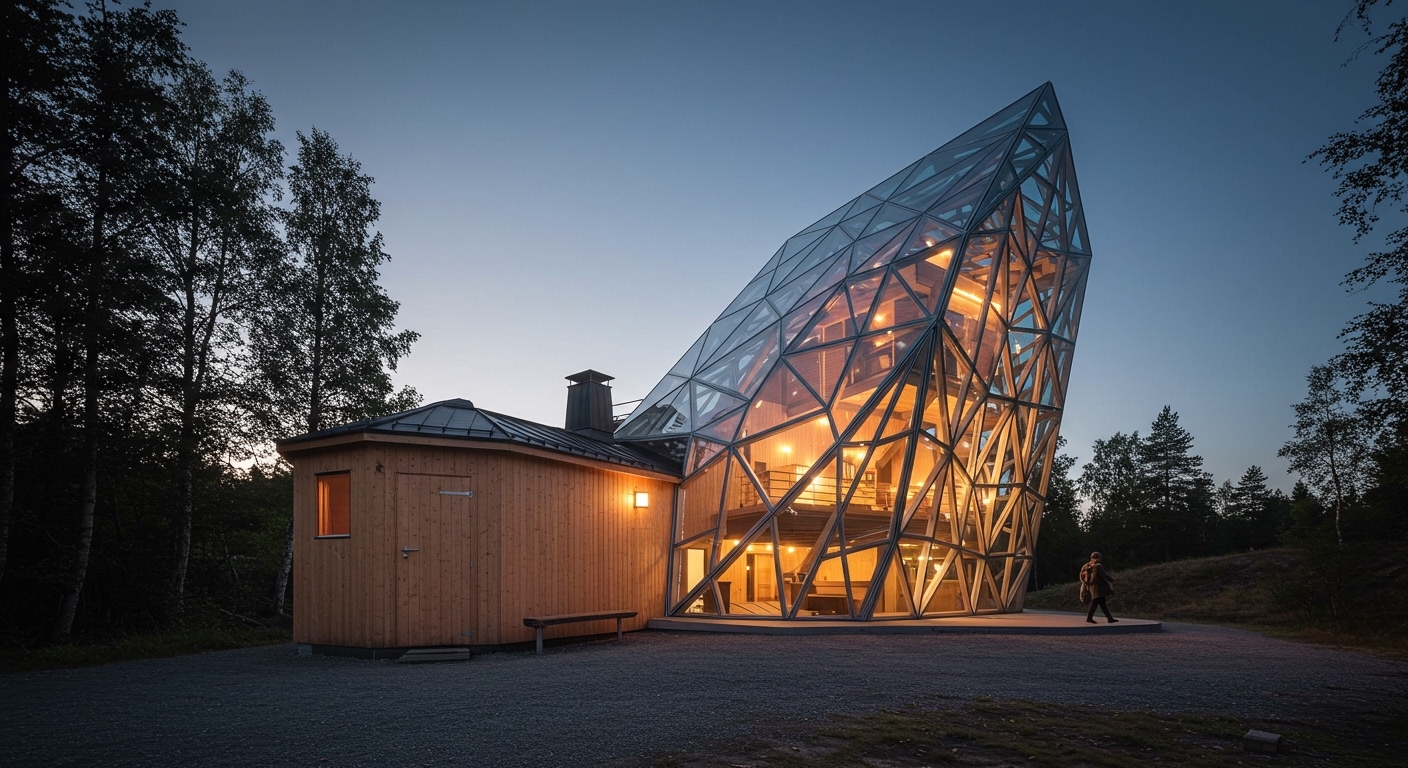
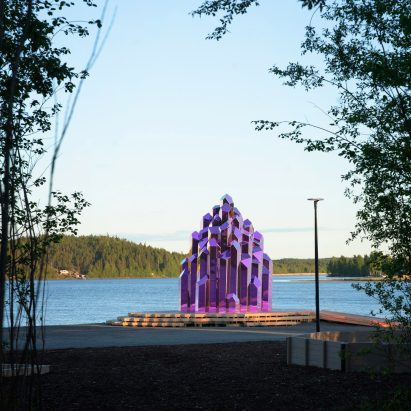
Mainstream architectural discourse often celebrates the spectacular and the expansive, seeking opportunities in untouched landscapes or vast urban redevelopment zones. This view overlooks the profound innovation emerging from tightly circumscribed environments. Beatriz Colomina and Mark Wigley, in “We the Bacteria: Notes Toward Biotic Architecture,” offer a necessary corrective by challenging the human-centric understanding of architecture. They argue that microorganisms have always been foundational to the built world, shaping materials and environments long before human intervention. This perspective fundamentally shifts the conversation around structural philosophy and material innovation, moving beyond a sole focus on engineered inertness. Instead, it prompts a consideration of how materials actively interact with their biological surroundings. For instance, designing for bioremediation, as potentially implied by a structure on a former industrial site like the Lithium Crystal Sauna, demands materials and structural approaches that either support or neutralize microbial activity rather than simply resisting it.
This contradicts the conventional industry focus on material sterility and hermetically sealed environments. The true challenge lies not in eliminating biological interaction but in intelligently designing with it, leveraging natural processes for structural integrity, environmental performance, and longevity. This approach extends material honesty to include its biological agency and interaction over time. Future architectural education and practice will need to embrace microbiology and biochemistry as core competencies. It is expected that by early 2028, leading material manufacturers will launch bio-integrated structural components, actively designed to either support specific beneficial microbial ecologies or degrade benignly within a controlled biological system.
The primary opposing force to this integrated, context-sensitive approach remains the entrenched economics of large-scale speculative development, which favors standardized, rapid-deployment models that are inherently disengaged from site-specific biological and historical particularities. This model prioritizes speed and replicability over deep ecological integration.
Architecture professionals should, this week, initiate a detailed micro-ecological survey of their current project sites, even for internal renovations, to identify and integrate existing biotic factors into material specifications and environmental control strategies, moving beyond a purely human-centric design brief.
TL;DR
Architecture needs to integrate biological intelligence and extreme site constraints into structural and material design.
Curated References
About this editorial — This piece was developed using AI-assisted research and curation across multiple industry sources. All analysis, opinions, and predictions represent the editorial perspective of JHDD. Sources are linked in the references section above.