
JHDD UI UX Report — 2026.08.09

Star Trek imagined machine intelligence that mostly worked, yet its vision of the communicator becoming the flip phone proved more accurate than its prediction about AI’s deep structure. This discrepancy highlights a pervasive challenge in product development today.
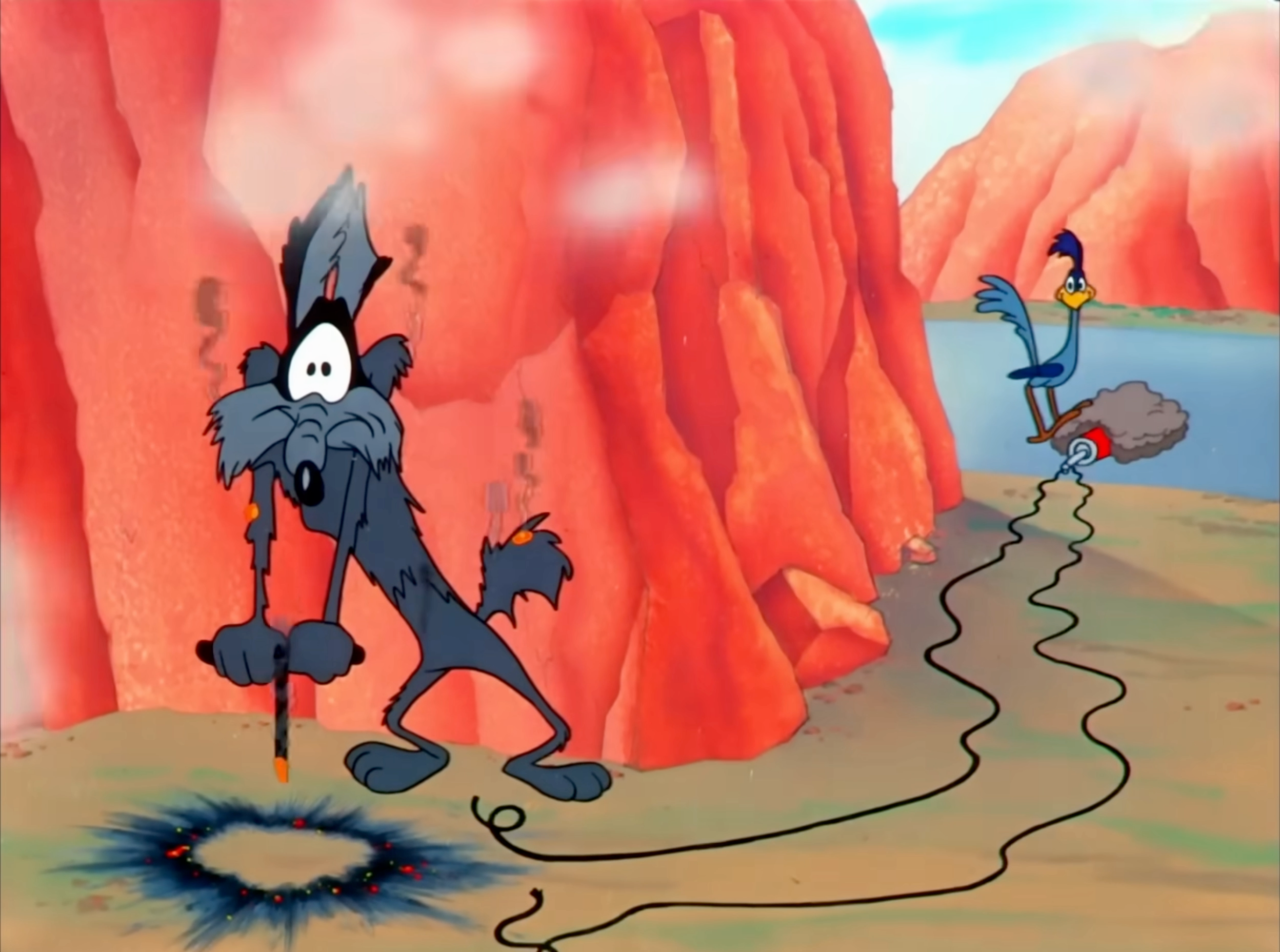
Across diverse technological concerns, from artificial intelligence integration to fundamental web performance, an uncritical acceptance of prevailing industry narratives or internal assumptions frequently bypasses rigorous user-centered validation and an understanding of underlying platform evolution. This pattern connects the limitations of internal dogfooding, the unexamined rush to adopt AI tools, the unnecessary complexity of some JavaScript dependencies, and even insights into design failures derived from ACME’s cartoon mishaps. Product teams often operate on inherited wisdom or internal perspectives that diverge significantly from actual user experience or core technical capabilities.

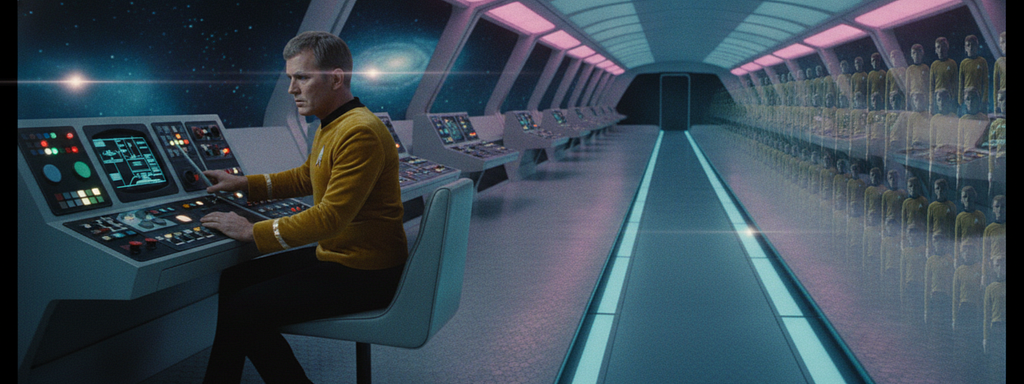
The science fiction genre often serves as a proxy for product foresight, but the article “What Star Trek got wrong about AI (so far)” illustrates a crucial miscalculation in interaction design. Star Trek depicted singular, highly capable, and largely reliable machine intelligences, often personified as ship minds or synthetic crew members. This established a cultural expectation of AI as a near-perfect, singular entity. In reality, modern product experiences are inundated with millions of smaller, often “confidently wrong” AI systems, requiring designers to confront pervasive fallibility rather than perfect functionality. Designing for a myriad of imperfect AIs, which often provide fluent but erroneous outputs, demands entirely different interaction patterns and mental models than those envisioned by six decades of science fiction.
The mainstream industry opinion often holds that embedding more AI into every feature inherently improves a product. This perspective overlooks the significant usability and accessibility degradation that occurs when AI introduces noise, uncertainty, or outright incorrect information without adequate compensatory design. The pressure to adopt AI, as noted in discussions around the PROVE framework, is not evidence of its utility. Rather, each AI-powered interaction adds a layer of probabilistic outcomes, which, if not carefully designed for, can increase cognitive load and undermine user trust. By late 2027, leading design systems will include explicit patterns and components for communicating AI uncertainty or confidence scores directly within user interfaces, moving beyond simple error states to nuanced representations of probabilistic outcomes.
The primary opposition to this disciplined approach comes from market pressure for rapid AI integration and internal product team incentives often misaligned with genuine user benefit. Vendor marketing for new AI tools frequently overstates their plug-and-play efficacy, while organizational drives for “innovation” metrics can overshadow the arduous process of validating real user value and addressing the complexities AI introduces. This can lead to the proliferation of features that seem cutting-edge internally but fail to solve genuine user problems reliably.
A working UI/UX professional should conduct an immediate audit of any existing or proposed AI-powered features in their product. For each feature, quantify how the AI-driven interaction specifically enhances task completion, reduces cognitive load for the user, or improves accessibility, rather than merely adding new functionality or complexity. This process should explicitly identify where AI fallibility might emerge and document proposed interaction patterns for communicating that uncertainty to the user.
TL;DR
Focus product development on objective user validation and core platform understanding, not unexamined industry trends or internal biases.
Curated References
About this editorial — This piece was developed using AI-assisted research and curation across multiple industry sources. All analysis, opinions, and predictions represent the editorial perspective of JHDD. Sources are linked in the references section above.