JHDD Packaging Report — 2026.08.08
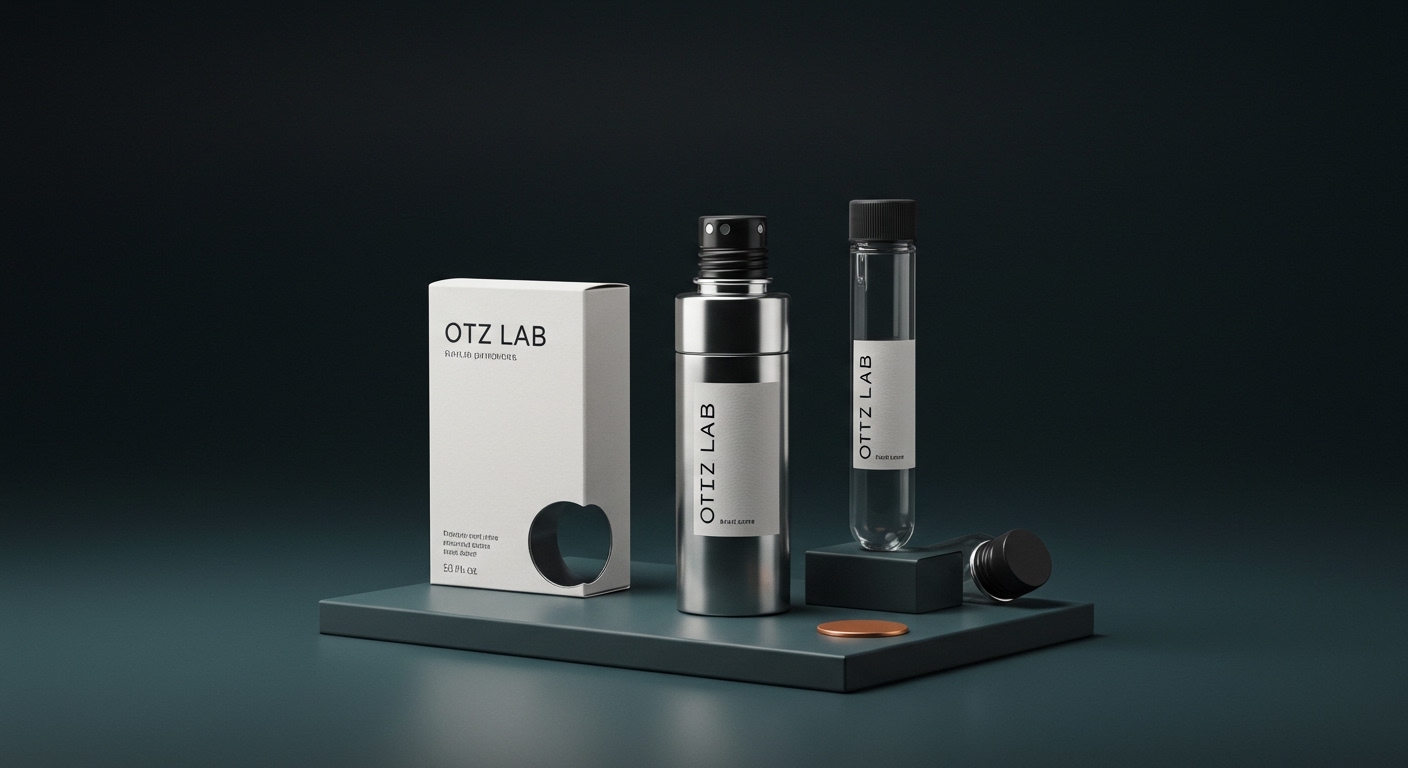
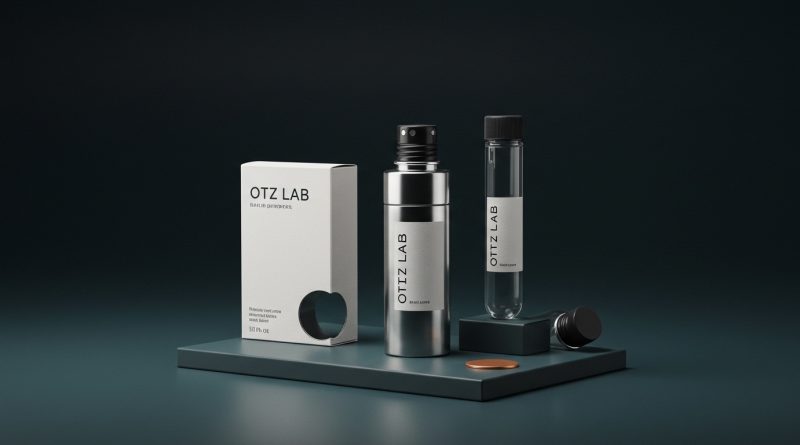
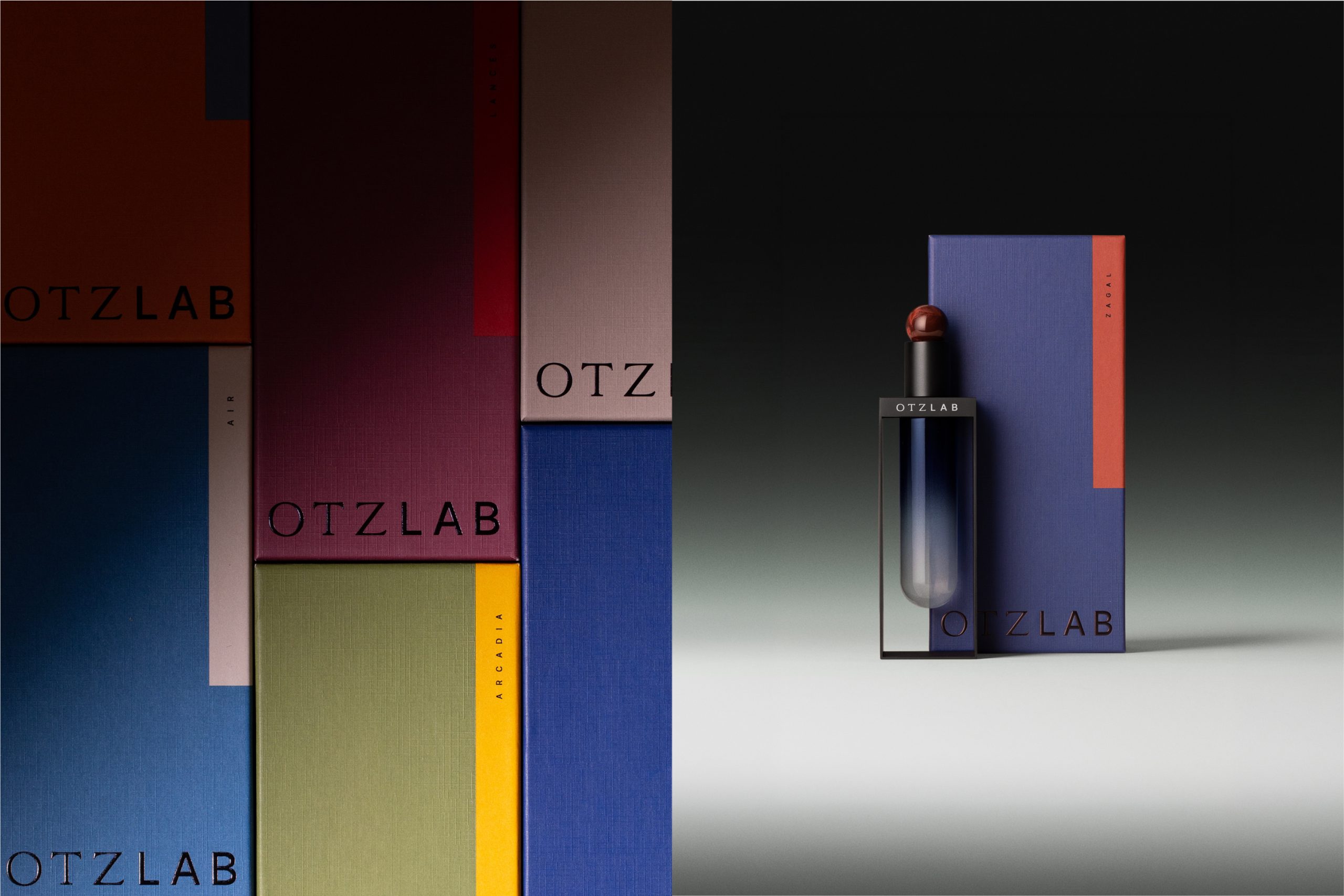
OTZ LAB’s fragrance packaging eschews traditional luxury signifiers, choosing test tubes and matte steel instead of velvet and gold foil.
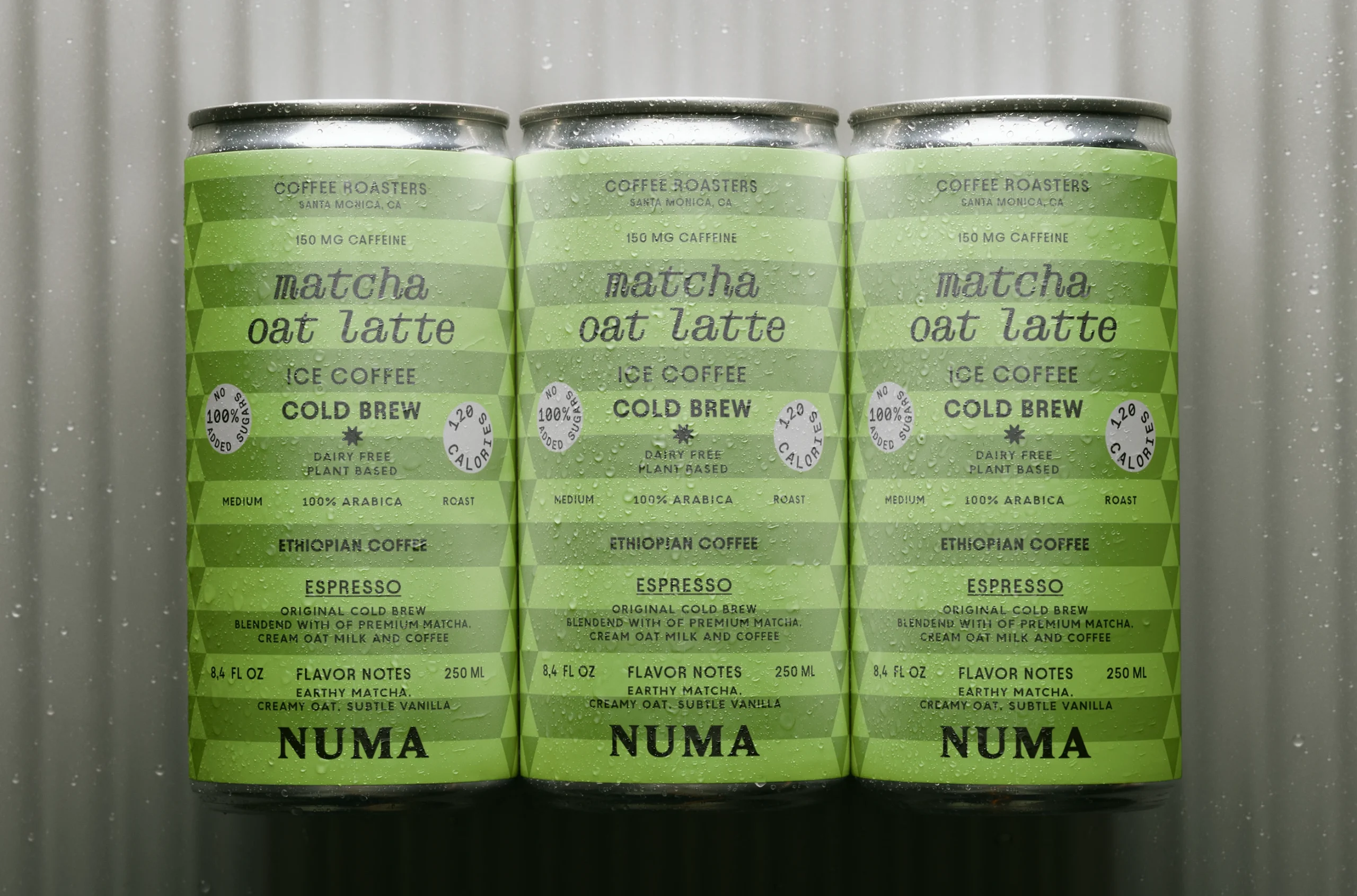
This shift, alongside YOKO’s disruptive matcha tins with their vintage sticker sheet energy and Numa’s cold brew defined purely by color bands, reveals a growing impatience with established category aesthetics. Designers are actively dismantling visual clichés, opting for material honesty, unexpected color palettes, and distinct physical interactions that challenge conventional brand signifiers and generic minimalist trends.
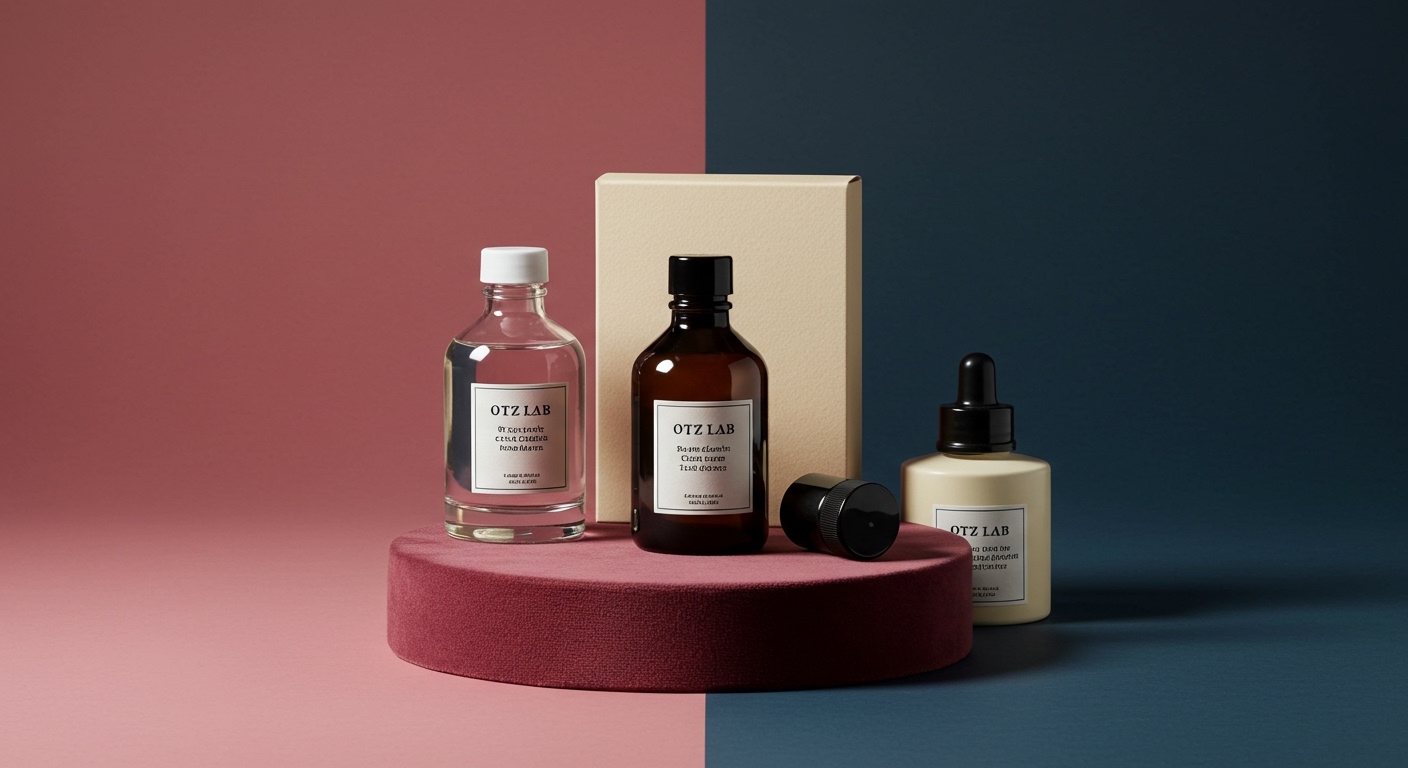
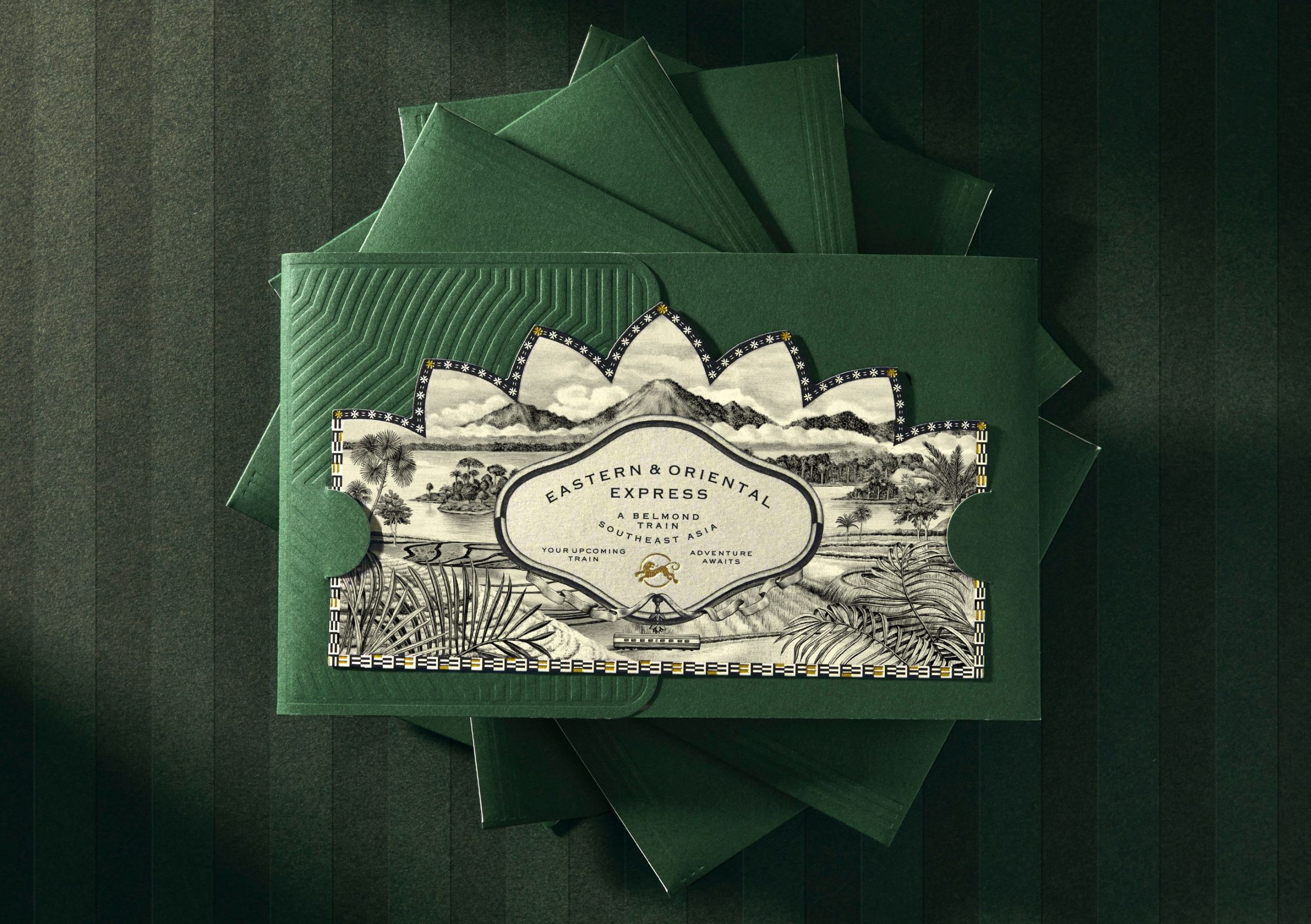
Violaine et Jérémy exemplify a critical re-evaluation of packaging’s enduring role. Their studio’s work, characterized by hyper-detailed illustration and an emphasis on artisanal materiality, actively pushes back against the screen-first mindset prevalent in modern design. The conventional industry wisdom often assumes digital channels are the primary battleground for brand engagement, driving demand for packaging that merely functions as a canvas for a QR code or an Instagrammable moment. This overlooks the packaging itself as a primary, tangible touchpoint capable of delivering immediate, profound brand connection.
Packaging’s most sustainable role is not solely defined by its end-of-life disposal, but by its ability to create such a compelling and memorable unboxing experience that it elevates the product’s perceived value and reduces the impulse for quick disposability. A truly engaging package, like those with the custom typography and handcrafted feel Violaine et Jérémy produce, becomes part of the product’s story, encouraging retention and appreciation far beyond a single use. By late 2027, this emphasis on haptic storytelling will see a measurable resurgence, with brands investing significantly in bespoke textures and material combinations that prioritize the physical over the purely visual.
This movement towards sensory richness and anti-digital design faces resistance from the prevailing logic of supply chain optimization. Large-scale manufacturers and brands often prioritize cost-efficiency, speed-to-market, and standardized materials, which inherently deprioritizes bespoke finishes and complex tactile elements. The demand for immediate, global scalability often clashes directly with the artisanal precision championed by studios like Violaine et Jérémy, favoring instead generic, easily reproducible solutions that lack distinct physical character.
A working packaging professional should this week initiate a comprehensive audit of their product’s unboxing sequence, specifically mapping every sensory interaction a consumer has from picking up the package to its full opening. Identify points where tactile engagement can be heightened through material choice, structural design, or surface finish, moving beyond visual appeal alone to craft a truly memorable physical experience.
TL;DR
Packaging differentiation increasingly relies on tangible sensory experiences and a rejection of visual clichés.
Curated References

About this editorial — This piece was developed using AI-assisted research and curation across multiple industry sources. All analysis, opinions, and predictions represent the editorial perspective of JHDD. Sources are linked in the references section above.