
JHDD UI UX Report — 2026.08.06

The forthcoming UX Conference October, slated for late October 2026, promises training focused on long-lasting skills for UX professionals. This emphasis on enduring competencies highlights a critical, often unarticulated, pattern across recent industry discussions: the increasing importance of designing for input and context as much as for output. Whether curating generative AI prompts or optimizing self-ordering kiosk flows in Asia, the designer’s role is shifting towards meticulously orchestrating the explicit and implicit signals that shape both system behavior and user experience. The era where designers primarily polished final outputs is being supplemented by a demanding need to define the underlying conditions and information architecture that drive those outputs.
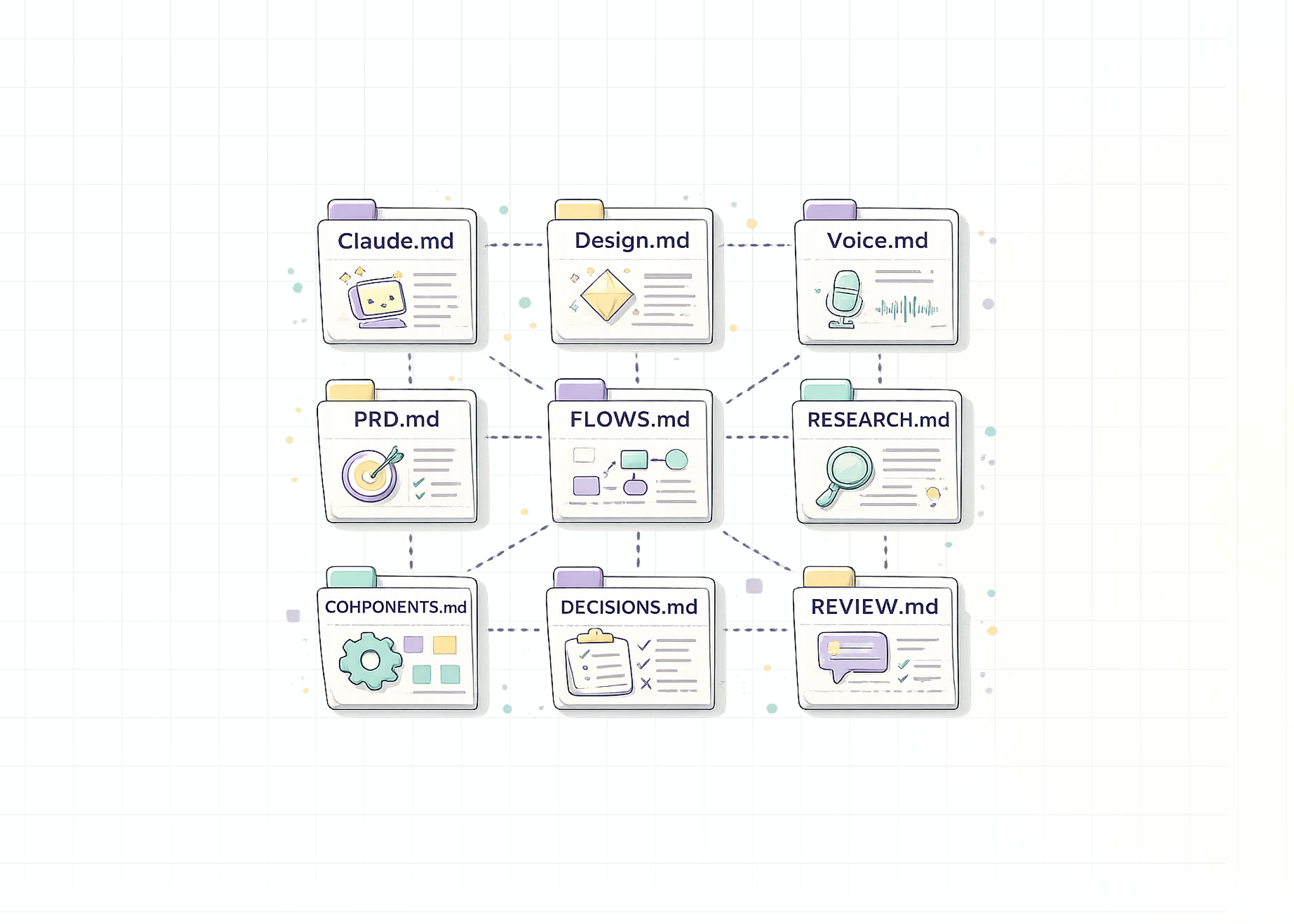
Gene Roddenberry’s vision in Star Trek, which accurately predicted the voice-first computer and plain-language querying interface, offers a powerful lens through which to view current industry priorities. While much contemporary discourse fixates on the raw “intelligence” and generative capabilities of AI, Roddenberry’s foresight underscores that the true challenge, and enduring value, for UX lies in the interface — the human-centered interaction patterns. Mainstream industry opinion often champions the raw power of large language models, suggesting a future where AI handles much of the design process. This perspective misses a fundamental point: the more sophisticated the AI becomes, the more crucial it is for human designers to craft precise, usable interaction models that articulate user intent and manage system responses. The “What your AI co-designer can’t infer from your hex values” article powerfully illustrates this, demonstrating the necessity of explicit context files for quality AI output. The designer’s skill in defining these parameters, rather than simply accepting AI’s default generations, becomes paramount. By mid-2028, design systems will universally integrate robust guidelines and components for conversational and adaptive interfaces, explicitly addressing context definition and feedback loops, moving beyond static visual elements to dynamic interaction protocols.
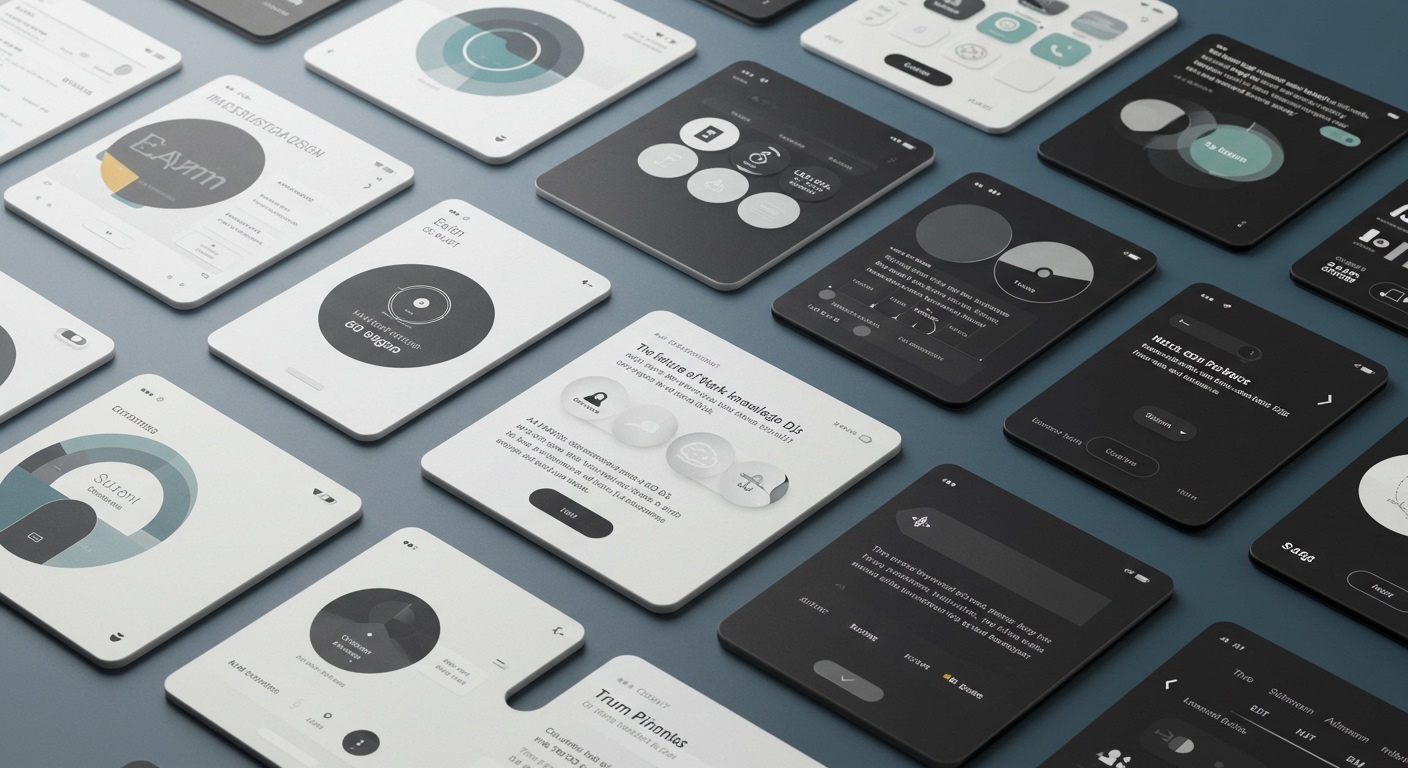
The concept of the “knowledge DJ” aligns precisely with this evolving demand for explicit context and curated interaction. Just as a DJ selects and sequences tracks to manage a crowd’s energy, the UI/UX professional must learn to select, sequence, and adjust the informational inputs and interaction points that shape user outcomes and AI performance. This involves a shift from simply designing aesthetically pleasing screens to architecting the underlying conversational models, data inputs, and feedback mechanisms that govern complex systems. The “UX masterclass” observed in self-ordering kiosks in Korea and Japan exemplifies this; their success is not merely about an attractive display, but about the deeply considered, culturally nuanced interaction patterns that guide users through a transactional flow with minimal friction. This mastery of flow and context, rather than reliance on a black-box “intelligence,” defines usability.
This pivot towards explicit context and interaction design faces significant resistance from product development cycles driven by a “first-to-market” mentality for novel AI features. The rapid iteration pace of generative AI often prioritizes deploying new capabilities over the meticulous, research-intensive work required to establish clear interaction patterns and define comprehensive context models. Product teams, under pressure to showcase AI’s raw output potential, frequently neglect the foundational usability and accessibility principles that ensure these powerful tools are genuinely useful and understandable for diverse user populations. The prevailing focus on what AI can generate often overshadows the critical question of how users will interact with it effectively and reliably.
A UI UX professional should, this week, select one current project and document every implicit assumption about user context or system state that guides a key interaction, then formalize these into explicit variables or conditions. This exercise, akin to creating “context files” for an AI like Claude, refines the critical skill of defining parameters before designing output, whether for human or AI consumption.
TL;DR
The future of UI/UX demands explicit context definition and a focus on interaction patterns, not just AI intelligence.
Curated References



About this editorial — This piece was developed using AI-assisted research and curation across multiple industry sources. All analysis, opinions, and predictions represent the editorial perspective of JHDD. Sources are linked in the references section above.