JHDD Architecture Report — 2026.08.03
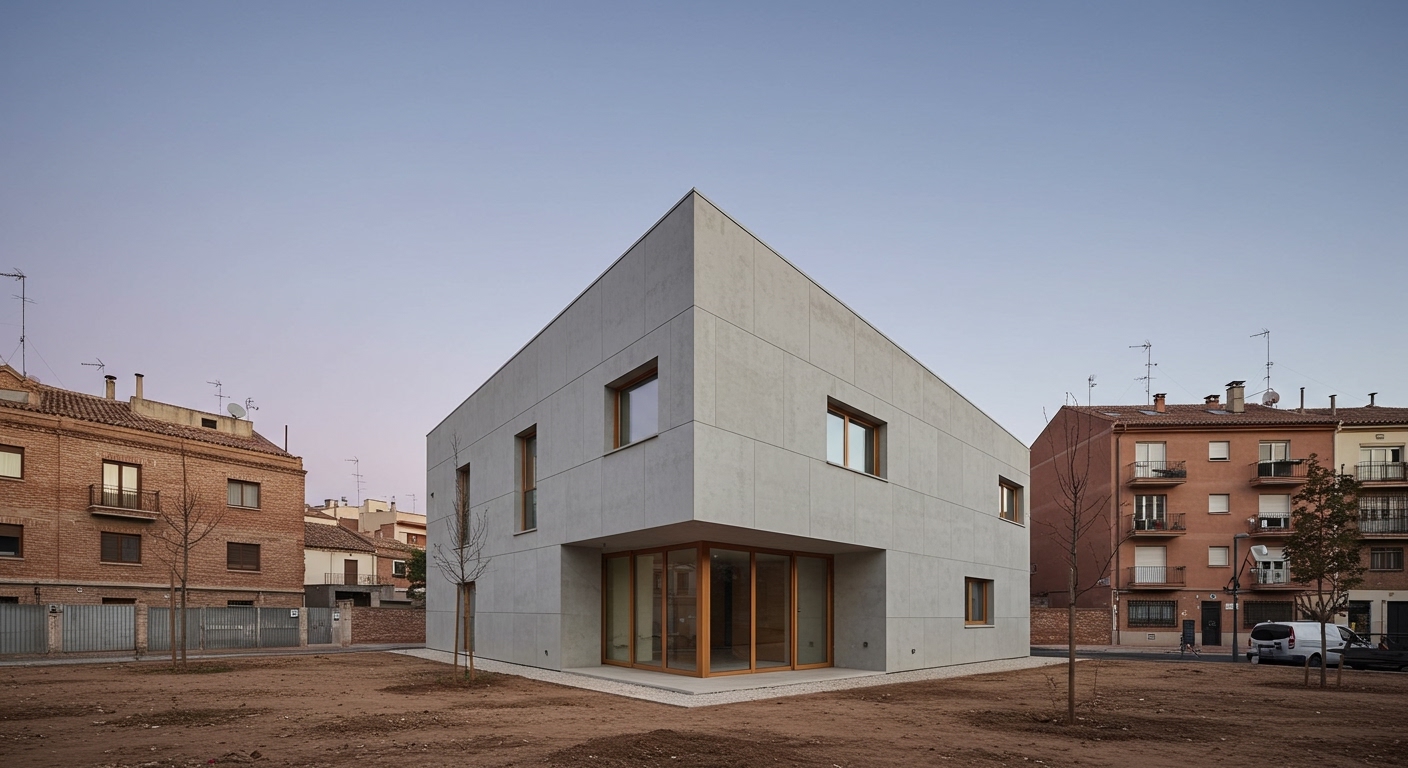
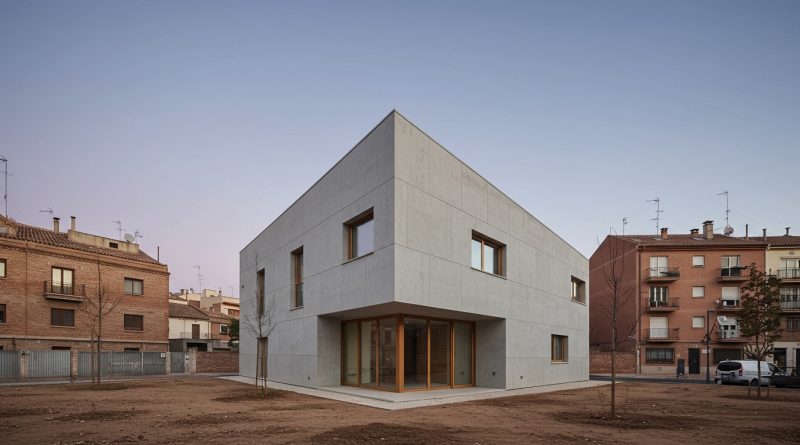
Casa Nido by Iterare arquitectos occupies a corner plot in Valencia’s Torrefiel district, deliberately protecting built heritage.
This project, alongside others such as the concrete bench made of clam shells featured in Dezeen’s July roundup, reveals a converging architectural intelligence. Across different scales and programs, a pattern emerges where design prioritizes deep material specificity and inherent performance over superficial aesthetics, all within complex existing urban or natural environments. From preserving a humble facade in a peripheral district to assembling a flat-pack wardrobe with a single Allen key, the emphasis is on integration, efficiency, and resourcefulness.
PCA-Stream’s La Source Vive concert hall in Évian exemplifies a sophisticated structural and material philosophy. The domed, copper-clad structure is conceived as a musical instrument, where the very shell and its material properties are fundamental to its acoustic function. This approach stands in direct opposition to a prevailing industry tendency that often treats architectural form as an abstract, sculptural entity, frequently disconnected from its intrinsic performance or material truth. La Source Vive demonstrates that genuine innovation lies in a profound material-functional integration, rather than in formal novelty for its own sake. The building’s identity is derived from its capacity to perform its primary purpose through honest material expression. This deeper commitment to intrinsic performance will fundamentally reshape client expectations. By mid-2027, public and private commissioning bodies will increasingly demand explicit structural philosophies that demonstrate how material choices and construction methods directly enhance building performance and urban integration, moving beyond mere aesthetic or conceptual gestures.
The primary resistance to this integrated approach comes from developers and clients who prioritize rapid construction and standardized solutions driven by short-term cost efficiencies. This market pressure often favors generic material palettes and construction methods that externalize long-term environmental and social costs, thereby stifling the research and development required for truly context-responsive and materially innovative solutions. It limits the opportunity for a building to evolve from a mere structure into an active participant in its environment and function.
A working architecture professional should, within the next design cycle, conduct a comprehensive material audit of the immediate project site and its surrounding urban or natural context. This involves not only analyzing soil conditions or sun paths but actively identifying local material resources, including existing structures suitable for reuse, available industrial by-products, or the specific capabilities of local artisans. This initial material intelligence should directly inform conceptual development, shifting the design process from an abstract void to a tangible conversation with available resources.
TL;DR
Architecture is moving towards intrinsic material and structural performance within existing contexts.
Curated References


About this editorial — This piece was developed using AI-assisted research and curation across multiple industry sources. All analysis, opinions, and predictions represent the editorial perspective of JHDD. Sources are linked in the references section above.