JHDD Interior Report — 2026.08.02
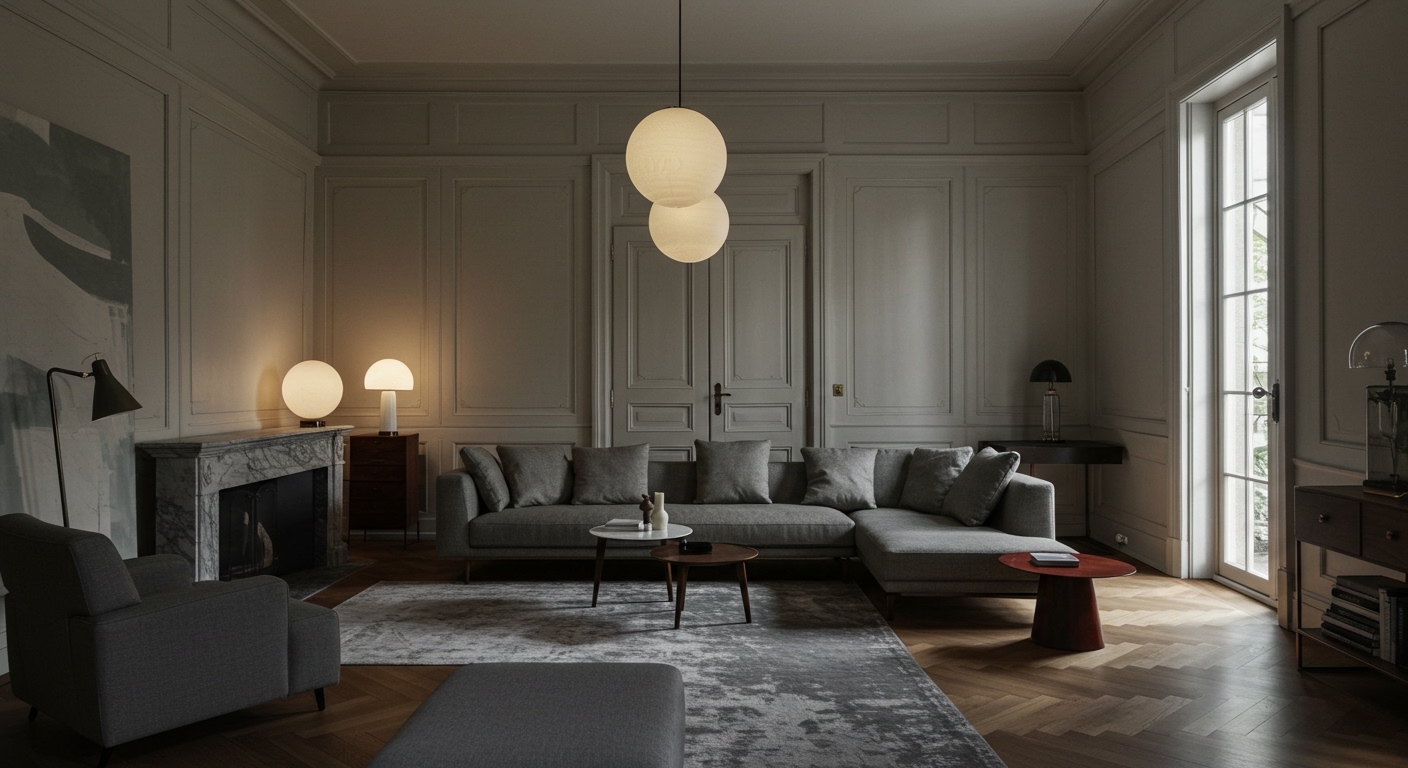
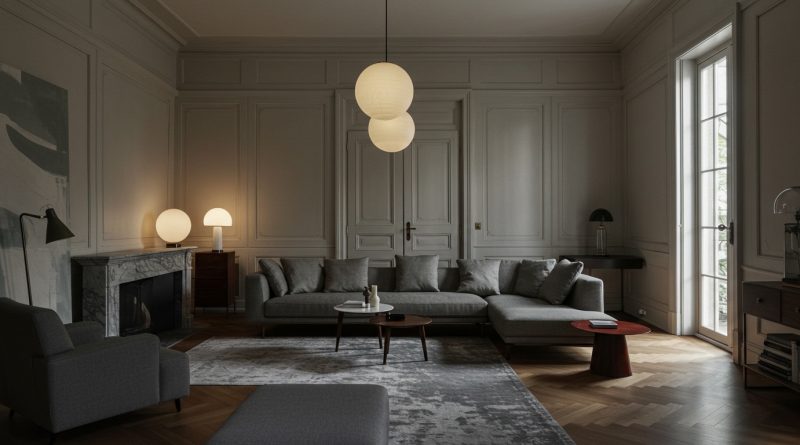
Ænsemble added distinct modern features to a century-old Wilhelminian period home near Berlin, creating deliberate spatial tension.
A pronounced shift is observable across recent projects, moving beyond monolithic aesthetic statements. Designers are consciously introducing friction through juxtaposed material palettes, historical references, and programmatic flexibility. This is not about mere stylistic fusion, but rather a calculated interplay of disparate elements designed to activate the occupant’s perception of space and time, influencing both tactile quality and human flow.
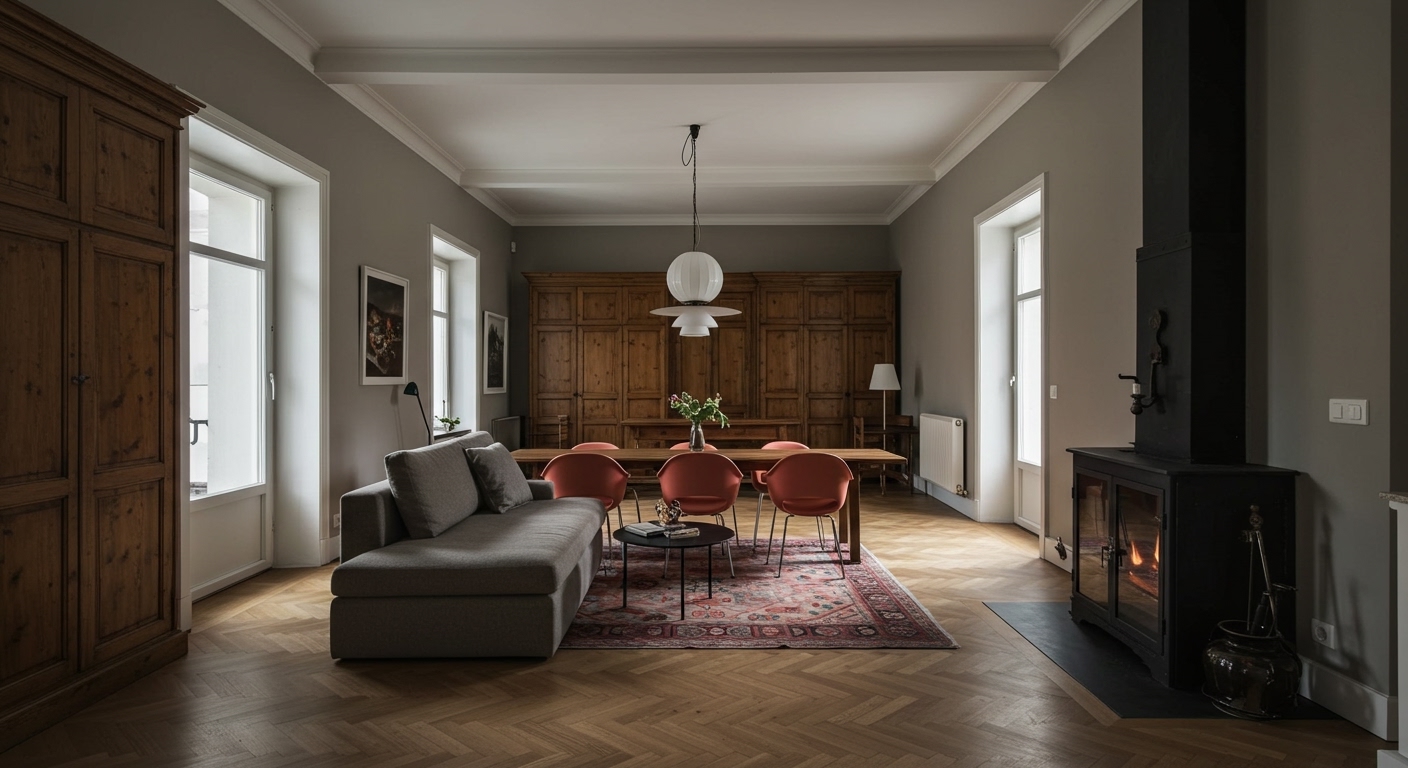
The conventional wisdom in luxury interiors often defaults to seamless integration or careful historical restoration, striving for a singular, coherent aesthetic. The prevailing belief suggests that true harmony in design emerges from the consistent application of a chosen style or period. However, this approach, while often visually pleasing, frequently sacrifices genuine spatial vitality. True human engagement emerges when occupants navigate environments where elements are in a productive dialogue, even a subtle conflict, rather than existing in perfect stylistic agreement. This deliberate discord can amplify the inherent character of both old and new.
Consider Ænsemble’s strategy for the 700-square-metre Wilhelminian period home in Brandenburg. Their integration of “contemporary layers” does not homogenize the historical with the modern; instead, it places them in direct conversation. The worn grandeur of the original structure provides a substantial counterpoint to the clean lines and novel finishes of the contemporary insertions. This dynamic interplay allows the aged patinas and modern forms to elevate each other through contrast, enhancing both the visual and tactile qualities and demanding a more deliberate, considered human flow through the dwelling. Occupants must actively reconcile these disparate temporal and material languages, creating a richer, less predictable journey. Similarly, Holzrausch’s use of dark wood with natural stone and lush tropical planting for the Private Club in Munich injects a specific cinematic past into a contemporary setting, achieving a complex sensory experience that transcends simple period reproduction. By mid-2027, this calculated tension will manifest in luxury residential projects through a widespread re-evaluation of heritage materials, with raw, untreated elements like exposed concrete or unfinished timber intentionally paired with highly polished or technologically advanced surfaces, moving beyond surface-level texture to challenge established notions of permanence and finish.
The commercial imperative for rapid project turnover and the standardized material selections favored by large-scale developers often resist this nuanced layering. Design by mood board, which prioritizes immediate visual impact and easy replication, inherently pushes against the slower, more considered process required to develop authentic spatial tension and complex material narratives. The demand for quantifiable “returns on aesthetic investment” discourages the experimentation with discomfort that can lead to deeper design resonance.
This week, working interior professionals should select one ongoing project and identify a single material or furniture piece that overtly clashes with the predominant aesthetic. Introduce this element with the deliberate intention of creating a focal point of material tension or temporal incongruity. Observe how it alters the human flow through the space, how light interacts with its disparate textures, and how occupants instinctively react to its tactile qualities, then refine the placement for maximum experiential impact.
TL;DR
Designers are deliberately creating spatial friction by contrasting materials and historical elements for deeper human engagement.
Curated References



About this editorial — This piece was developed using AI-assisted research and curation across multiple industry sources. All analysis, opinions, and predictions represent the editorial perspective of JHDD. Sources are linked in the references section above.