JHDD Branding Report — 2026.08.02
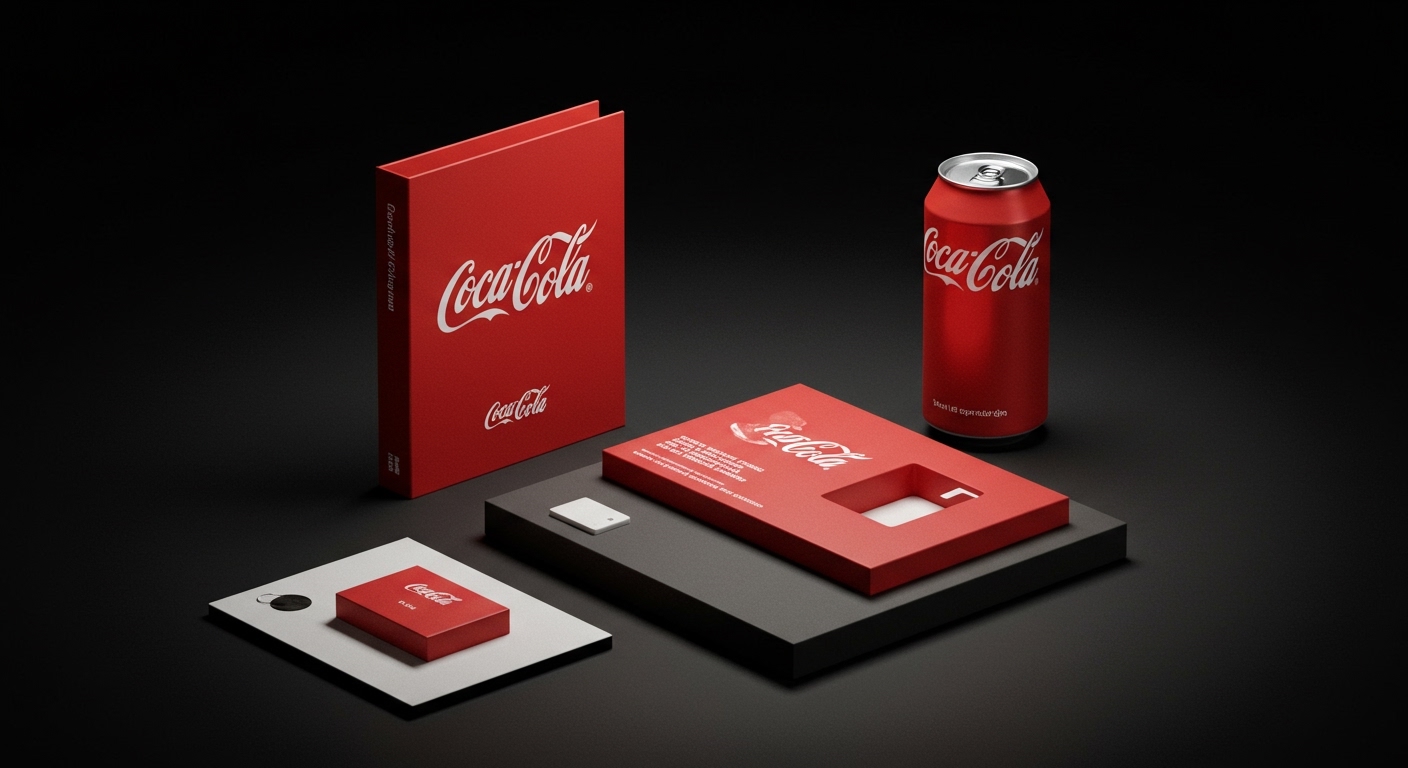
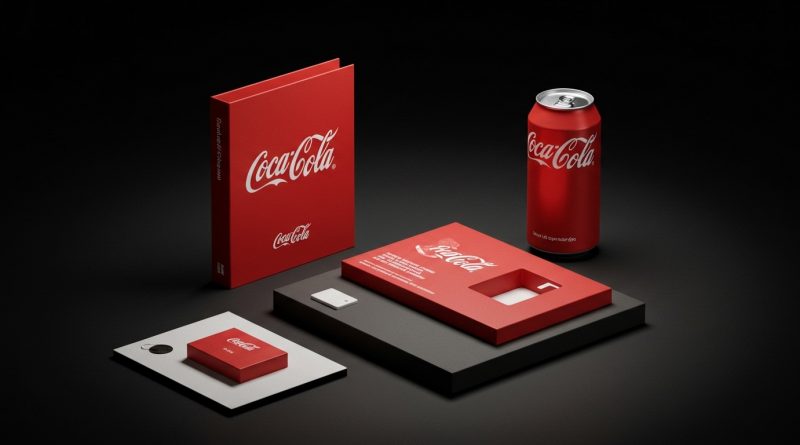
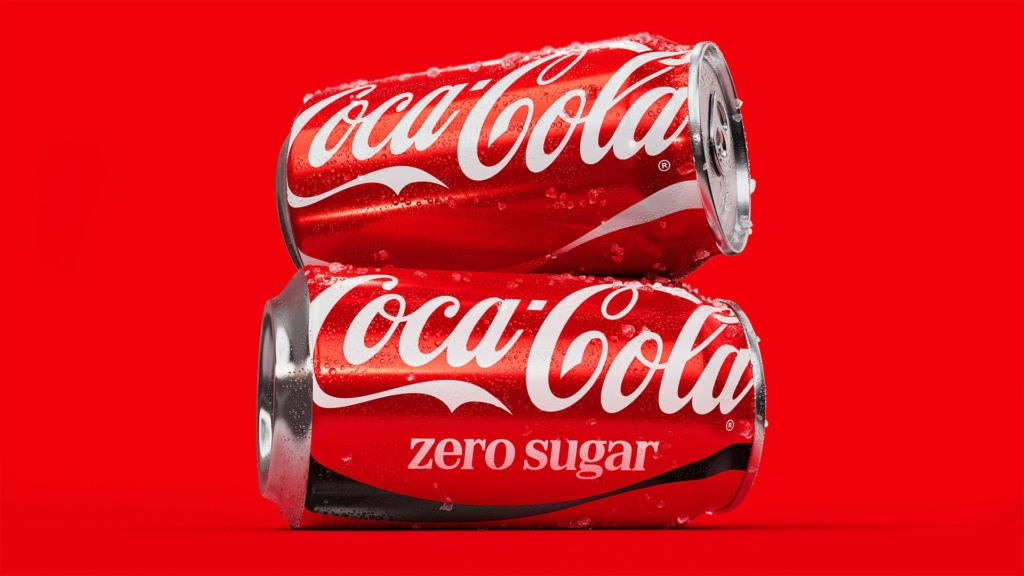
JKR’s new identity for Coca-Cola demonstrates that maintaining a distinctive visual presence can involve minimal perceptible change.
Across recent projects, from the subtle refinements of an iconic global brand to the deliberate positioning of emerging platforms, a pattern emerges: successful identity work now prioritizes the articulation of unique cultural or relational value over radical aesthetic shifts. Brands are navigating complex environments by strategically reinforcing what they are, who they serve, or the specific human interaction they enable, often using visual cues to signal depth rather than just novelty. This isn’t about mere visual updates; it is about precise cultural alignment and positioning.
Consider Koto’s work for Stack Overflow, a programmer forum grappling with relevance in the age of AI. While conventional wisdom frequently suggests embracing AI integration as a primary brand strategy for tech platforms, Koto took an opposing view. Their approach for Stack Overflow directly reinforces the platform’s core value: human-to-human interaction and verified peer expertise. This contradicts the mainstream industry’s prevailing belief that technology platforms must perpetually chase the cutting edge of AI features. Instead, Stack Overflow’s repositioning grounds its equity in the irreplaceable value of human knowledge exchange, a distinct cultural signal that AI tools cannot fully replicate.
The strategic clarity in identifying and amplifying this human connection is crucial for platforms like Stack Overflow. It carves out a unique market position by explicitly valuing human-generated content over machine-generated alternatives. This focus on authentic interaction builds a different kind of brand equity. Within two years, more specialized B2B and professional community platforms will adopt this counter-positioning. They will deliberately foreground human-to-human connection and verified expertise within their visual identity systems and core messaging, directly contrasting their value proposition against the proliferation of generic AI tools.
The primary opposing force to this trend is the prevailing industry obsession with efficiency and automation. Many corporate strategists and technology providers continue to push for universal AI integration, often overlooking the specific contexts where human interaction, unique craftsmanship, or nuanced cultural signaling are the actual drivers of long-term brand equity and customer loyalty. This broad-stroke application of AI without thoughtful brand differentiation actively resists the specific value articulation seen in these identity projects.
Branding professionals should pivot from solely benchmarking visual trends or technological capabilities to conducting deeper ethnographic research into their clients’ brand and their target audiences. Instead of asking “What are competitors doing?” or “What is the latest design trend?”, they should ask: “What specific, often unarticulated, emotional or functional value does this brand uniquely provide to its core users, and how can its identity system amplify that truth?” This requires auditing the existing cultural signals a brand sends and those it could credibly own, rather than chasing generic ‘modernity’.
TL;DR
Effective brand identity work now focuses on amplifying specific cultural or human value, often through strategic restraint, rather than radical reinvention or blind technological adoption.
Curated References



About this editorial — This piece was developed using AI-assisted research and curation across multiple industry sources. All analysis, opinions, and predictions represent the editorial perspective of JHDD. Sources are linked in the references section above.