JHDD Packaging Report — 2026.07.31
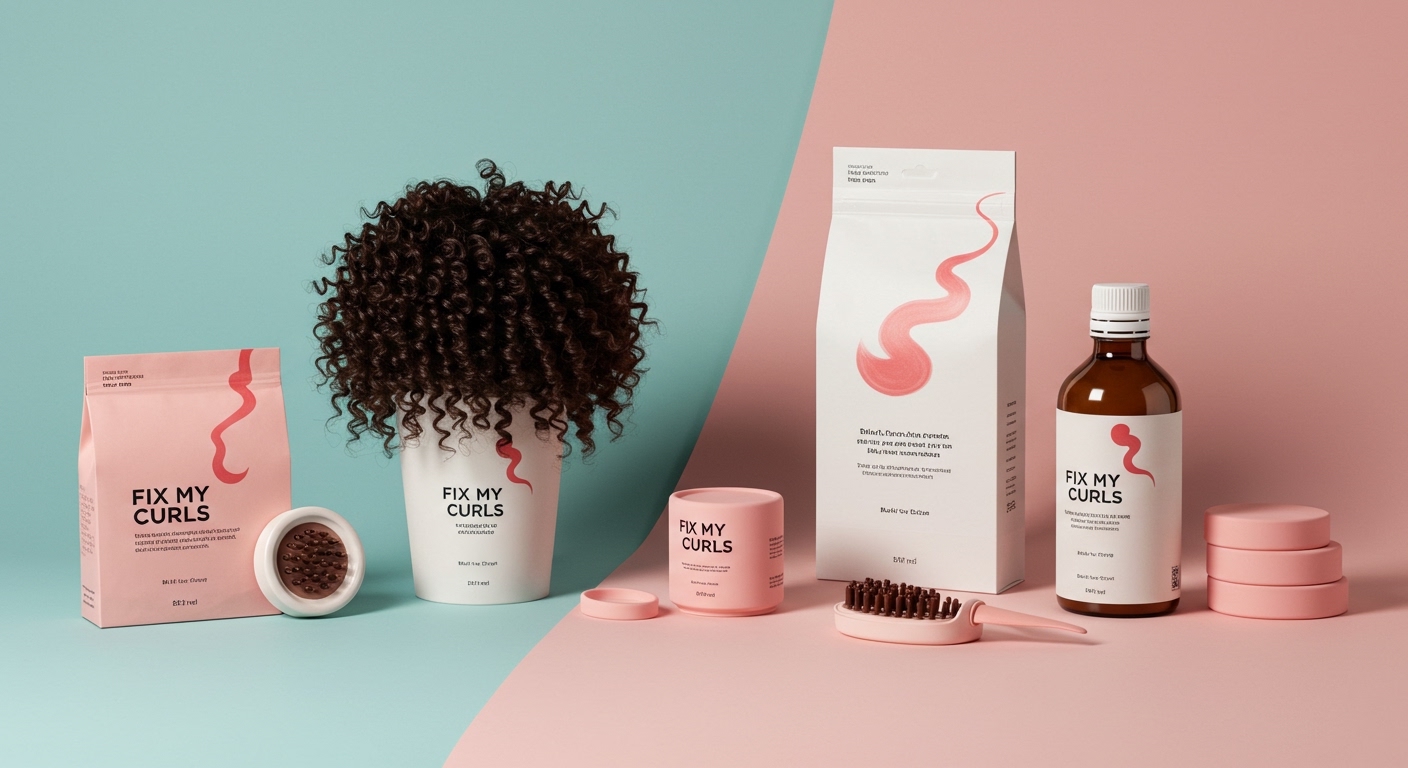
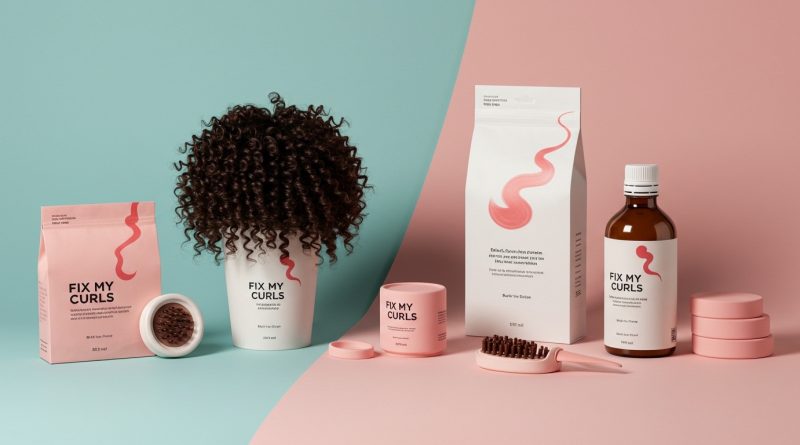
Fix My Curls built an entire brand identity around a single curl shape, rejecting the quiet minimalism prevalent on haircare shelves.
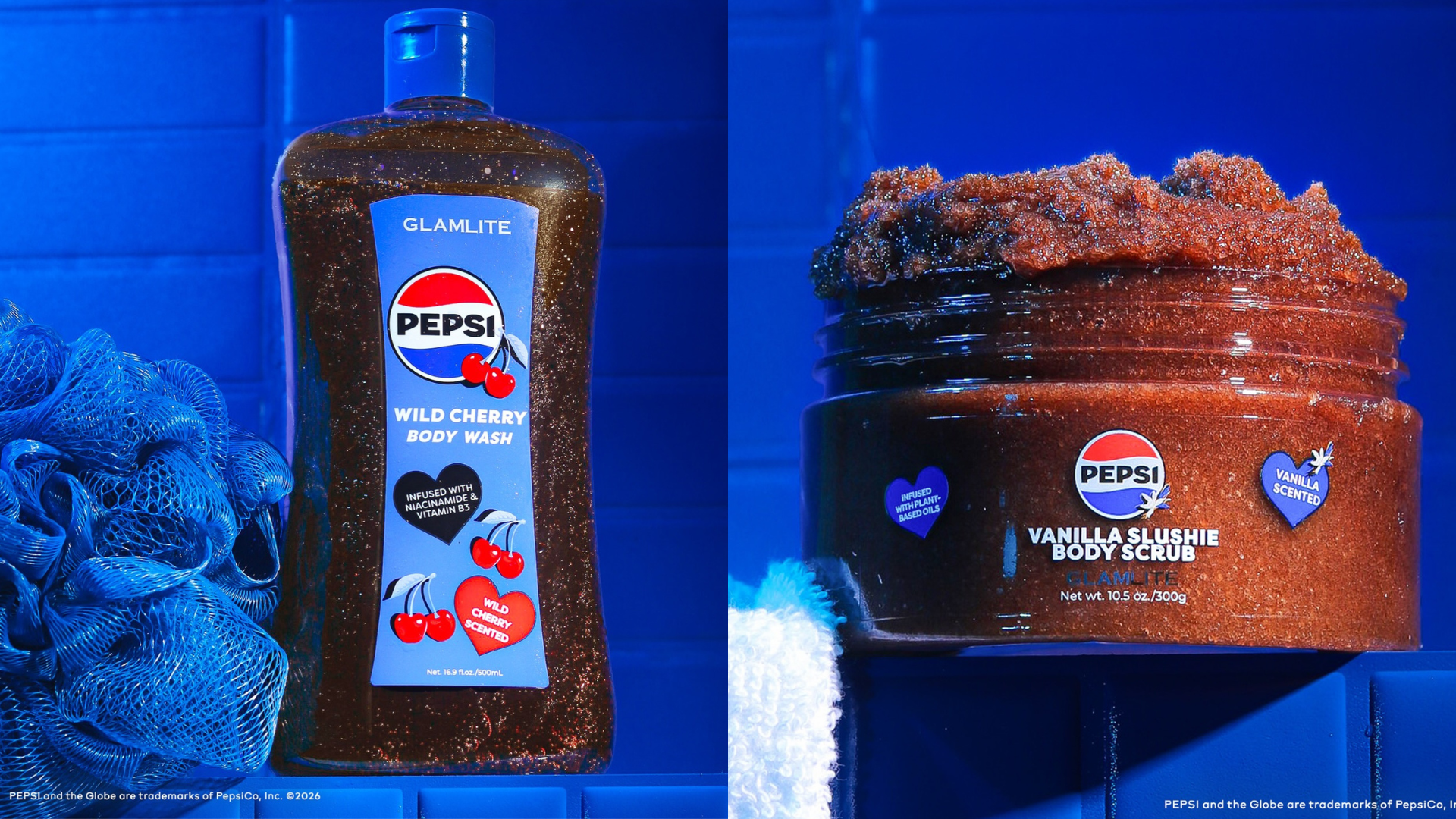
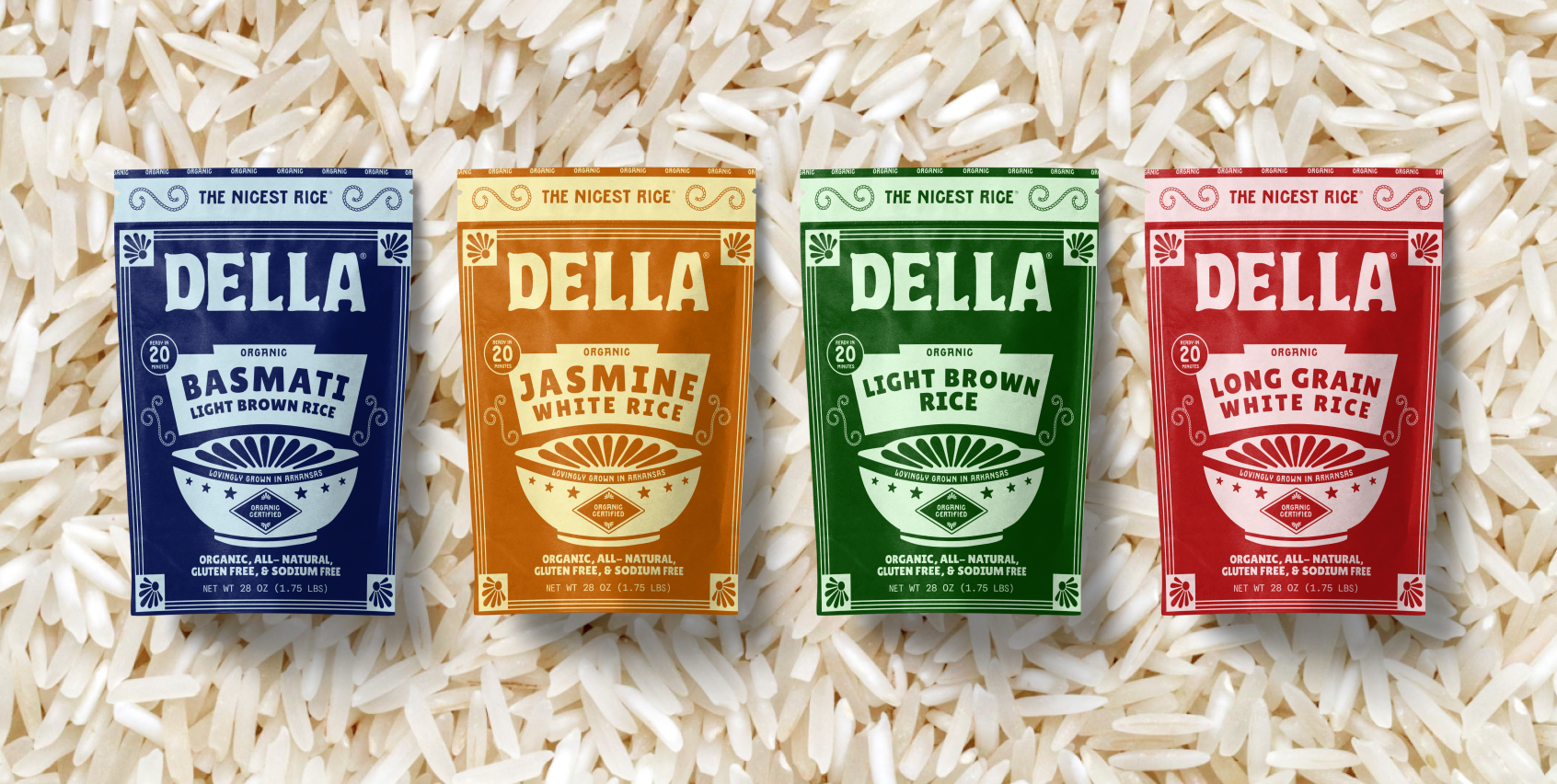
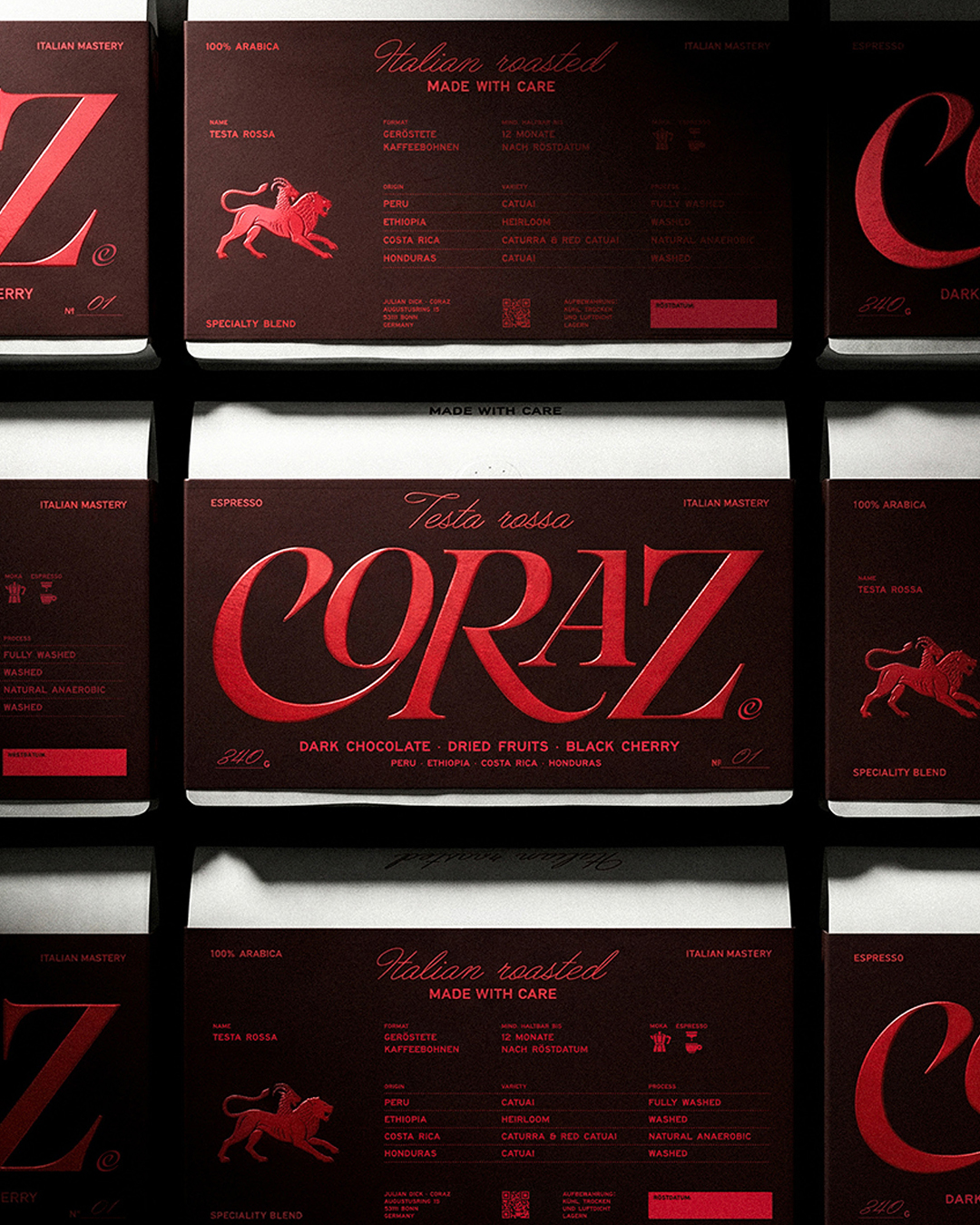
This approach is not isolated. Recent market entries show a calculated defiance of subdued aesthetic trends, moving towards a bolder, more character-driven presence. From Della’s soulful, folksy refresh courtesy of The Lads, honoring its Arkansas roots, to Andrea Ricciarini’s work wrapping Coraz coffee in theatrical, vintage Italian drama, brands are re-engaging with rich visuals and tactile cues. Even Pepsi’s collaboration with Glamlite on a soda-scented bodywash, and Hi-Chew’s functional miniature vending machine in MGA’s Miniverse, point to an increasing emphasis on unexpected sensory engagement and collectible, tangible experiences. This indicates a deliberate pivot towards packaging that tells a story, evokes nostalgia, or simply makes a louder, more memorable statement in a physically crowded retail environment.
almst studio’s strategy for Fix My Curls exemplifies this shift. By embedding the curl form directly into the logotype and extending this motif to bulb-capped tubes across a 50-plus SKU lineup, the brand asserts a distinctive physical presence. This directly counters the prevailing industry notion that streamlined, minimalist designs are inherently more sophisticated or sustainable. Packaging professionals often prioritize material reduction or neutral aesthetics as primary sustainability markers. However, this perspective overlooks the sustainability inherent in creating packaging so compelling and unique that it fosters deep brand loyalty and reduces consumption churn. When packaging actively communicates a brand’s distinctiveness, consumers develop a stronger emotional bond, making them less likely to abandon the product for a trend-driven alternative.
The industry widely underappreciates how rich tactile and visual experiences contribute to longevity of brand appeal. A package that feels good, looks distinctive, and tells a story is less likely to be forgotten or discarded, thereby extending its perceived value beyond the product’s use. This emotional sustainability, rooted in strong design, is a critical yet often unmeasured metric. The investment in robust, characterful design can reduce the need for constant rebranding cycles, which themselves have an environmental footprint. By mid-2028, packaging supply chains will see a measurable uptick in demand for custom mold creation and specialized substrate finishes that enhance sensory interaction, signaling a broader industry acceptance of experiential depth as a sustainability lever.
This movement towards character-rich, sensory packaging faces resistance from several established industry forces. Procurement departments, fixated on economies of scale and lowest unit cost, often push for generic forms and standard materials, stifling innovation in tactile and structural design. Furthermore, some retail environments, prioritizing visual uniformity and efficient shelving, can disincentivize brands from adopting truly distinctive, non-standard packaging dimensions or forms. The inertia of conventional manufacturing processes, optimized for speed and cost over bespoke sensory engagement, also represents a significant opposing force, making it challenging for brands to justify the initial investment in unique tooling or specialized finishes.
A working packaging professional should immediately integrate consumer ethnography into their design process, focusing on the entire unboxing journey and post-purchase interaction, not just initial shelf appeal. This involves observing how consumers physically engage with different textures, opening mechanisms, and structural elements, and identifying what evokes genuine delight or lasting memory. Use these insights to champion unique material choices, custom tooling, and multi-sensory design elements, even if they present a higher upfront cost, framing them as investments in long-term brand equity and emotional sustainability.
TL;DR
Packaging design is shifting from quiet minimalism to sensory-rich experiences that build lasting brand connections.
Curated References


About this editorial — This piece was developed using AI-assisted research and curation across multiple industry sources. All analysis, opinions, and predictions represent the editorial perspective of JHDD. Sources are linked in the references section above.