
JHDD Web Design Report — 2026.07.29
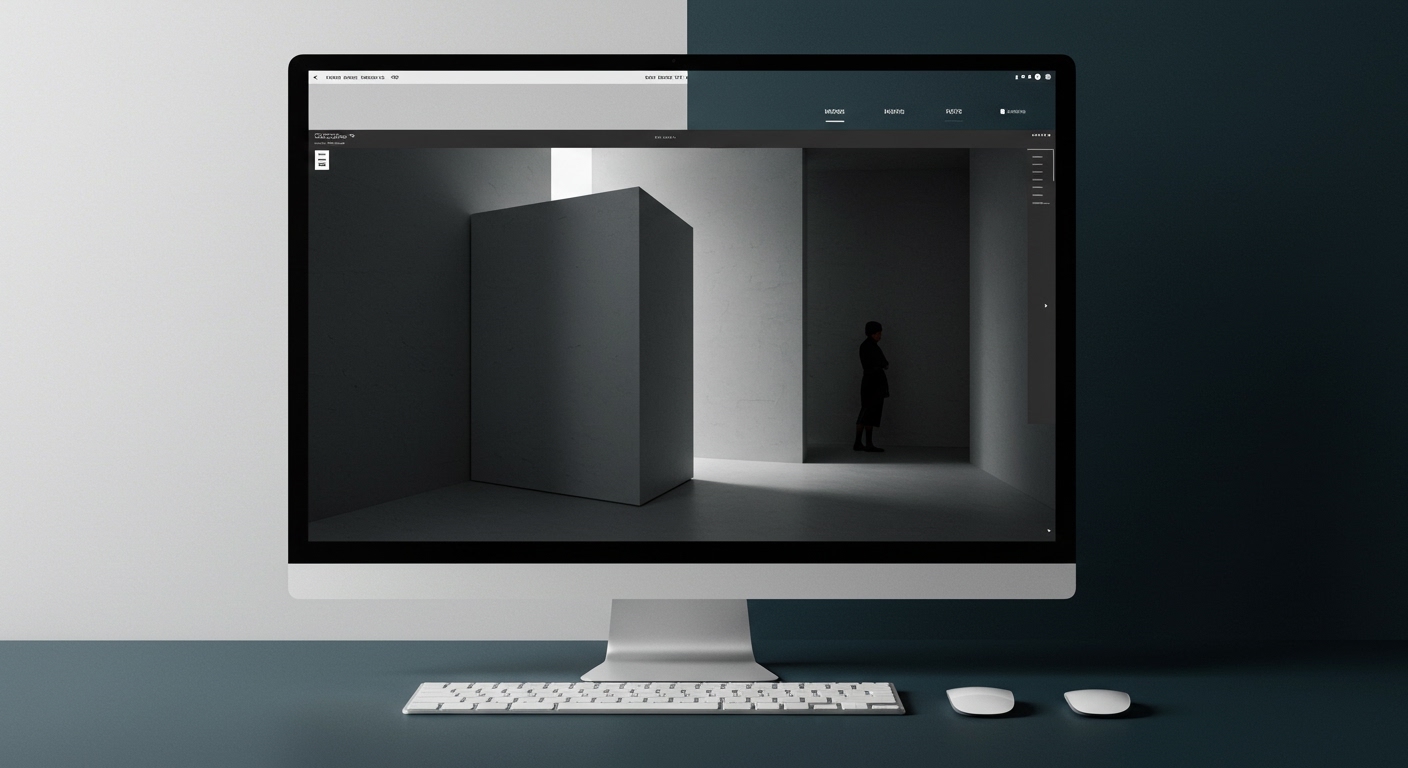
FLOT NOIR reimagined MERSI’s digital presence as a quiet, immersive space, blending architectural print with interactive web.
The articles signal a coalescing trend: the sophisticated integration of highly customized digital experiences with robust technical execution. This is not merely about using cutting-edge tools; it is about extending established design principles—foundational in print and interactive design—into dynamic web environments that handle complex visuals, motion, and 3D, often through platforms like Webflow. The commonality lies in the deliberate, almost architectural approach to web presence, where interactive elements serve specific narrative or functional roles rather than existing as standalone features.

Consider the work behind Cerebrium, which transformed complex AI infrastructure into an intuitive interactive experience through 3D and WebGL. Mainstream industry discourse often highlights such projects as triumphs of visual innovation, celebrating the sheer technical feat of rendering intricate 3D environments in a browser. This perspective, however, overlooks a crucial aspect of genuine craft: the often-unseen labor of performance optimization that underpins a truly smooth, intuitive experience. The prevailing assumption is that if a heavy 3D scene renders, the job is done. This contradicts the reality that a visually striking experience, if burdened by excessive load times or sluggish interaction, ultimately fails in its primary purpose of intuitive engagement. Crafting a sophisticated experience demands a meticulous balance where visual impact does not become a tax on user attention or system resources.
The true challenge, as demonstrated by the engineering behind Ridgeline’s real-time 3D experience in Webflow, is not just building the 3D, but achieving cinematic quality while maintaining performance optimizations for a live web environment. The industry often defaults to assuming that rich 3D means heavy experiences are inevitable. This is a limited view. The craft lies in reducing the footprint without sacrificing fidelity, a distinction many project briefs neglect. By mid-2028, leading design and development agencies will adopt internal performance budgets for all interactive and 3D elements, making them a non-negotiable part of the design specification process from conception, not merely an optimization phase after implementation. This shift will elevate performance from a technical afterthought to a core design constraint, shaping visual decisions and interaction patterns fundamentally.
This deliberate, performance-first approach faces resistance from several quarters. Rapid iteration demands in product development often deprioritize the extensive optimization required for truly lean, high-fidelity experiences. Furthermore, a reliance on increasingly abstracted frameworks and out-of-the-box solutions, while accelerating deployment, can obscure the underlying performance characteristics of a site, making bespoke optimization efforts appear complex or unnecessary to those managing project timelines and budgets. The ease of adding visually complex features without immediately confronting their technical cost fosters a culture where performance debt accumulates unaddressed.
A working web design professional should integrate WebPageTest into their weekly workflow, specifically analyzing the “First Contentful Paint” and “Total Blocking Time” metrics for their projects, both before and after major feature deployments. Beyond basic Lighthouse scores, WebPageTest offers granular waterfalls and filmstrips that reveal asset loading order, render-blocking scripts, and layout shifts, providing actionable insights for performance bottlenecks that visual inspection alone will miss. This move shifts focus from subjective visual evaluation to objective, data-driven optimization.
TL;DR
The pursuit of immersive web experiences requires meticulous, performance-driven craft beyond mere visual complexity.
Curated References
About this editorial — This piece was developed using AI-assisted research and curation across multiple industry sources. All analysis, opinions, and predictions represent the editorial perspective of JHDD. Sources are linked in the references section above.