
JHDD UI UX Report — 2026.07.29

Oleksii Hrzhehorzhevskyi’s exploration into AI assistants beyond the conventional text box signals a critical turning point for interaction design.
A subtle but pervasive pattern connecting recent conversations in design is the re-evaluation of established principles in light of escalating digital complexity and AI integration. The industry is quietly beginning to question long-held assumptions about efficiency, seamlessness, and even the fundamental purpose of digital interactions, pushing back against the inertia of “best practices” that may no longer serve increasingly nuanced user needs or technological realities.

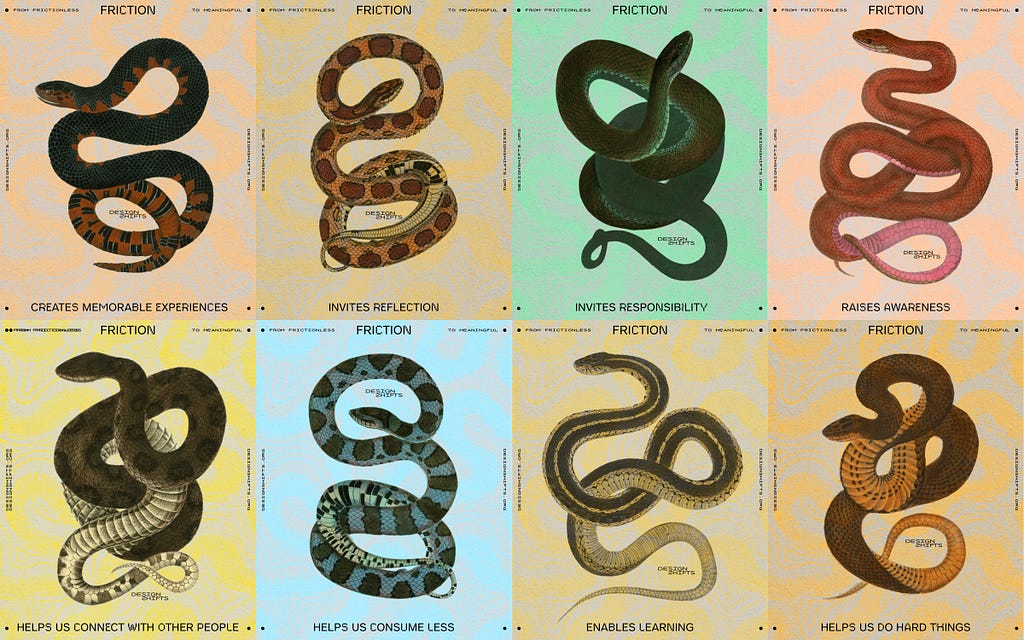
The prevailing industry opinion has long held that frictionless design represents the pinnacle of user experience. Products that “just work” are lauded, and any perceived impedance is immediately flagged for removal. However, this singular focus on the removal of all friction risks flattening the user experience, eliminating opportunities for deliberate engagement or a deeper sense of interaction. Wira Indra Kusuma’s observation about “Lonely at a lower latency,” where everything becomes faster and more certain, highlights this accelerating trend. While lower latency is technically desirable for responsiveness, its constant pursuit can inadvertently remove the small delays or deliberate steps that allow for reflection, conscious choice, or even the attribution of agency to an AI, as discussed in “The consciousness mirage in AI design.” Purposeful friction, such as a confirmation step for a significant action or a slower, more tactile interaction for a meaningful task, can enhance comprehension, reduce errors, and foster a more memorable experience. This view directly contradicts the mainstream push towards universal frictionless design. This re-evaluation will influence design system maturity; by mid-2027, leading design systems will include formal guidance on incorporating “meaningful friction patterns,” detailing contexts where deliberate impedance enhances usability or user understanding, complete with interaction specifications and accessibility considerations.
The primary force opposing this shift is the enduring organizational inertia and the historical under-prioritization of foundational work. The fifth article identifies information architecture as the “foundation AI is starving for,” explaining how decades of underfunding IA projects directly contribute to AI’s current challenges like hallucinations and poor retrieval. This struggle to align teams on naming conventions and content structure, often losing out to short-term feature shipping, prevents the establishment of a robust, logical scaffolding necessary for both advanced AI interactions and thoughtfully designed human interfaces. The challenge Patrick Neeman highlights regarding understanding AI training model usage in tools like Figma becomes significantly harder without this underlying IA clarity.
A working UI UX professional should initiate a focused information architecture audit within their immediate team’s product domain. Begin by mapping the existing content inventory and its organizational structure, specifically identifying inconsistencies in nomenclature or hierarchy that lead to confusion for users or inefficiency for AI processing. Present these findings to stakeholders, explicitly linking IA deficiencies to current AI performance issues (e.g., poor search results, irrelevant suggestions) or observed user pain points, advocating for dedicated time and resources to address these foundational gaps.
TL;DR
Designers must re-evaluate the role of friction and foundational information architecture in creating meaningful AI-era experiences.
Curated References


About this editorial — This piece was developed using AI-assisted research and curation across multiple industry sources. All analysis, opinions, and predictions represent the editorial perspective of JHDD. Sources are linked in the references section above.