JHDD Architecture Report — 2026.07.24
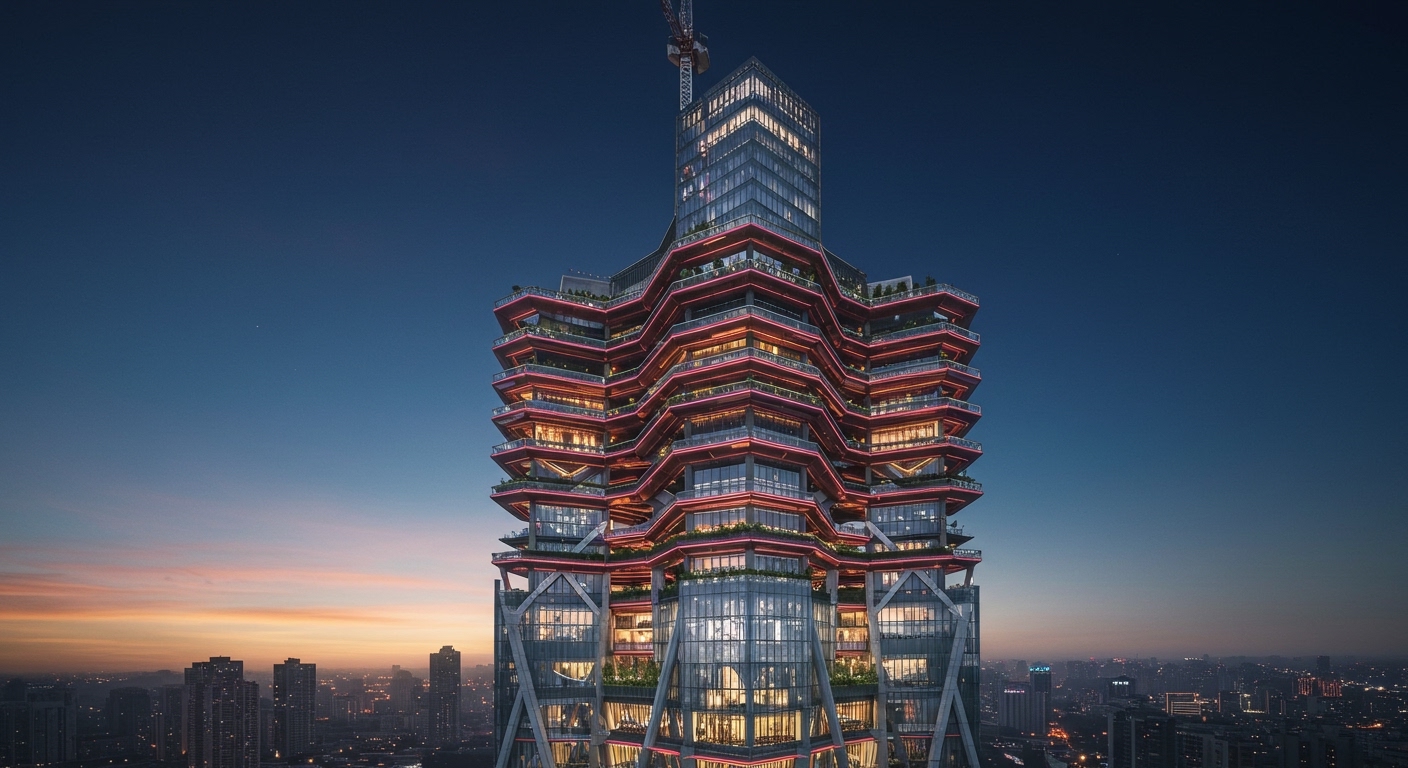
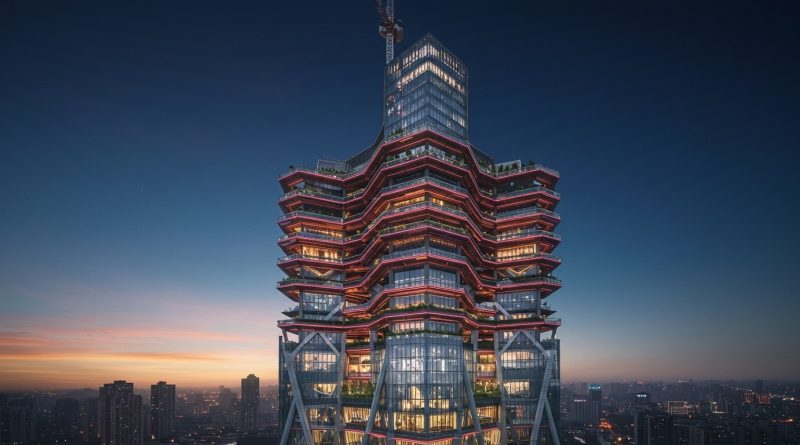
Atlassian Central skyscraper, designed by SHoP Architects and BVN Architecture, recently topped out as the world’s tallest hybrid timber tower at 180 meters.
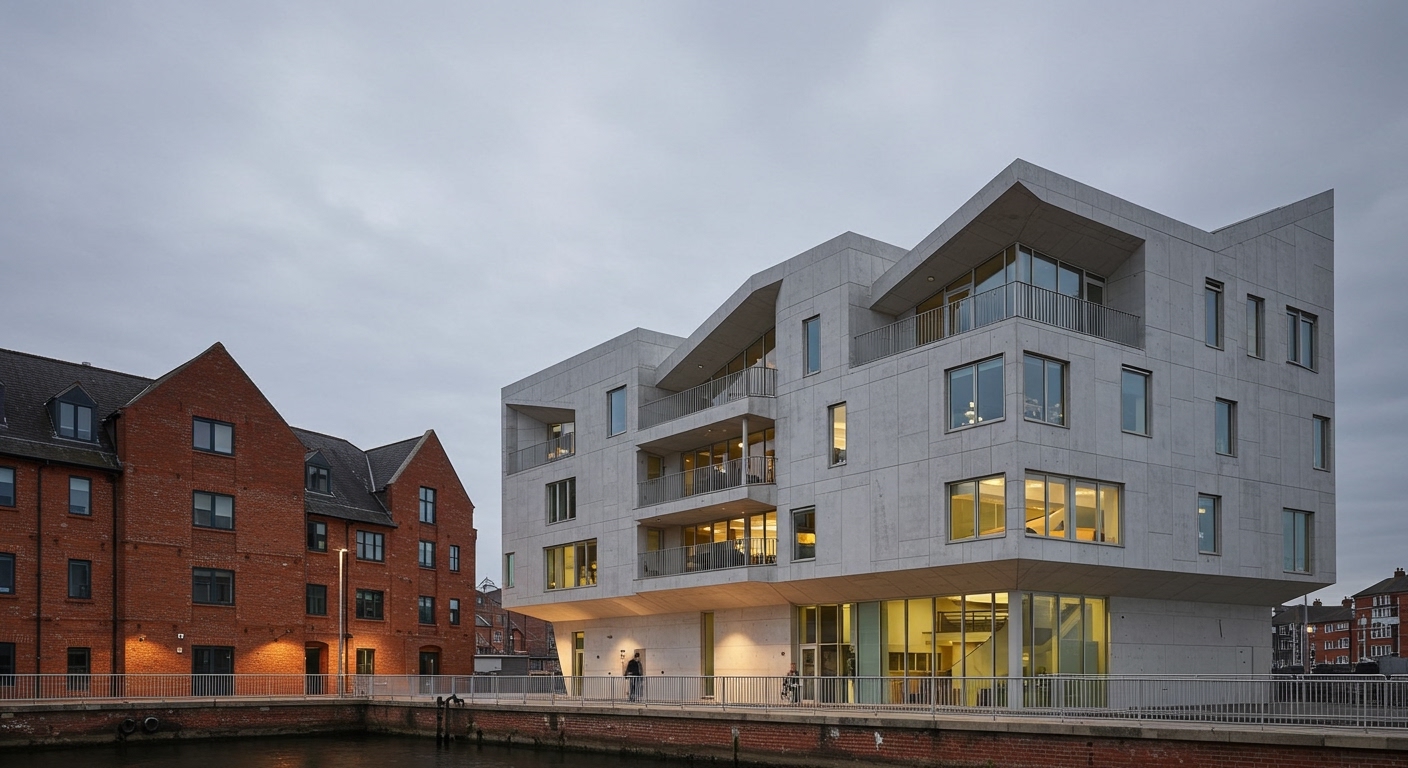
This achievement, alongside the University of Plymouth’s proposals for waterfront repair and craft hubs, and HYAN’s renovation of Green Sandwich House, reveals a shift towards leveraging existing material and urban fabrics. The emphasis is on enhancing inherent value rather than solely erecting new icons. The decision by GMP Architekten to renovate the Estadio Santiago Bernabéu for “full-time use” further underscores this re-evaluation of embedded resources.
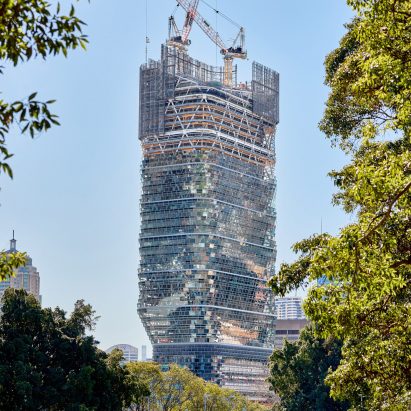
The towering Atlassian Central in Sydney, with its hybrid timber, steel, and concrete structure, is widely celebrated as a leap in sustainable high-rise construction. However, the pursuit of “tallest” in timber risks overshadowing a more critical material honesty. While timber undeniably offers a lower embodied carbon footprint than conventional concrete or steel, maximizing its height to 180 meters in a complex hybrid assembly can prioritize a visible “green credential” for marketing over a truly optimized and localized material strategy. This approach can often push structural systems to their limits, potentially involving a higher material volume or more complex fabrication processes than necessary for optimal performance and lifespan, thereby diluting the material’s inherent sustainable benefits.
A genuinely responsible approach to materials does not always equate to maximizing a single material’s scale for symbolic impact. Instead, it involves intelligent integration of local, recycled, and low-impact components tailored to a project’s specific lifespan and context. Mainstream industry often frames such record-breaking projects as the unequivocal vanguard of sustainable innovation, yet this view frequently overlooks the broader urban responsibility. For instance, the “full-time use” mandate for the Estadio Santiago Bernabéu, while superficially appearing efficient, can inadvertently drive continuous cycles of intensified redevelopment that place undue stress on urban infrastructure, local ecosystems, and resident communities. A truly sustainable stadium’s urban integration should prioritize a seamless, low-impact presence and adaptable programming over constant consumption and event-driven demands. This kind of critical perspective will gain traction. Within two years, architectural discourse will increasingly critique projects that claim sustainability through singular material choice or volumetric display alone, shifting focus towards holistic lifecycle economic models and genuine community integration as primary metrics for success.
The primary resistance to this integrated thinking stems from an entrenched development model that prioritizes speculative return on investment and rapid turnover. This financial paradigm often finds it simpler to quantify the immediate novelty of a “tallest timber tower” or the short-term revenue potential of a constantly active urban asset than to calculate the long-term, distributed benefits of nuanced material reuse or slow, adaptive urban interventions. The tragic inability of the Glasgow School of Art to rebuild the Mackintosh Building without significant external funding starkly exemplifies how financial constraints frequently dictate the fate of irreplaceable cultural and material heritage, leading towards demolition or prolonged neglect rather than thoughtful, responsible restoration.
Working architecture professionals should, in their earliest conceptual stages, perform a detailed “urban metabolism audit” for every project, regardless of scale. This involves not just embodied carbon calculations for new materials, but a comprehensive assessment of existing site resources – from structural capacity and local material flows to available human skills and authentic community needs – before proposing any new construction. For all renovation and intervention projects, this means advocating for extensive non-destructive material testing and valorization, actively seeking opportunities for material repair and reintegration, rather than defaulting to standard demolition and replacement protocols.
TL;DR
Architecture must move beyond symbolic material gestures to embrace holistic urban metabolism and the responsible reuse of existing resources.
Curated References




About this editorial — This piece was developed using AI-assisted research and curation across multiple industry sources. All analysis, opinions, and predictions represent the editorial perspective of JHDD. Sources are linked in the references section above.